Natural diamonds vs lab-grown diamonds is a comparison that shapes how many buyers approach a loose-stone purchase today. Midas operates squarely in the natural diamond market, offering certified stones directly to buyers rather than through a chain of intermediaries. The sections below look at how those natural stones are documented, graded, and shaped, and clarify where lab-grown material actually fits into that picture.
Understanding Natural Diamonds in the Midas Collection
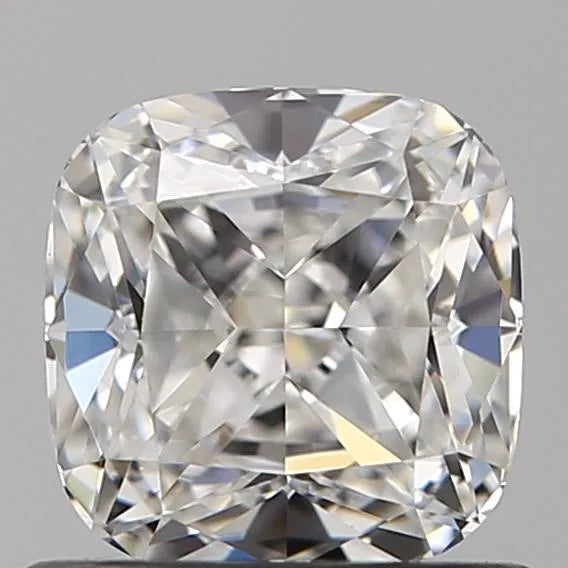
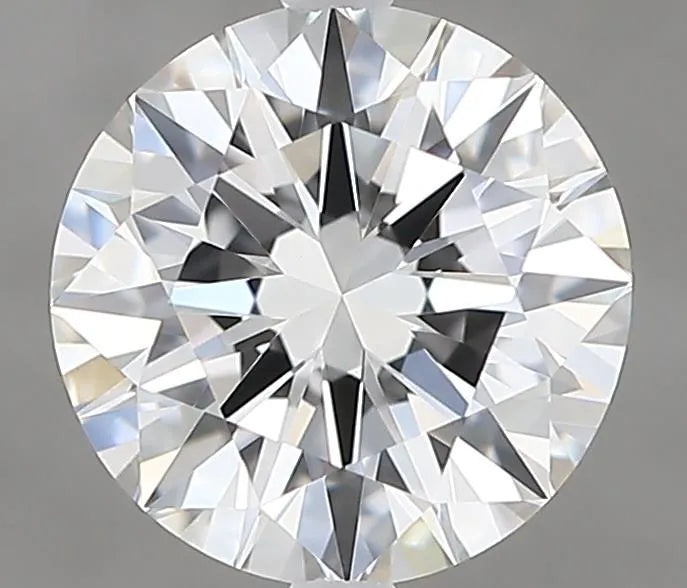
Midas sources loose, natural diamonds directly, describing its model as direct from the source with no middleman involved. The catalogue spans small accent stones around 0.04 carat up to larger center stones over one carat, each listed as an individual, numbered item rather than a generic batch. A 1.00ct Round stone in Colour G, Clarity VVS1, with Excellent cut, polish, and symmetry sits alongside a 1.03ct Cushion modified stone in Colour F, Clarity VVS1, each carrying its own measurements and certificate number.
Fancy color material also appears in the range, including a 0.38ct Oval stone described as Fancy Dark Green with Clarity VS2. Every natural stone listing includes polish, symmetry, fluorescence, table percentage, and depth percentage, giving a fuller picture than carat and color alone. That level of detail supports the brand’s own framing of its stock as traceable rather than anonymous.
Lab-Grown Diamonds in the Wider Diamond Market
When buyers weigh natural diamonds vs lab-grown diamonds, they are usually comparing two different origins of carbon crystal that are graded on a similar scale of color, clarity, cut, and carat weight. Lab-grown stones are produced under controlled conditions rather than formed underground over long periods, which is the core distinction most buyers look for. Midas‘s published inventory, however, consists entirely of natural diamonds certified by third-party labs, with no lab-grown stones listed among its current stock.
That matters for anyone searching specifically for a natural-versus-lab comparison on this brand, because the comparison itself is a category-level one rather than a choice offered within Midas. A buyer deciding between the two origins elsewhere in the market will still find the same grading vocabulary, color letters, clarity tiers, and cut ratings, applied in both cases. For Midas specifically, that vocabulary is applied only to natural, mined stones.
Certification Standards: GIA, IGI, and HRD at Midas
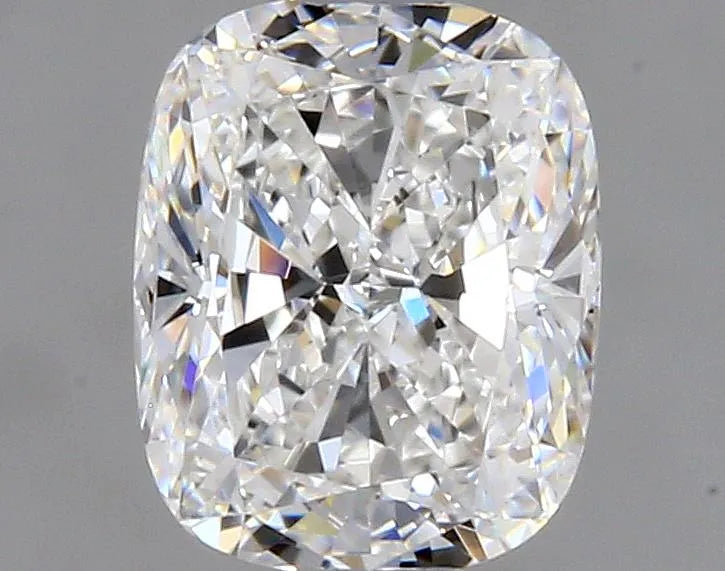
Midas states plainly that its diamonds are only certified by third parties, naming GIA, IGI, and HRD as the recognized labs behind its stock. In the listings reviewed, IGI certification appears frequently on smaller round stones, such as a 0.04ct Round diamond in Colour E, Clarity VVS1, with an Excellent cut. GIA certification shows up on larger or fancier shapes, including the 1.03ct Cushion modified stone in Colour F and the 0.77ct Cushion brilliant stone in Colour F, Clarity VVS1.
Each listing links to a certificate PDF with a unique certificate number, letting a buyer cross-check the physical stone against its paper trail. This pairs loose-stone sales with visibly named grading authorities instead of a vague quality label. For anyone weighing natural diamonds vs lab-grown pieces across the broader market, this kind of named, numbered paperwork is what turns a description into a verifiable claim.
Diamond Grading Factors: Color, Clarity, Cut, and Carat Weight
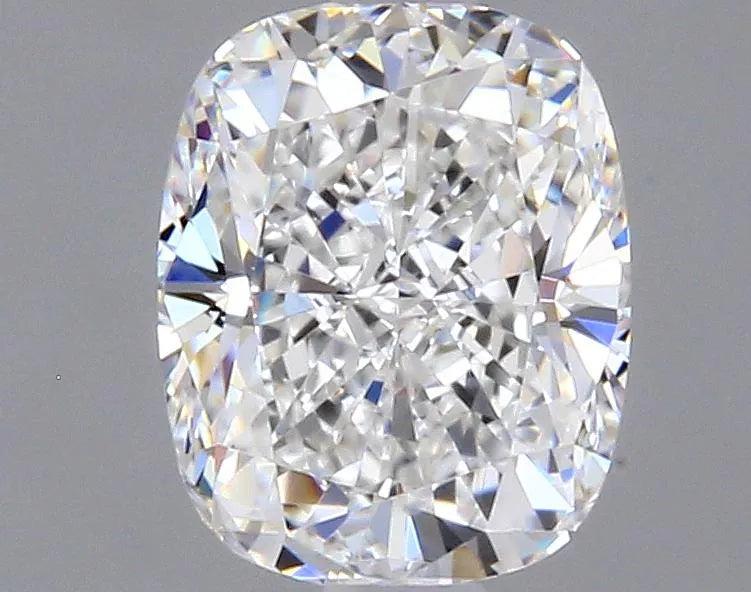
The four grading pillars show up consistently across the catalogue. Color grades run from colorless letters like D and E down toward warmer letters such as J, as seen in a 1.52ct Heart stone graded Colour J, Clarity VVS2. Clarity grades span the scale too, from IF and VVS1 down to VS2, with a 0.28ct Pear stone in Colour F, Clarity VS2, Cut Very Good, illustrating the lower end of that spread within current stock.
Cut grading is recorded separately from polish and symmetry, and several listings show how those three can diverge on a single stone. The 0.20ct Princess stone in Colour D, Clarity VS1, carries a Very Good cut alongside Very Good polish and only Good symmetry, so the three scores are not interchangeable. Carat weight ranges from fractional stones near 0.04ct up through pieces over 1.5ct, so the grading data scales with the size of the stone being examined.
Shape and Cut Variations Across Midas Inventory
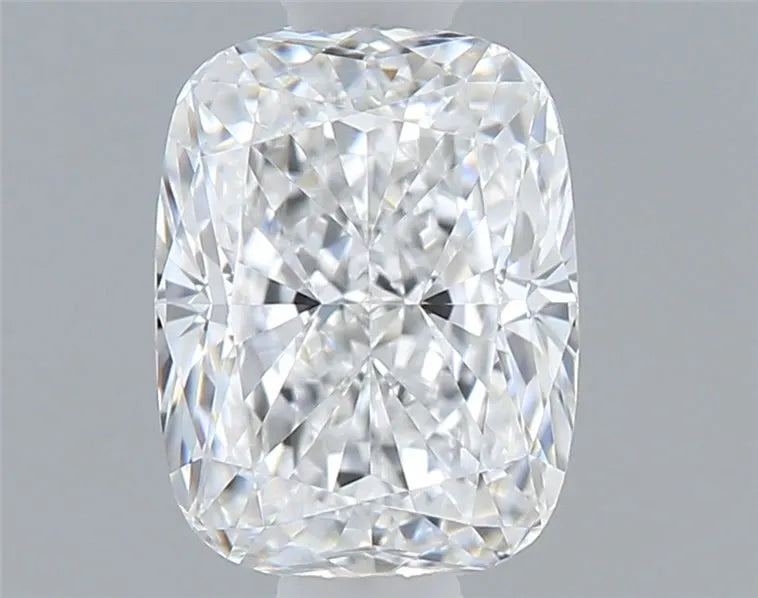
Round brilliant shapes dominate the smaller end of the range, but Midas also lists Princess, Pear, Oval, Cushion, Cushion modified, Cushion brilliant, and Heart shapes. Each shape listing includes its own length-to-width ratio, table percentage, and depth percentage, which shift from stone to stone even within the same shape category. A Pear-shaped stone at 0.28 carat, for instance, shows an L/W ratio of 1.66 on one listing and 1.76 on a nearly identical neighboring listing.
That variation matters because two stones of the same shape and carat weight can still measure differently once table and depth are factored in. The product data exposes those figures directly instead of summarizing them into a single quality label. As a result, a shopper comparing shapes can see exactly how proportions differ, stone by stone, rather than relying on a shape name alone.
Investment Potential and Transparency in Diamond Selection
Midas describes its diamonds as easy to transport and presents them as a long-term holding rather than a purely decorative purchase. The brand also offers personal advice aimed at helping a buyer select a diamond, alongside a stated goal of making diamond trading more transparent. That transparency claim rests on the same certificate numbers and grading fields documented throughout the listings, with offices noted in Antwerp, Marbella, and the Netherlands.
Framed against the broader natural diamonds vs lab-grown question, the stock reviewed here sits entirely on the natural side of that line. Every listed stone is tied back to a named lab and a specific certificate number, rather than a general assurance of quality. That structure is what lets grading data, not marketing language, carry the comparison.
- GIA certification appears on several larger or fancy-shape natural stones in the catalogue, including Cushion and Oval shapes.
- IGI certification covers a large share of the smaller round and princess-cut stones listed on the site.
- Color grades across the inventory span from D at the colorless end down to J, with fancy color stones graded separately by intensity.
- Clarity ratings range from Internally Flawless down to VS2 among the listings reviewed.
- Cut quality is recorded alongside separate polish and symmetry scores, so a stone’s overall finish is never reduced to one single grade.
Natural stones, not lab-grown ones, remain the actual subject behind every certificate number in this catalogue. That focus is likely to stay the clearest way to judge what is really on offer.