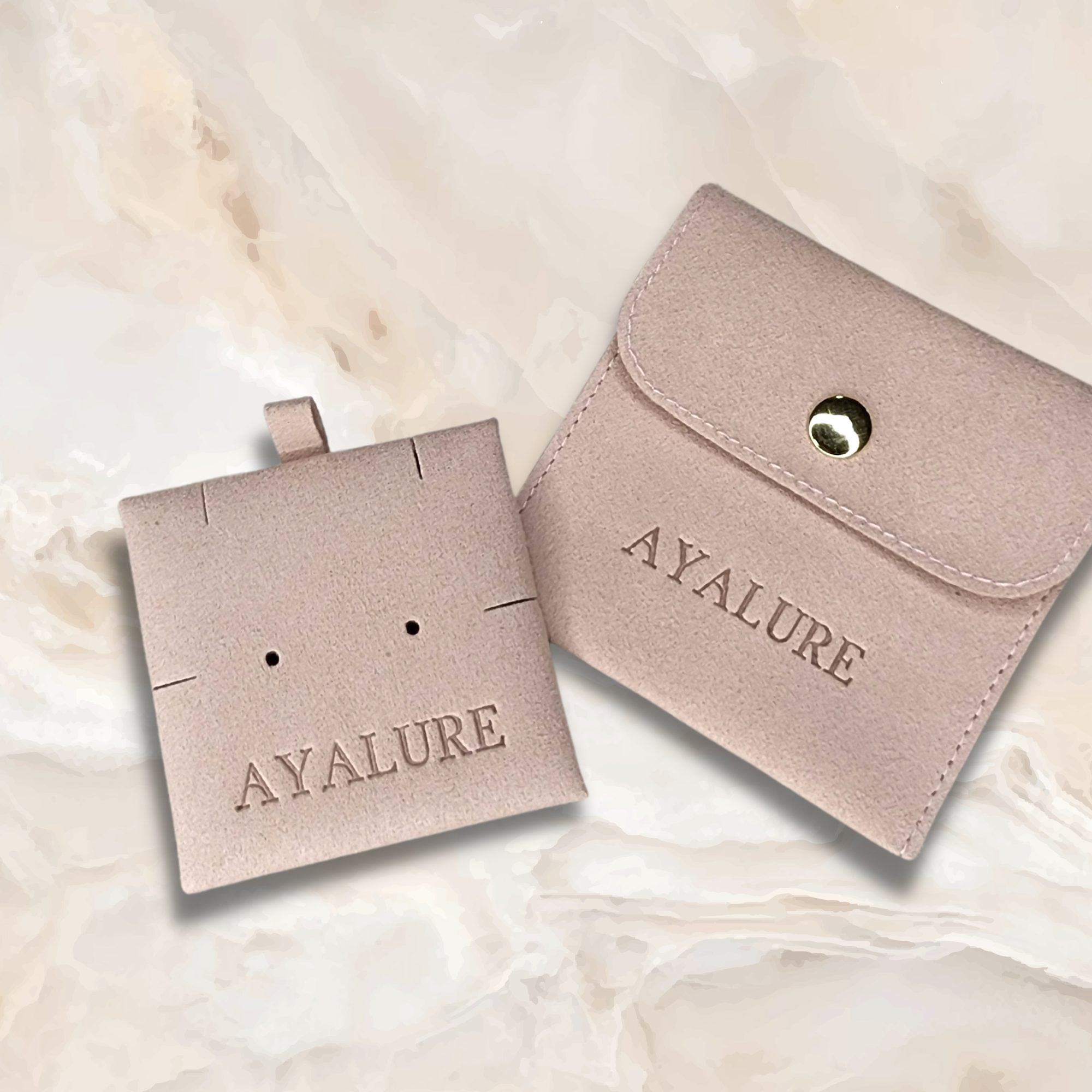
Waterproof gold-plated jewelry has a reputation for being nearly indestructible, which is exactly why small mistakes slip through unnoticed. A label that promises survival through the shower, the pool, or the sea does not mean the piece never needs a little attention, and that gap is where most waterproof gold-plated jewelry care advice actually lives. Misconceptions about durability tend to shorten the life of a coating faster than ordinary daily wear ever would. The following sections look at where those assumptions break down and what actually protects the surface.
Why Waterproof Does Not Mean Maintenance-Free
A waterproof claim describes resistance to moisture, not immunity to every substance that touches skin. Chlorine, saltwater, and sweat are different chemical environments, and a coating rated for one is not automatically rated for constant exposure to all three. Treating a gold-plated piece as something that never needs attention is where most surface damage starts. Ayalure markets its rings, necklaces, and earrings as waterproof and hypoallergenic, but that description covers the shower and the sea, not an unlimited list of household chemicals.
The confusion often comes from conflating waterproof with scratch-proof or chemical-proof. A piece can shrug off water and still pick up fine abrasion from a rough towel or a cluttered jewelry box. That distinction matters more than it sounds, because it changes how a piece gets handled from one day to the next.
PVD Coating and What Actually Protects Gold-Plated Jewelry
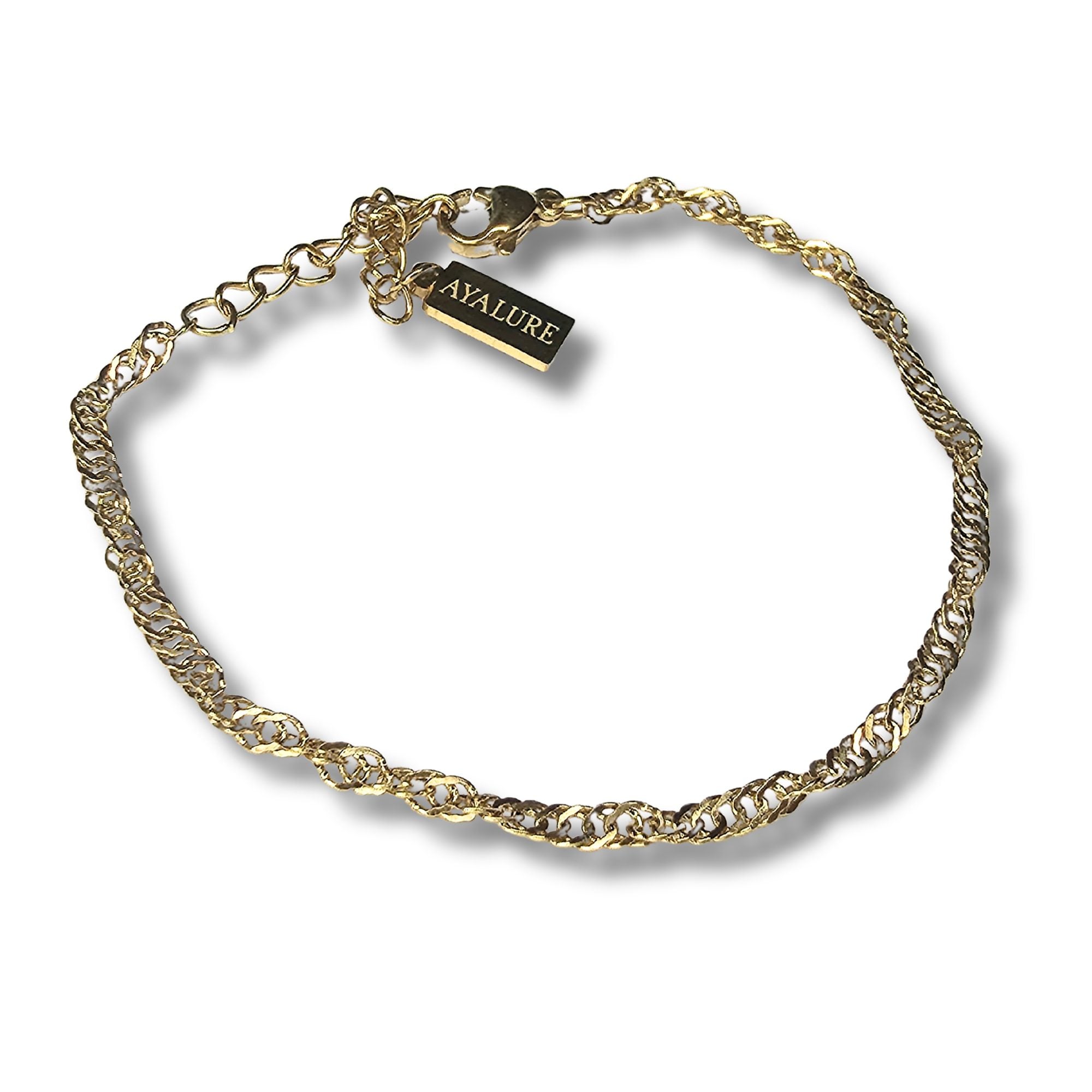
Every Ayalure ring, necklace, bracelet, and earring starts as stainless steel, with 18 karat gold bonded to that base by PVD at 1.8 to 2 microns, a method that applies across the full stacking-band, signet, and statement-piece range. That bonding process sits closer to the metal than older plating methods, which is part of why these pieces do not need to come off before a shower, a pool, or the sea. The construction stays consistent whether the piece is a slim solitaire or a wide statement ring.
Still, a coating measured in microns is thin by definition, no matter how it was applied. Grinding it against a hard surface, repeatedly folding a chain into a tight knot, or storing pieces tangled together introduces friction the coating was not built to absorb. Understanding that the protection is a bonded layer, not a solid gold shell, reframes what counts as reasonable waterproof gold-plated jewelry care.
Perfume, Sunscreen, and Sweat: Real Threats to Gold-Plated Surfaces
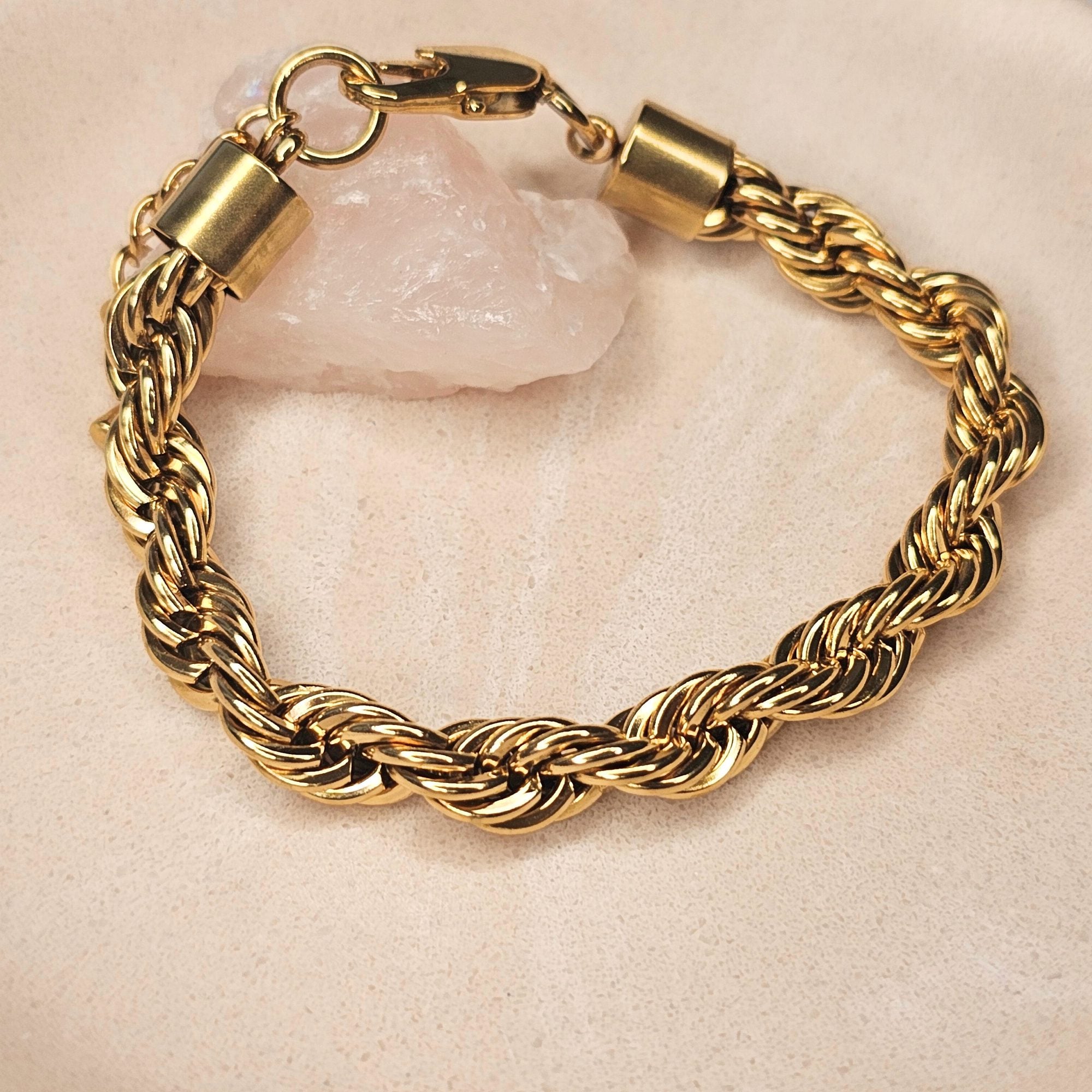
Necklaces take more punishment than almost anything else worn daily, according to Ayalure’s own description of its collection. Perfume, sunscreen, sweat, and the shower someone forgot to remove a piece for all reach the neck and collarbone repeatedly through a single day. None of these are water in the simple sense, and each carries its own mix of alcohol, oils, or salts that behave differently against a coated surface.
The brand points to its coating process as the reason these pieces hold up against that kind of daily contact without dulling or discoloring skin. That claim is specific to the bonding method described above, not a general property of all gold-plated jewelry. Pieces without a comparable process may react differently to the same combination of perfume and sunscreen, which is part of why waterproof gold-plated jewelry care varies so much by brand.
Necklaces and Bracelets Take Different Damage Than Rings
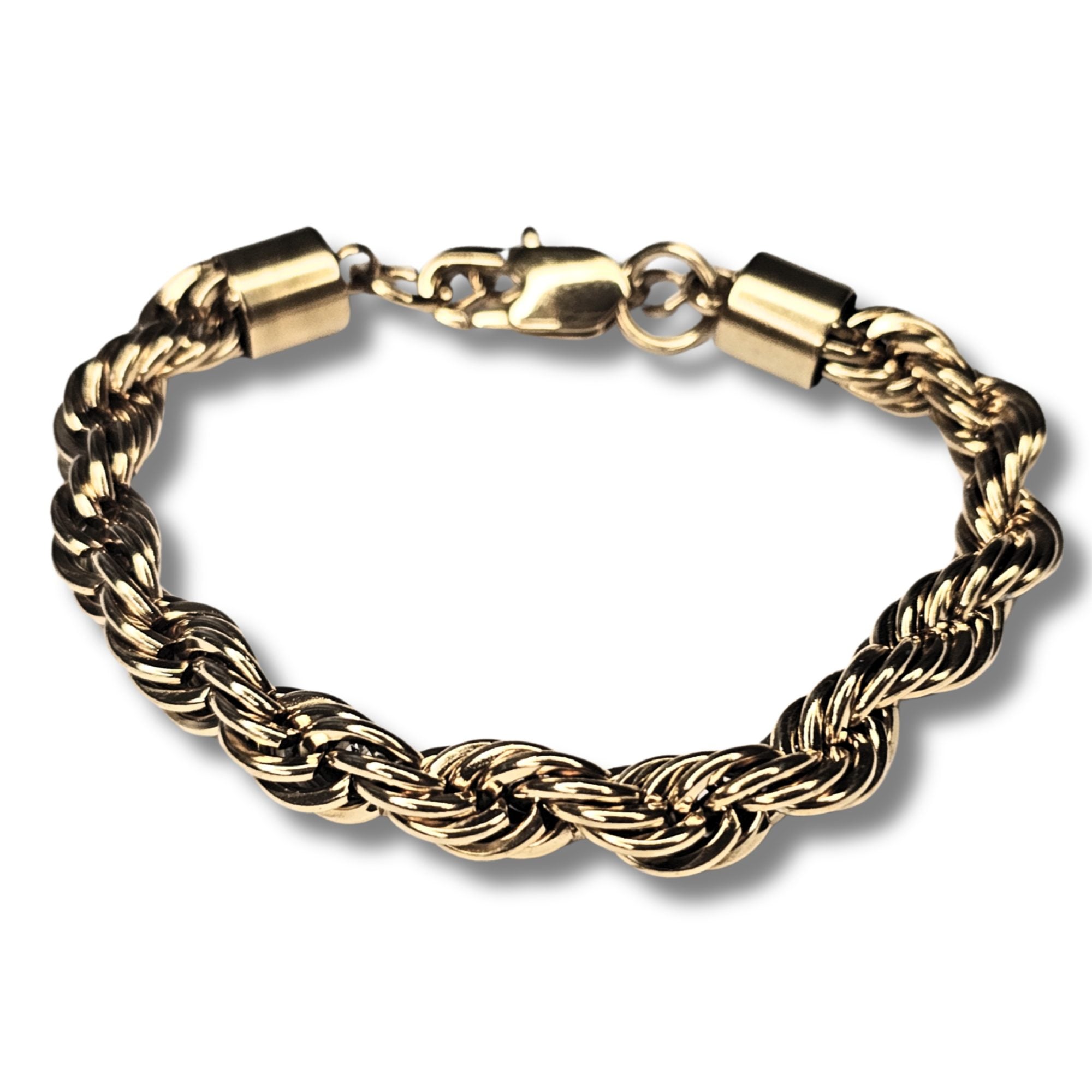
Rings sit against a single point of constant contact, flexing with knuckles and catching on fabric and surfaces throughout the day. Necklaces and bracelets, by contrast, move freely and brush against clothing, skin, and other jewelry, which creates a different pattern of wear. Ayalure builds several of its layered necklace designs onto a single clasp, so the chains sit at fixed lengths and do not tangle against each other.
That fixed-length construction reduces the friction that loose, tangling chains would otherwise create. Bracelets face a related issue, since they knock against desks, bags, and door handles far more than a ring does. Recognizing that rings, necklaces, and bracelets fail in different ways is part of realistic jewelry maintenance, rather than applying one blanket rule to an entire collection.
Stainless Steel Cores in Ayalure Pieces: Hypoallergenic but Still Needs Care
The earrings collection from Ayalure is described as nickel and lead free, which is what allows it to suit ears that react to most gold jewelry. That hypoallergenic quality addresses skin sensitivity, not the coating’s resistance to scratching or impact, and the two claims should not be read as one.
A piece can sit comfortably on sensitive skin while still needing the same basic handling as any coated item, such as avoiding direct contact with abrasive surfaces. Ring sizes run through 6, 7, and 8, and earrings range from huggies small enough to sleep in through to larger hoops. Fit and finish vary across the range even though the base metal and coating process stay the same throughout.
- Soaking a gold-plated piece in cleaning solutions meant for solid gold can wear down a PVD coating faster than normal wear.
- Storing chains and rings tangled together in one box creates friction that scratches the surface over time.
- Applying perfume or sunscreen directly onto a piece, rather than letting it dry on skin first, concentrates chemical contact on the coating.
- Using an abrasive cloth to polish gold-plated jewelry can thin the coating instead of simply cleaning it.
- Assuming a waterproof label means a piece can withstand high-friction activity, like a gym workout, without consequence.
- Ignoring a retailer’s stated return window matters, since trying a piece briefly and documenting any issue early is the only way for that policy to work as intended.
The 30-Day Return Policy and What It Reveals About Product Quality
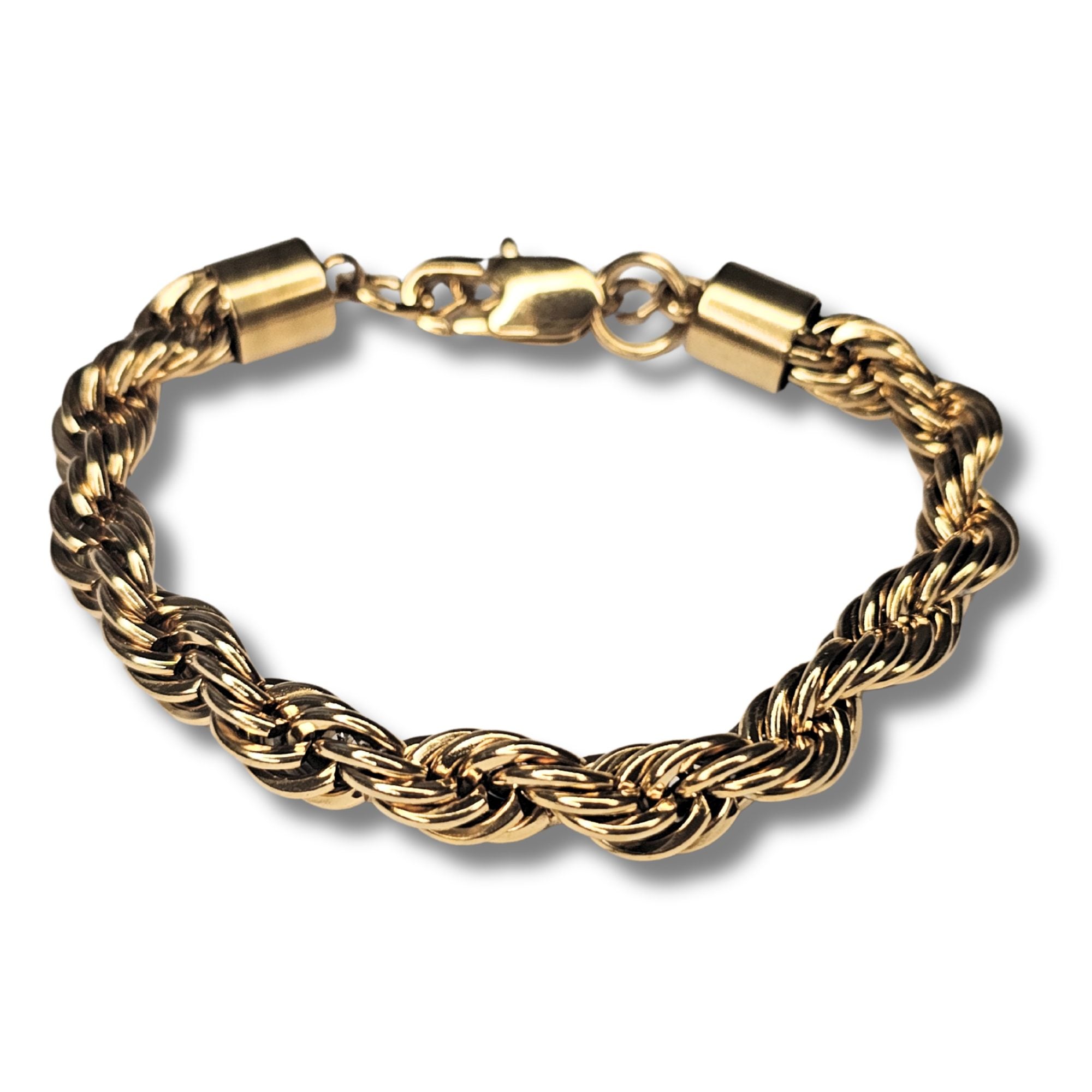
Ayalure lists a 30 day return policy alongside its waterproof and hypoallergenic claims on its own site. A defined return window of that length gives a buyer a concrete period to judge how a piece holds up against daily contact with skin, water, and fabric. It also signals a willingness to stand behind the coating process described for the full range of rings, necklaces, bracelets, and earrings.
That policy does not replace sensible handling, but it does offer a practical checkpoint. Thirty days is enough time to notice if a specific piece reacts poorly to a particular routine, whether that is frequent swimming, heavy sunscreen use, or constant layering of necklaces. Reading the return terms alongside the care expectations gives a fuller picture of what is actually being promised about waterproof gold-plated jewelry care.
Treating a coated surface with a little ordinary care, rather than none at all, is what keeps waterproof gold-plated jewelry looking the way it did on day one.