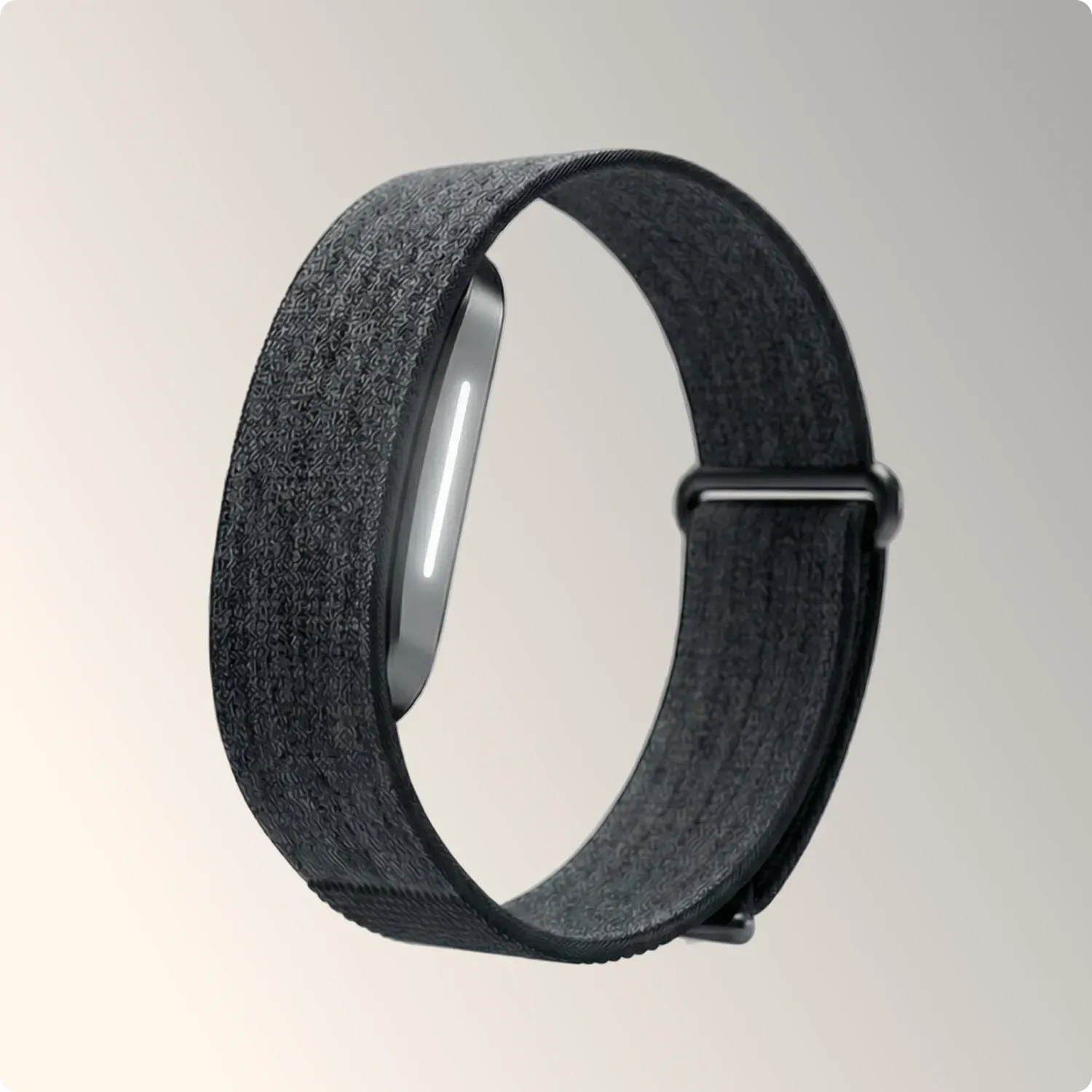
Choosing a metabolic health wearable often comes down to how a brand structures its hardware lineup, and this Hume wearable health tracker comparison looks closely at two current lines from Hume Health. The Band 2.0 and the Band Bogo models sit at the center of the catalogue, each built around a different approach to getting a device onto a wrist. Strap options, unit count, and long-term coverage all shift from one line to the other, which is exactly what this comparison sets out to unpack.
What Hume Health Wearables Do: Core Functionality Across the Range
Hume Health builds in-home health devices paired with a companion app meant to turn sensor readings into something usable day to day. The stated goal across the range is to unlock and understand the body’s own data rather than simply display a number on a screen. The site lists free shipping alongside the free companion app as part of its current offering, though that detail is tied to how the brand presents its listings rather than a guarantee attached to every single order.
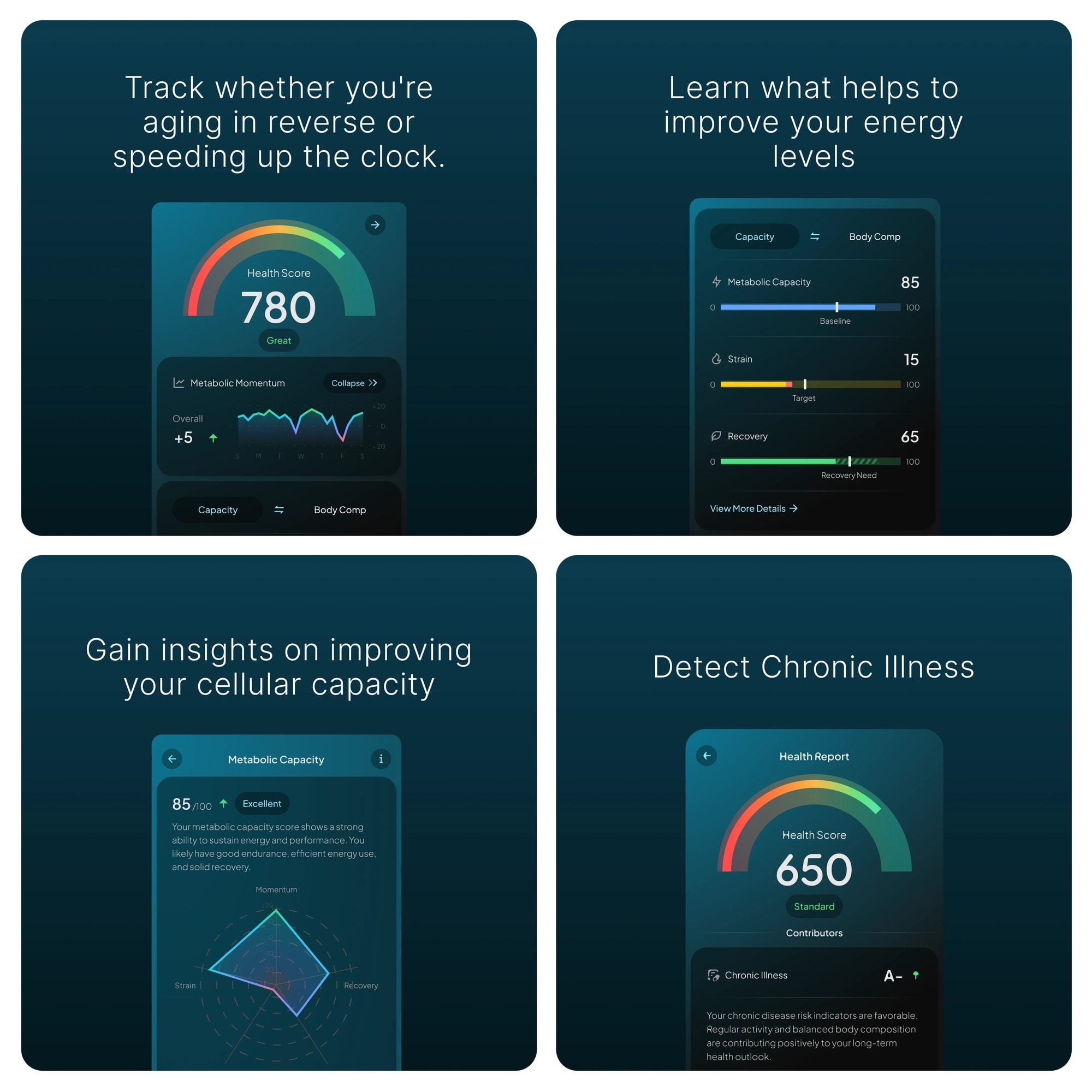
Both device families center on metabolic health tracking rather than general fitness metrics like step counts alone. That shared focus is part of what makes a Hume wearable health tracker comparison worth running in the first place, since the real differences show up in materials, strap compatibility, and how many devices arrive in a single order. The underlying health focus stays fixed even as the hardware choices diverge.
Band 2.0: Advanced Sensor Integration and CloudFit Strap Compatibility
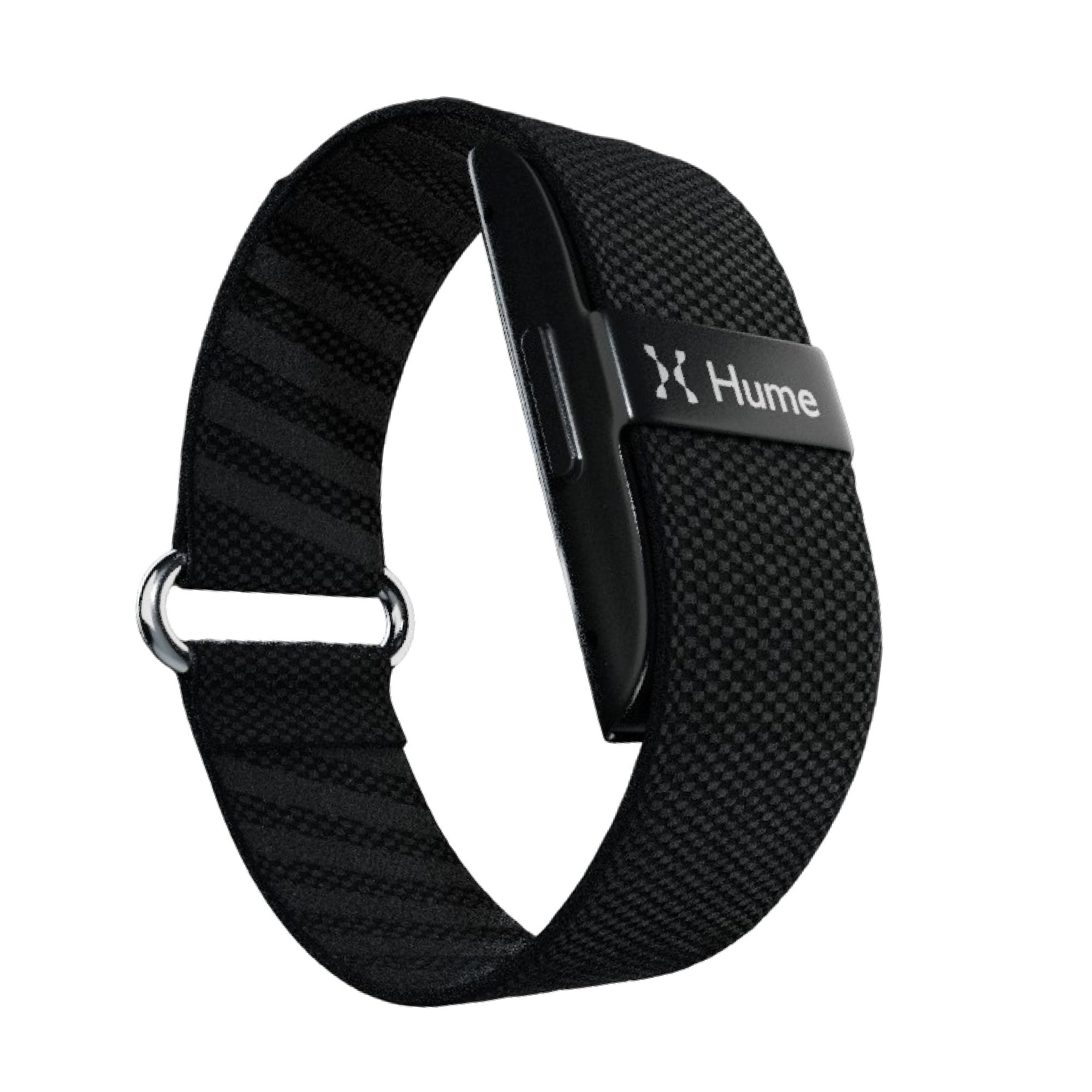
The Band 2.0 is built to work with the CloudFit strap, which is sold separately as an accessory. Also referred to as the HumeWeave woven band, this strap uses a soft, breathable woven fabric closed with a hook-and-loop fastener. It is made specifically for the Band 2.0, with precision cutouts positioned so the sensors stay unobstructed during training, work, travel, or sleep.
Rather than being locked to one fixed band, Band 2.0 owners have a woven strap option suited to daily wear across different settings, and the accessories listing shows multiple CloudFit strap entries. That repeated listing points to the strap being a recurring accessory purchase rather than a one-time bundled part. This strap-level flexibility is a defining feature of the Band 2.0 within the broader lineup.
Band Bogo Models: Accessibility and Multi-Device Options
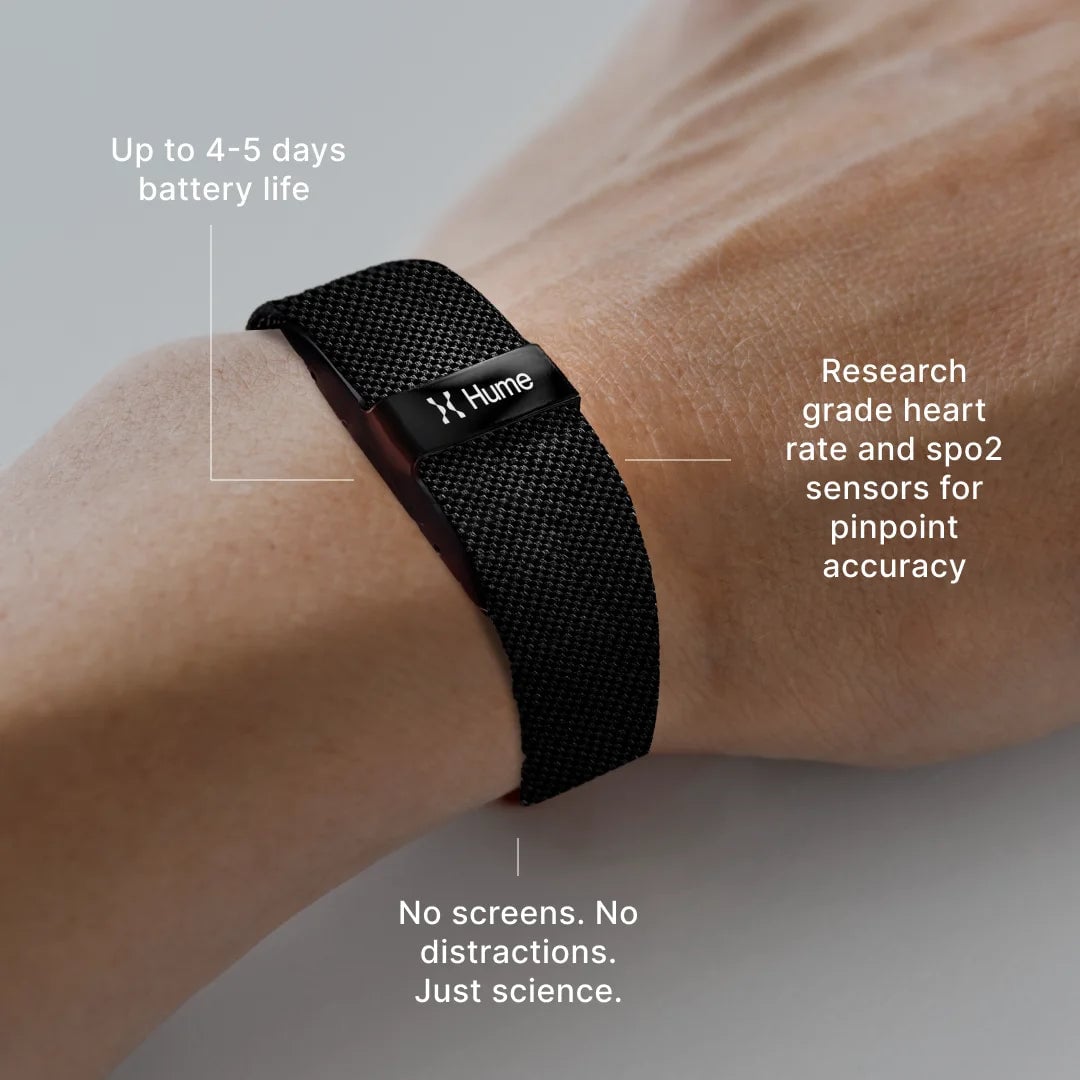
The Band Bogo line includes at least two distinct listings, the Band Bogo and the Band Bogo 2, both categorized as hardware devices on the Hume Health site. The naming points toward a buy-one-get-one structure, suggesting that this line is built around acquiring more than a single unit, unlike the single-strap approach built around the Band 2.0.
Each Band Bogo listing has its own separate product page rather than being folded into one bundled entry. That means a household weighing more than one tracker can review each hardware listing on its own terms instead of assuming identical specifications across both. Updates made to the description of one unit do not automatically carry over to the other.
The 10-Year Warranty: Long-Term Protection for Hume Devices
Hume Health offers a 10-Year Warranty as an add-on available at checkout. Per the brand’s own description, the coverage extends to the device shell along with all the advanced sensors that power the health insights. If a hardware or sensing component fails, that protection applies across the full decade of coverage.
On-request servicing is built into the warranty as well. If accuracy drifts or a device needs recalibration, a service request is meant to keep the unit performing as intended for the length of the coverage period. That servicing detail ties the warranty directly to sensor reliability, not only to physical damage protection.
Sensor Accuracy and Calibration: Maintaining Reliable Health Insights
Reliable health insights depend on sensors that stay properly calibrated over time, and the warranty’s servicing option addresses that need directly. Precision is described as the foundation of the readings these devices produce, which is likely why recalibration sits inside the long-term coverage rather than being sold as a separate add-on. That detail matters for anyone running a Hume wearable health tracker comparison that weighs ongoing reliability rather than just launch-day specifications.
The brand also publishes accuracy report imagery on its site, pointing to some form of documented measurement performance for its devices. Because calibration support sits inside the 10-Year Warranty instead of being sold on its own, the warranty effectively becomes part of how long-term accuracy gets maintained. That connects the hardware, the warranty, and the app-based insights into one ongoing arrangement instead of three separate purchases.
Choosing Between Hume’s Wearable Options for Metabolic Health Tracking
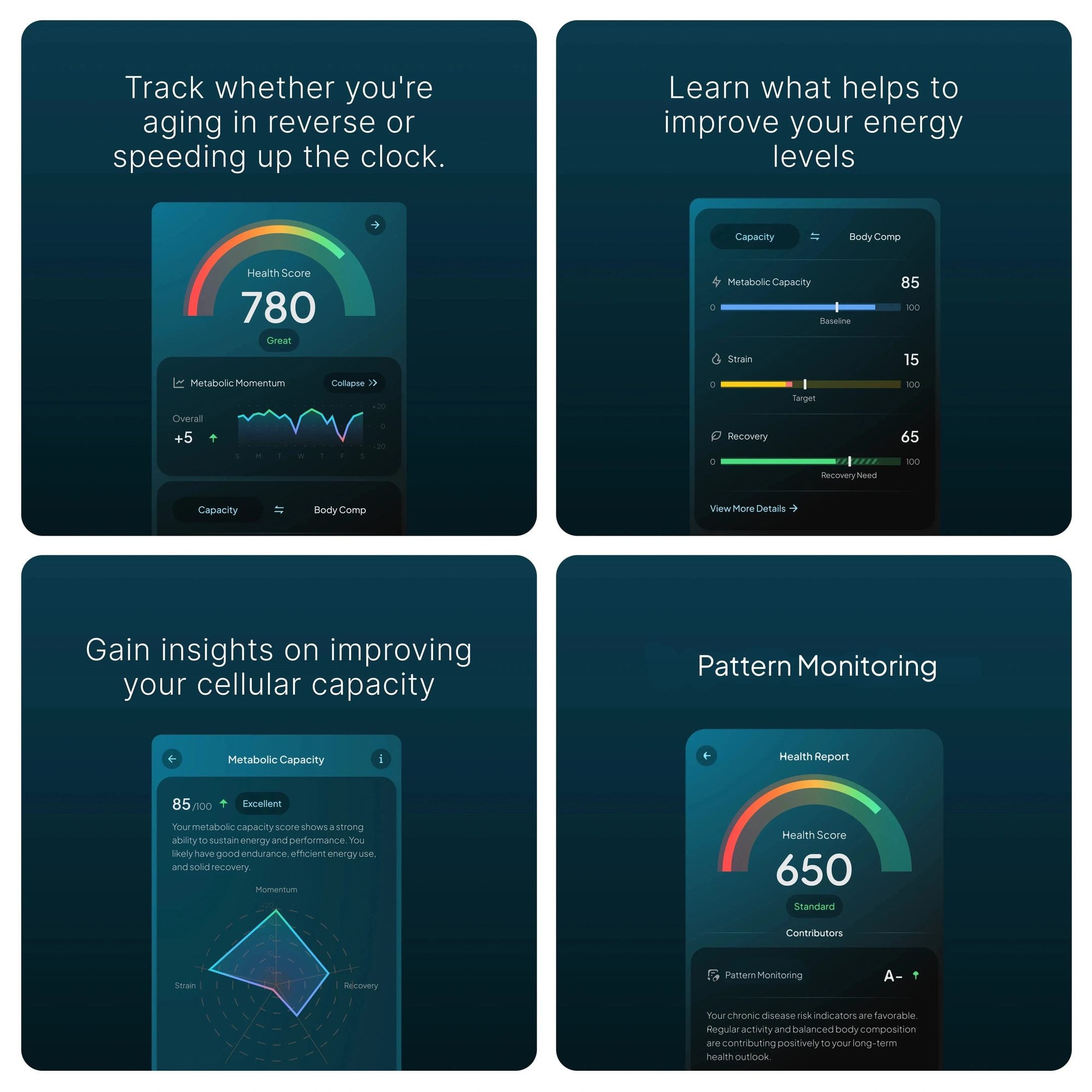
Deciding between the Band 2.0 and the Band Bogo models largely comes down to strap flexibility versus access to more than one device. The Band 2.0 pairs with the CloudFit strap for a tailored daily-wear setup, while the Band Bogo and Band Bogo 2 listings offer a path toward owning more than one tracker. Both paths stay anchored to the same app and the same metabolic health focus that defines the wider catalogue, which is central to any Hume wearable health tracker comparison.
- The Band 2.0 is compatible with the CloudFit woven strap, which uses breathable fabric and a hook-and-loop closure built around its sensor layout.
- The Band Bogo line includes two separate hardware listings, the Band Bogo and the Band Bogo 2, each sold as its own product.
- The 10-Year Warranty covers the full device shell and all advanced sensors for a decade, regardless of which band model it is attached to.
- On-request servicing under the warranty addresses accuracy drift and recalibration needs without a separate purchase.
- Free shipping and the free companion app are both listed as part of the current offering across the range.
A wearable health tracker comparison like this one ultimately turns on how many devices a household needs and how much strap customization matters day to day.