











AI headshot mistakes are more common than most professionals expect, and they often come from small, avoidable choices rather than the technology itself. Uploading the wrong kind of photos, picking too many styles, or posting a result in the wrong place can all undercut what should be a simple way to look polished online. Instant Headshots relies on source images and a clear process, so understanding where people go wrong makes a real difference to the final result.
Why Poor Lighting in Source Photos Ruins AI Headshot Results
Lighting is the single biggest variable in any photo-based generation process. Harsh shadows, dim rooms, or mixed light sources confuse the details a model needs to work from. Instant Headshots notes that good lighting works best during upload, which suggests the system depends heavily on clear, even exposure in the original images.
Photos taken in flat, natural light tend to preserve skin tone and facial structure more accurately than photos shot under colored indoor bulbs. A blurry or backlit selfie limits what any generator can reconstruct, no matter how advanced the tool is. This is one of the most frequent AI headshot mistakes, because it happens before the generation even starts.
Choosing Too Many Styles at Once Instead of Strategic Variety
Instant Headshots offers over 50 styles, ranging from business formal to more casual professional looks. That range is a strength, but selecting dozens of styles without a clear purpose often leads to a cluttered set of images that do not serve any single platform well. A more deliberate approach treats style choice as a decision tied to where the photo will actually appear.
Picking two or three styles that match specific goals, such as a corporate profile versus a creative portfolio, tends to produce a more coherent personal image. Spreading attention across too many variations at once is one of the quieter AI headshot mistakes, since it dilutes focus rather than adding value.
The Mistake of Using AI Headshots on Platforms Beyond LinkedIn and Professional Profiles
The service positions its results for LinkedIn, resumes, corporate profiles, and professional use by CEOs, teams, students, and doctors. That framing matters because a polished studio-style portrait does not automatically suit every platform. A highly formal headshot dropped into a casual social feed can feel mismatched with the tone of that space.
Professional portraits are built for contexts where credibility and consistency matter, such as hiring platforms, company directories, or resumes. Using the same formal image everywhere, regardless of audience or purpose, overlooks the reason the photo was created in the first place.
How Unrealistic Expectations About AI Transformations Lead to Disappointment
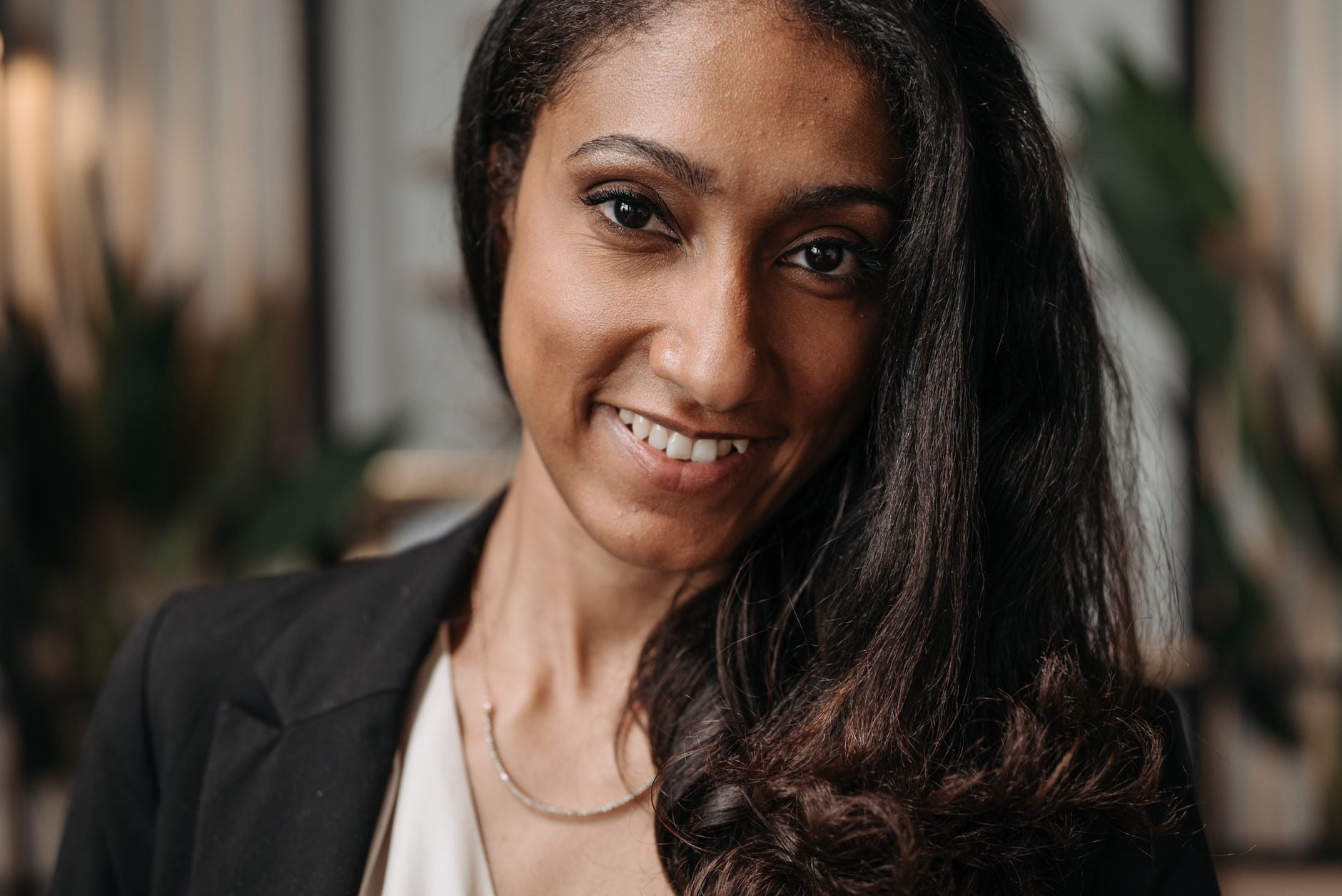
Some expect an AI headshot generator to produce a dramatically different appearance rather than a refined version of actual features. Instant Headshots describes its approach as making someone look like themselves, only sharper, not generic or filtered beyond recognition. Expecting a total transformation rather than a polished likeness sets up a mismatch between the tool and the goal.
Photos that look convincing tend to stay close to natural facial structure, expression, and proportion. When expectations drift too far from that, the final images can feel underwhelming even if the technical quality is high. This gap between expectation and output is one of the more common AI headshot mistakes among first-time users.
The Risk of Over-Editing or Filtering Before Upload to Instant Headshots
Heavily filtered or retouched source photos can work against the process rather than improve it. Filters that smooth skin, alter color balance, or distort proportions remove the natural detail that a headshot generator needs to build an accurate result. Instant Headshots is designed around real facial data, so starting with an already-altered photo can limit how authentic the final portrait looks.
A clean, unedited photo with accurate color and natural expression tends to produce more reliable results than one run through multiple editing apps beforehand. This is a smaller mistake than poor lighting, but it compounds the same underlying problem of giving the system less to work with.
- Many assume AI headshots look artificial by default, though Instant Headshots is built to produce natural, realistic portraits rather than obviously synthetic images.
- The upload step matters more than most expect, since clear, well-lit photos lead directly to stronger final results.
- Style selection works best when tied to a specific use, rather than treated as a chance to collect as many looks as possible.
- Professional platforms such as LinkedIn, resumes, and corporate profiles remain the placements where a studio-style AI headshot performs as intended.
- Casual or purely personal social platforms often call for a different tone of photo than a formal professional portrait.
Making AI Headshots Actually Stand Out: What Works
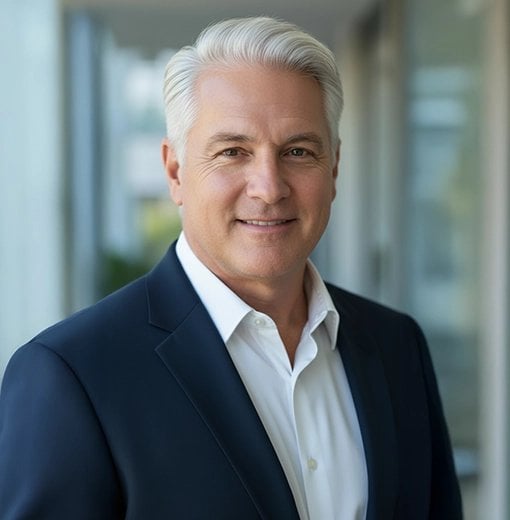
Avoiding the mistakes above comes down to treating the process with the same care as a traditional photo session, even though it happens in minutes rather than days. The platform asks for a batch of ten to twelve photos, and feeding it clear, well-lit, unedited images gives the system the most accurate material to work from. Selecting a small, purposeful set of styles from its full range, instead of grabbing everything on offer, tends to produce a sharper final collection.
Matching the resulting portrait to the right platform, whether that is a resume, a corporate team page, or a LinkedIn profile, keeps the image doing the job it was created for. Instant Headshots has built its offering around studio-quality results delivered quickly, but the quality of what goes in still shapes the quality of what comes out. Recognizing these patterns turns a list of AI headshot mistakes into a practical checklist rather than a warning label.
Small adjustments at the start of the process tend to matter more than any setting chosen later. A more thoughtful upload and a clearer sense of purpose usually produce the portrait actually intended.
