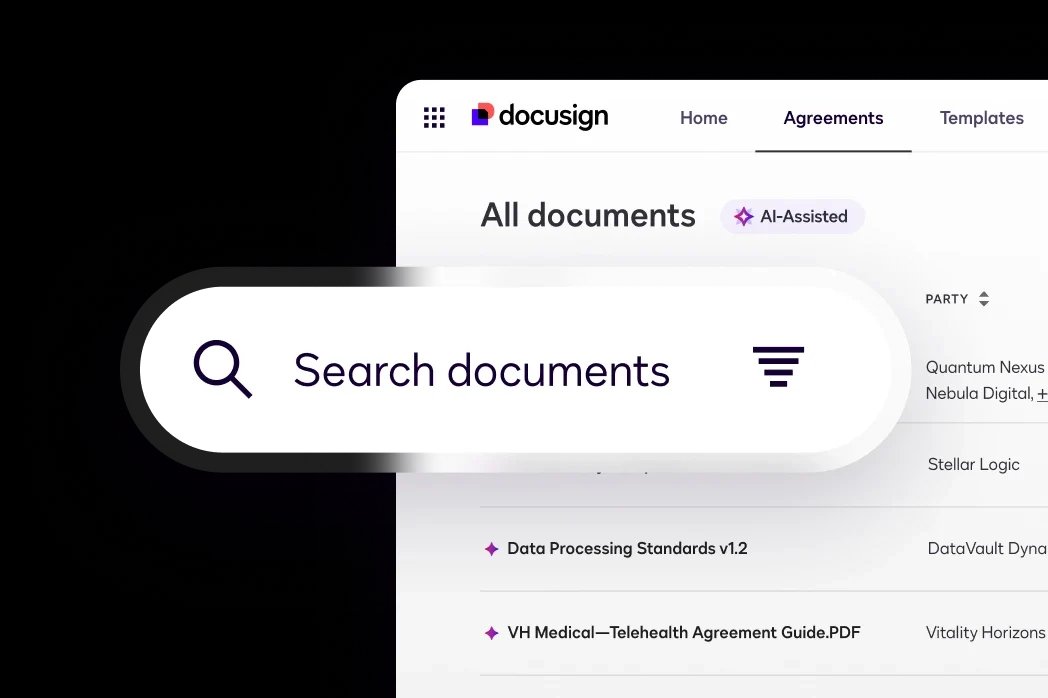
Paper contracts still haunt many enterprise workflows, with printed pages, courier deliveries, and filing cabinets slowing down approvals. Electronic signature and agreement management replaces that friction with a digital path that carries a document from drafting through signing into long-term storage, while also opening it up to tracking and analysis along the way. docusign positions itself in this category as a single place where organizations create, sign, and manage agreements end to end.
From Paper Trails to a Single Agreement Workflow
At the core, these platforms let people sign documents online instead of printing, scanning, or mailing them. But the category has grown well beyond a simple signature box, now covering drafting, routing, tracking, storage, and analysis of contracts across a business, so a signed file is no longer the end of the process.
Docusign describes its offering as a way to find, analyze, and act on agreements using artificial intelligence, turning signed paperwork into data that can be searched and reused. That shift matters because contracts often sit unread once they are filed away. A platform built around agreement management treats each signed document as a source of information, not just a record.
Docusign IAM: Core Components and Feature Set
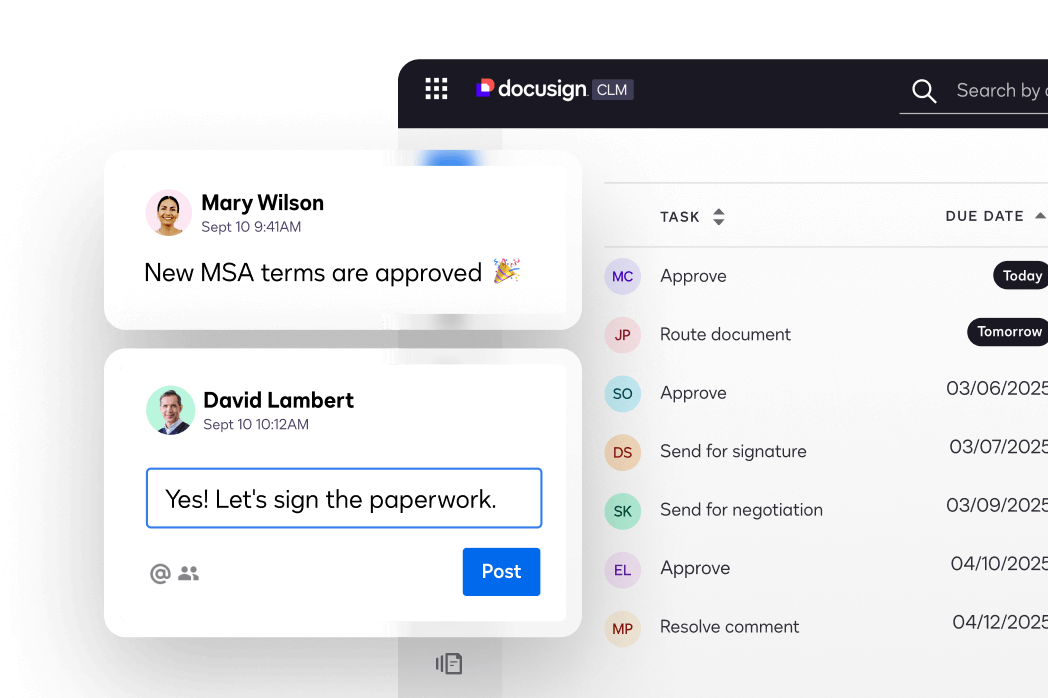
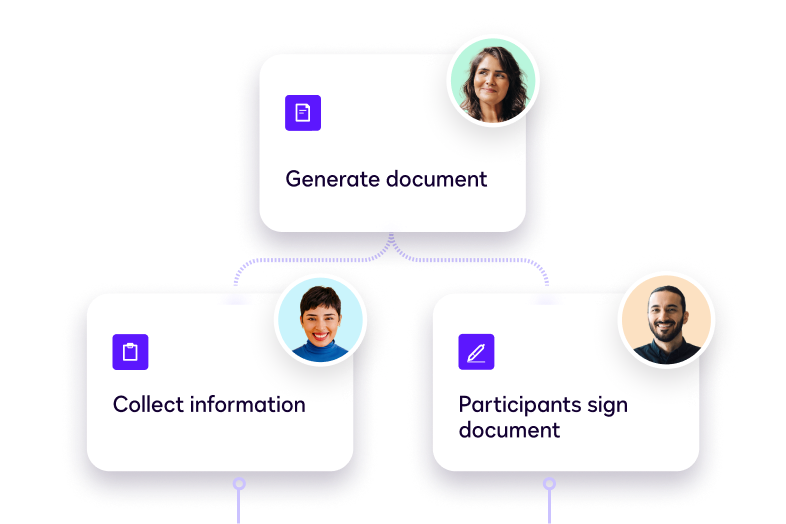
docusign‘s Intelligent Agreement Management, or IAM, platform is built around three stages that it labels create, commit, and manage. The create stage covers preparing documents for signature using tools already familiar to a team. The commit stage covers verifying signer identity and collecting signatures, while the manage stage covers central analysis and storage of completed agreements.
According to the brand’s own materials, docusign IAM connects with more than 1,000 integrations, which lets workflows plug into tools organizations already use. The platform is described as a secure cloud solution intended to change how agreements are created, agreed to, and managed. That framing positions the platform as an end-to-end system rather than a single-purpose signing tool.
eSignature and Document Delivery in the Docusign Platform
The eSignature component lets signers complete documents from nearly any device, according to Docusign. Collaborative commenting and shared templates are built in, which helps multiple parties finalize an agreement without passing files back and forth manually. Delivery happens inside apps that signers already use, reducing the need to adopt a separate tool just to sign a single document.
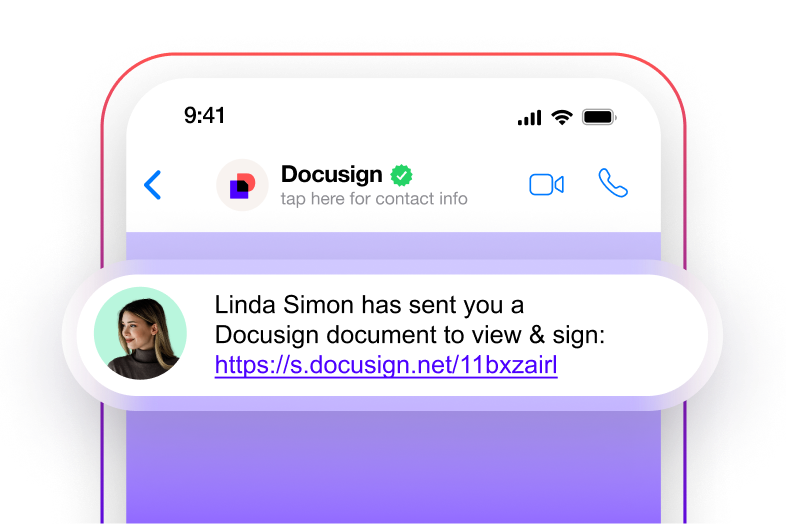
The platform also offers Identify, a feature for verifying a signer’s identity before a signature is accepted. Multi-channel delivery supports sending agreements through different channels, which helps collect signatures faster. In certain regions, electronic witnessing is also supported, capturing evidence such as geolocation, IP address, and timestamp data for witnessed signatures.
Contract Lifecycle Management and Workflow Automation
Beyond individual signatures, CLM tools are built to manage a contract from drafting through renewal. The stated aim is to accelerate cycle times, increase the value an agreement delivers, and reduce unnecessary contractual risk. For sales teams specifically, IAM for Sales is described as a way to close deals faster by applying artificial intelligence across contract creation, negotiation, and review.
Approval routing is another piece of this lifecycle. Multi-Channel Delivery routes documents to approvers on devices they already use, which reduces the bottlenecks that stall deals. Workflow Builder lets teams construct customized workflows that automate steps in the agreement process without writing code. Together these pieces aim to shorten the distance between drafting a contract and closing it.
Docusign Iris: Agreement AI and Intelligent Analysis
docusign‘s materials describe AI-powered features for extracting key contract details, surfacing insights, and flagging potential delays. The Agreement Manager component is described as the place where agreements are stored and analyzed centrally, turning them into what the brand calls data-rich assets. This is meant to help teams reduce risk proactively rather than discovering problems after an issue arises.
docusign Agents are described as tools that act on the full context of an agreement to help teams multiply capacity, close more deals, and accelerate approvals. For developers, a Developer Center provides APIs, MCP servers, and other tools to integrate agreement data into other systems, including AI tools used elsewhere in a business. This signals that the broader electronic signature and agreement management category is meant to extend beyond a single interface into a wider software environment.
Agreement Preparation and Repository Centralization
Document preparation includes mobile-friendly, interactive web forms for capturing information before a contract is even sent out. Template and document generation is also built into integrations such as Salesforce, described as intuitive to use within existing sales workflows. These preparation tools sit upstream of signing, shaping an agreement before it ever reaches a signer.
Once agreements are signed, centralization becomes the focus. Rather than contracts scattering across email inboxes and shared drives, a repository model keeps everything searchable from one place. This structure is part of what distinguishes modern electronic signature and agreement management from a simple PDF-signing utility, since the repository itself becomes a resource teams can query later.
- Sales teams struggle with approval bottlenecks, and routing tools aim to get documents to the right approver faster.
- Procurement departments need visibility into contract terms across many vendors, which centralized repositories are designed to support.
- Human resources teams handle repetitive paperwork such as offer letters, and templates reduce manual drafting for each new hire.
- Legal departments need to track obligations and renewal dates across large contract volumes, which AI-driven analysis is meant to surface.
- Customer experience teams need agreements signed quickly to avoid delays in onboarding, which multi-channel delivery and mobile signing are built to address.
Electronic signature and agreement management keeps expanding its reach across sales, legal, procurement, and HR alike.