Gym Wear Fit and Fabric Myths What Gymshark’s High-Rise and SoftSense Collections Actually Deliver
Gym wear fit myths circulate everywhere, from locker room chatter to social media captions promising miracle fabrics. Many assumptions about sizing, support, and fabric behavior do not match what brands actually write on their own product pages. Looking closely at Gymshark‘s specifications for its High-Rise and SoftSense collections clears up several of these gym wear fit myths and shows what the terminology really covers.
The “One Size Fits All Gym Wear” Myth: Understanding High-Rise and Mid-Rise Positioning
A common assumption is that leggings fit the same way regardless of rise or cut. Gymshark’s SoftSense range alone lists High-Rise Leggings, High-Rise Straight Leg Leggings, High-Rise Flared Leggings, Mid-Rise Flared Leggings, and Mid-Rise Leggings as separate styles. That spread shows the brand treats rise position as a defined variable, not an afterthought. Choosing between a high-rise or mid-rise waistband changes how the garment sits, which is a distinction the product listings make explicit rather than leaving to guesswork.
SoftSense Fabric Misconceptions: Responsiveness and Movement vs. Marketing Claims
SoftSense is described on Gymshark‘s site as a premium, soft fabric that responds to movement in the moment. That is the specific claim made, no more and no less. It does not come with extra technical explanation of how that responsiveness is engineered, so claims beyond “soft” and “responds to movement” would be reading more into it than the brand states. The fabric appears across leggings, shorts, a longline sports bra, tops, and a jacket, suggesting it is treated as a core material across multiple garment types rather than a single standout piece.
Squat-Proof Leggings: What “Squat-Proof Enough” Actually Means in Training Campus Leggings
The phrase “squat-proof” gets thrown around loosely across the gym wear fit myths cycle, as if it guarantees total opacity in every position. Gymshark’s own Training Campus Leggings description is more measured, calling the fabric “squat-proof enough for in and out of the gym.” That qualifier matters. The listing also notes soft, lightweight fabric and minimal branding with a small wordmark on the side, positioning Training Campus as a simple, versatile essential rather than a performance-first legging.
Built-In Support and the Shelf Bra Misunderstanding: Why Light Support Isn’t One-Size-Fits-All
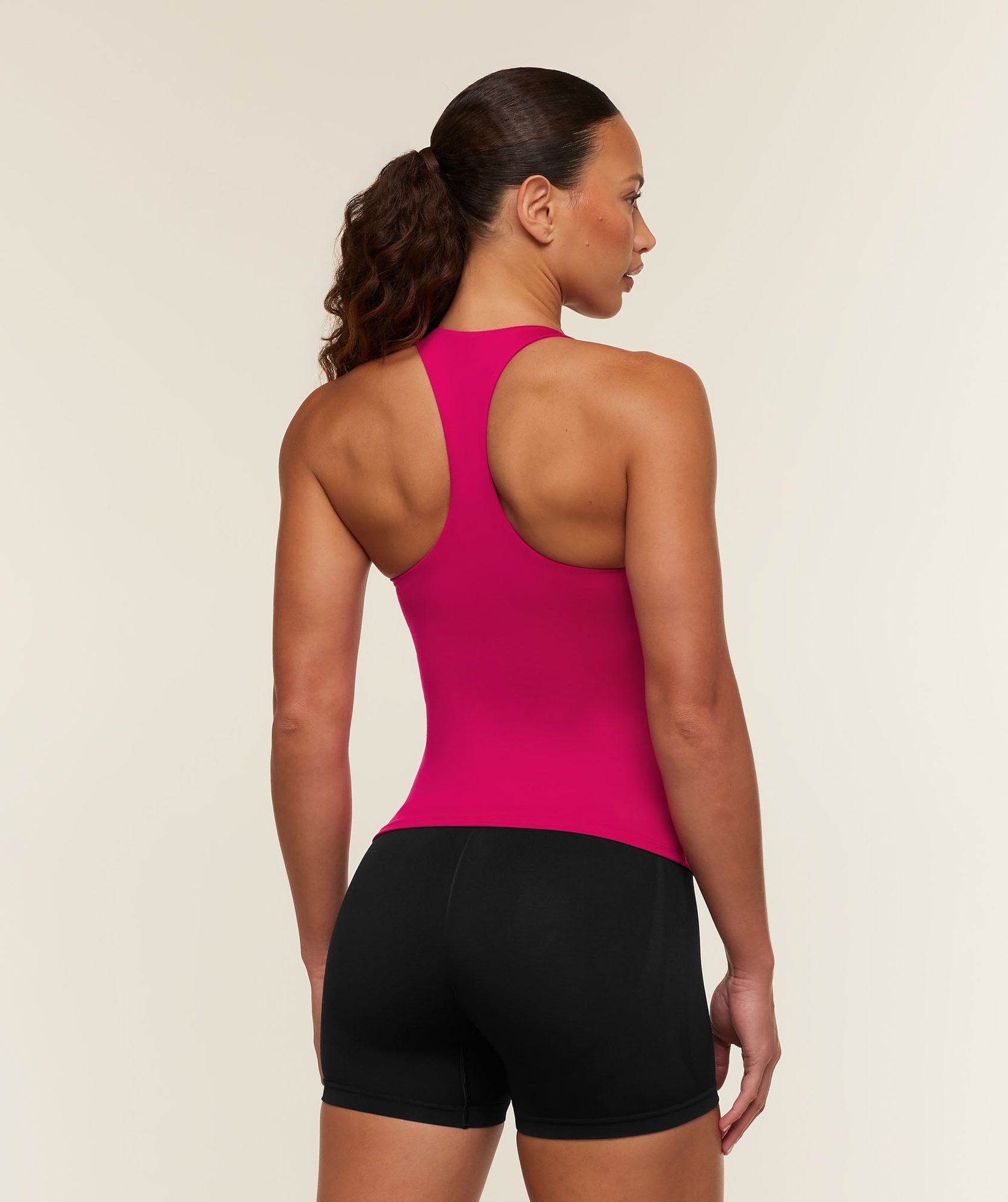
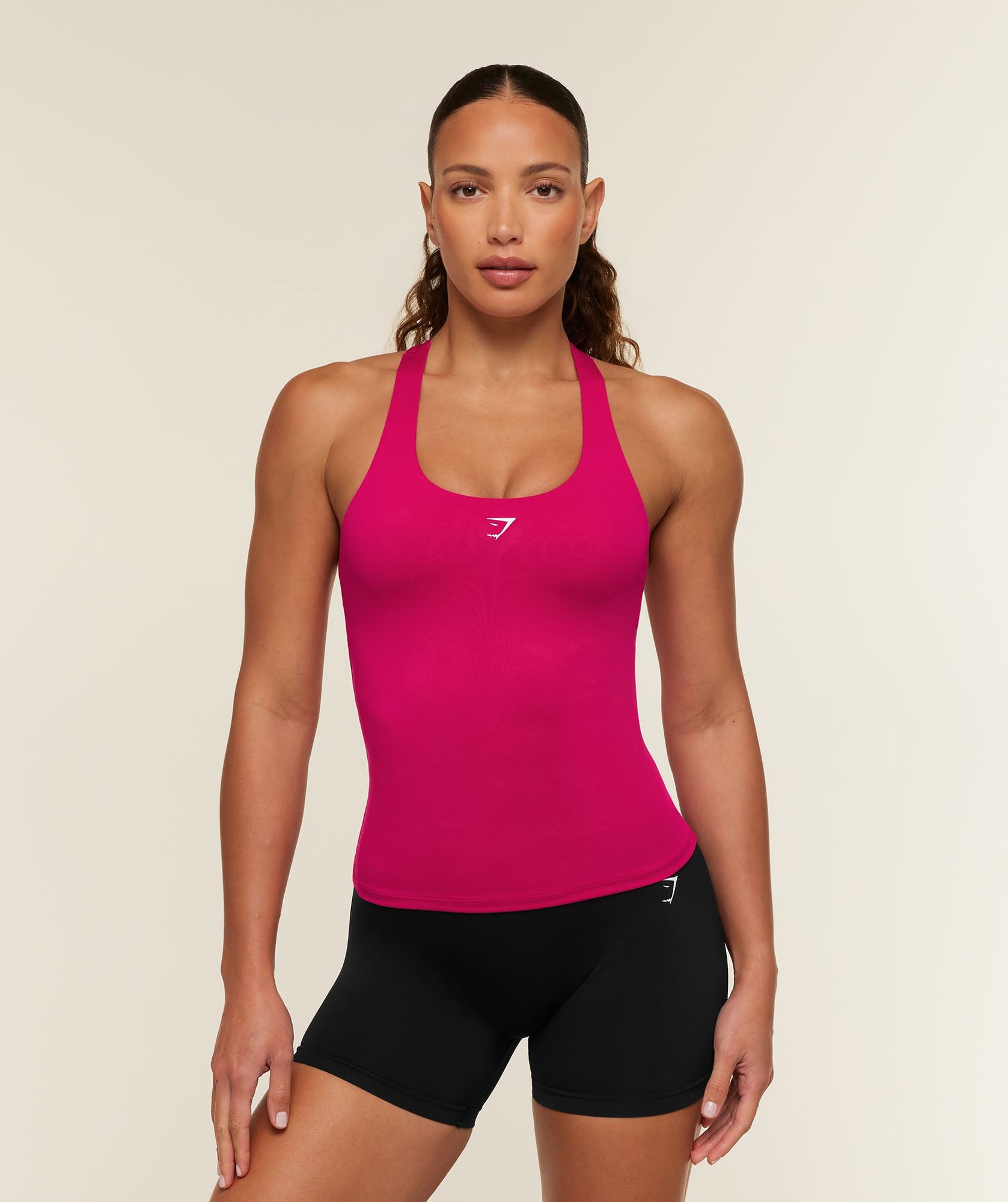
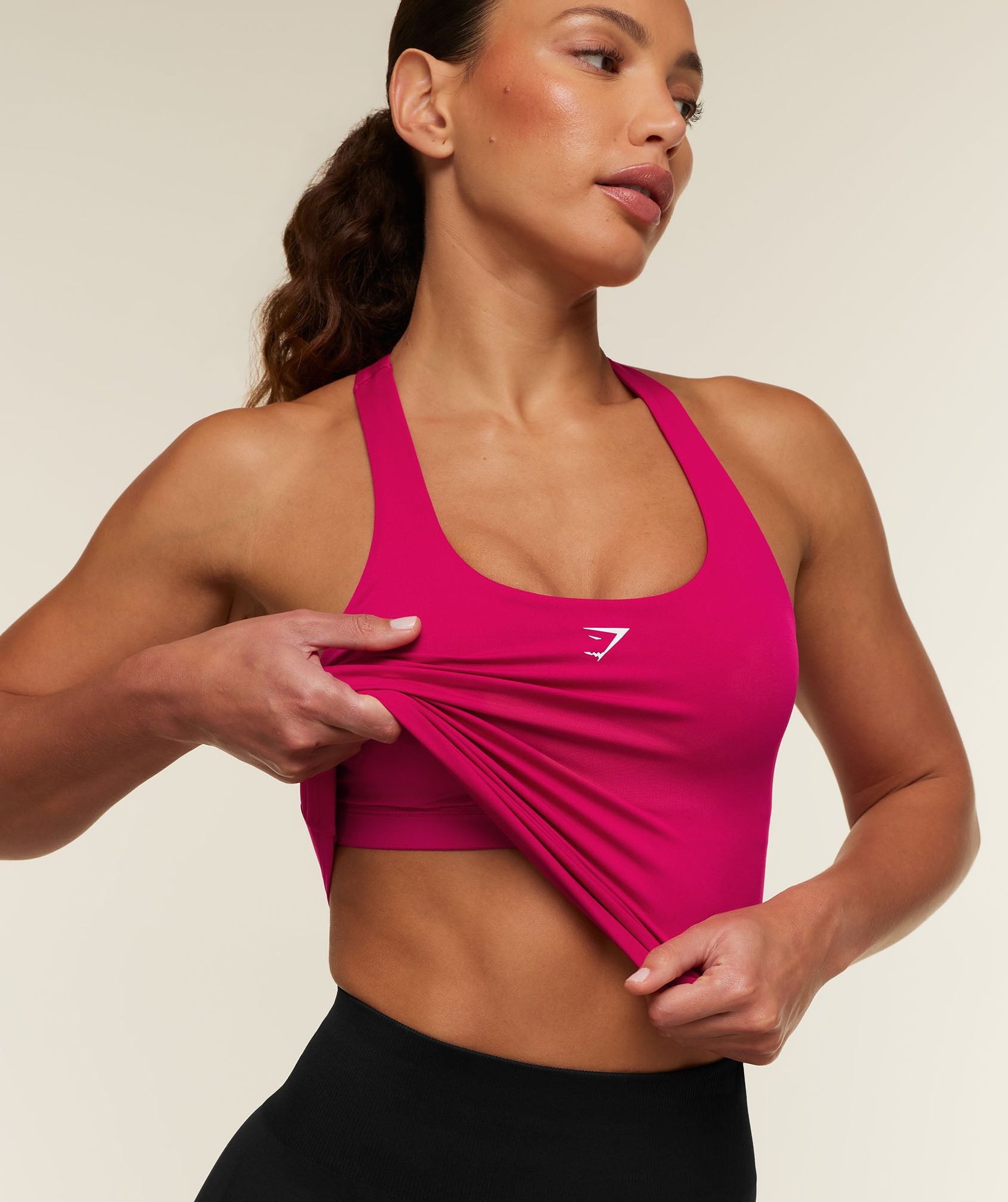
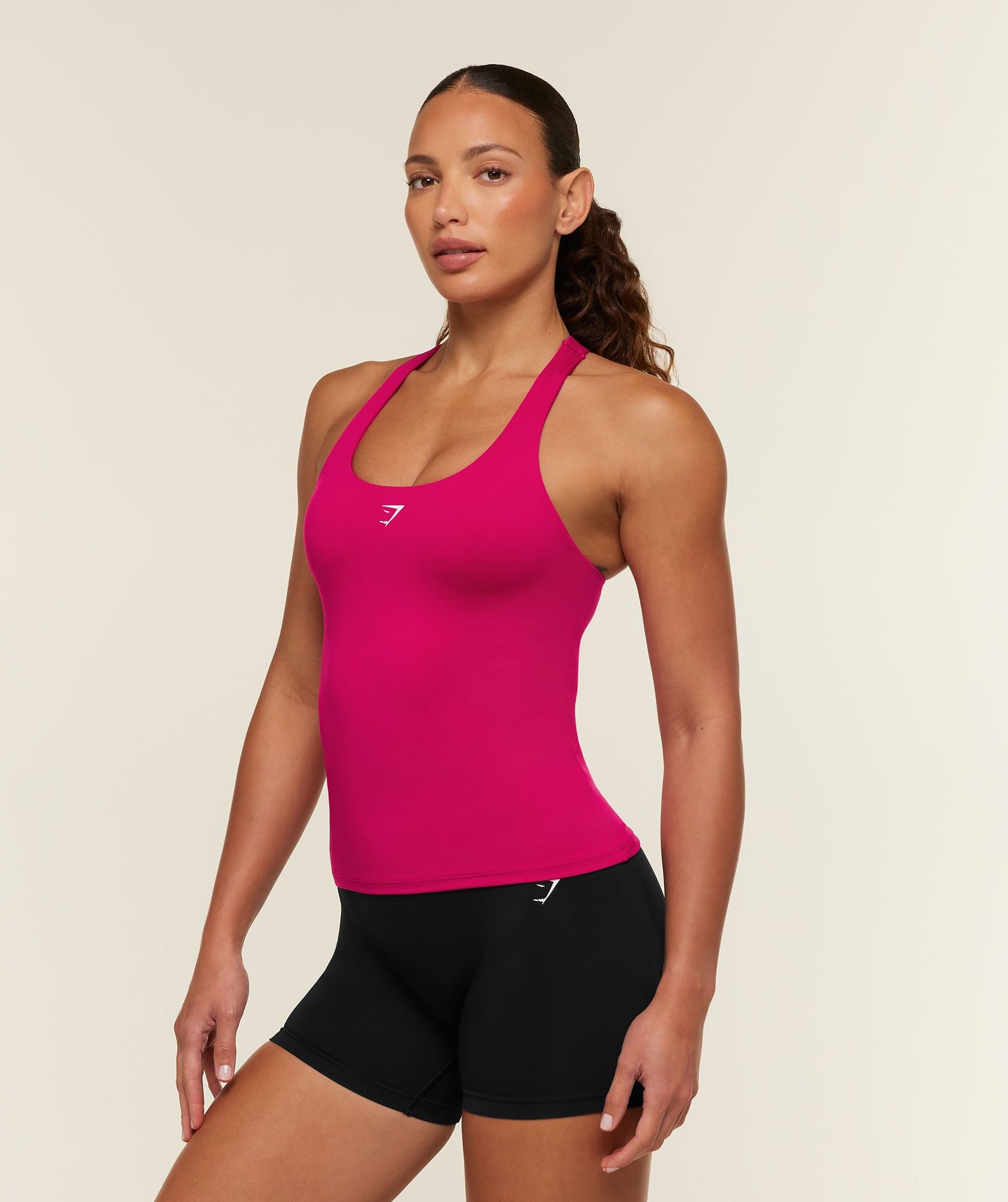
Built-in shelf bras often get assumed to deliver heavy support by default, which is another one of the persistent gym wear fit myths worth checking against the label. The Gymshark Shelf Cami Tank description states a shelf bra inside for a little boost, extra support, and shape, alongside a scoop neck and racerback design. Its size and fit details specify body fit, regular length, and light support. Light support is a defined category here, not a vague marketing word, and it sits apart from the medium support listed for the SoftSense Longline Sports Bra.
Oversized Fit Confusion: How Gymshark x Sam Sulek Silhouettes Differ from Standard Gym Wear
Oversized fit terminology can also create confusion when shoppers expect it to mean the same thing across every collection. The Gymshark x Sam Sulek line is described as soft, drapey fabrics paired with authentic bodybuilding silhouettes, and the range includes oversized pants, tanks, shorts, and related pieces, each labeled with an oversized fit. That labeling draws a clear line between this collection’s intentionally roomy cut and the body-fit, regular-length description used for pieces like the Shelf Cami Tank. Comparing fit terms side by side shows why the same gym wardrobe can include both close-fitting and deliberately loose pieces without one being a mistake.
Minimal Branding and Durability: Why Less Visible Wordmark Doesn’t Mean Better Quality
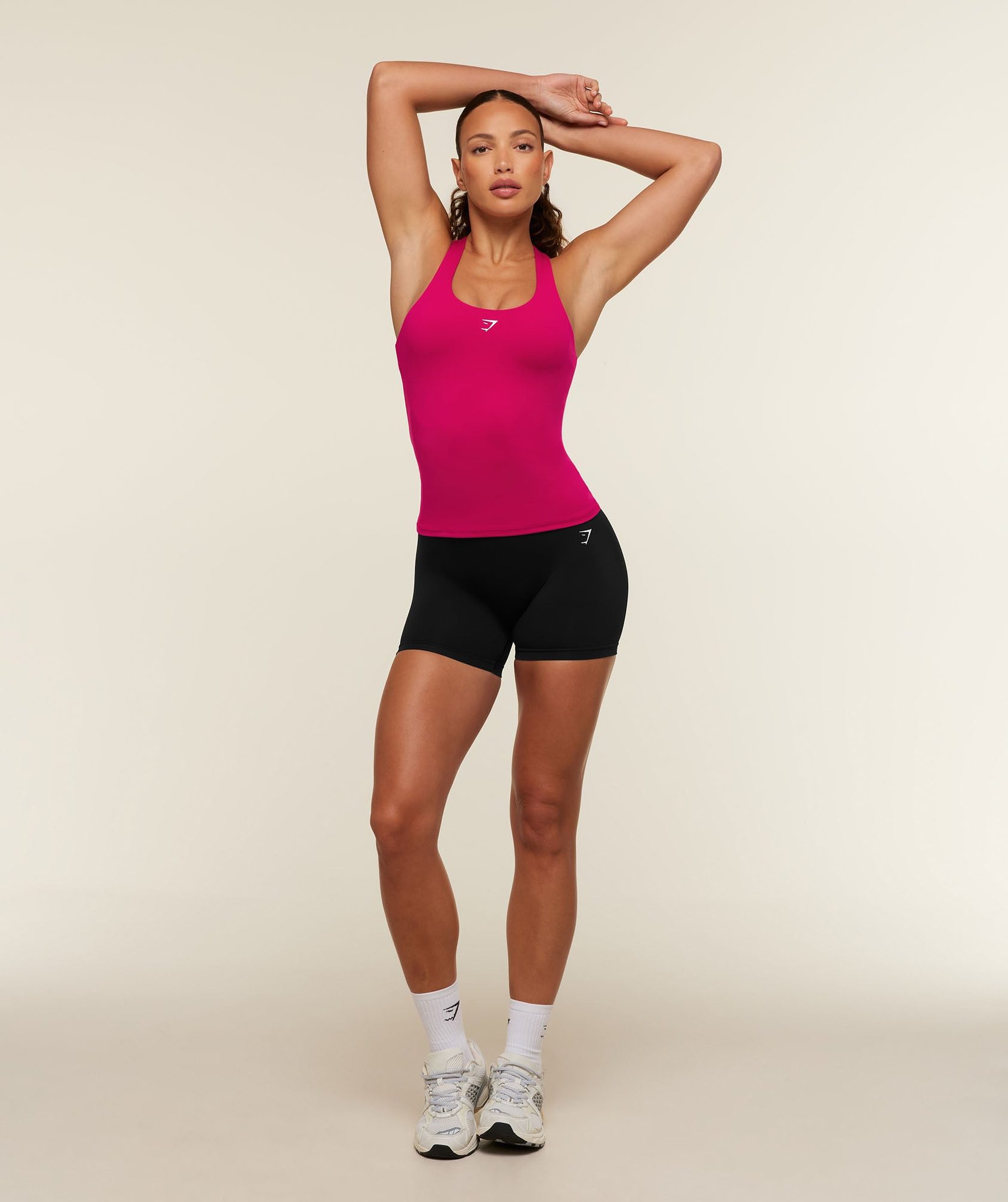
There is an assumption that subtle branding signals a lesser or more basic product, but nothing in Gymshark’s own listings supports that logic. The Training Campus Leggings carry a small wordmark on the side and are still described with the same soft, lightweight fabric and squat-proof enough claim as other leggings in the lineup. Minimal branding appears to be a styling choice for that particular collection, not a marker of reduced construction. The product description simply does not draw any connection between visible branding and fabric quality, so inferring one would go beyond what the page actually says.
- Rise terminology such as high-rise and mid-rise refers to waistband positioning, and Gymshark lists both as distinct options within the same SoftSense fabric.
- “Squat-proof” in the Training Campus Leggings description is qualified as “squat-proof enough,” not an unconditional guarantee.
- “Responsive to movement” is the specific phrase Gymshark uses for SoftSense fabric, without further detail on how that response is achieved.
- Built-in support is graded, with the Shelf Cami Tank specified as light support and the SoftSense Longline Sports Bra specified as medium support.
- Oversized fit is a deliberate label applied to the Gymshark x Sam Sulek collection, distinct from the body fit used elsewhere.
- Minimal branding, as seen on the Training Campus Leggings, is listed as a design detail rather than an indicator of fabric weight or construction.
Reading the actual spec sheet instead of the general reputation around a label clears up most gym wear fit myths fairly quickly. Rise, support level, fit type, and fabric claims are all defined terms on Gymshark‘s product pages rather than interchangeable marketing words.