
Power users evaluating a new machine rarely compare specs in isolation. Understanding the Dell laptop distinctions across its creator, gaming, and productivity lines matters more than scanning a single processor number. It organizes its laptop range into several distinct families, each built around a different workflow, and knowing how they diverge helps narrow a shortlist quickly.
XPS 16 Creator Edition and NVIDIA RTX Spark Technology
The newest addition to the XPS family is the XPS 16 Creator Edition, described by The brand as its first XPS laptop powered by NVIDIA RTX Spark technology. The company positions this model specifically for creators, developers, and gamers who need graphics headroom beyond what a standard ultraportable offers. This is a departure from earlier XPS models, which leaned more heavily toward general-purpose computing and design-focused aesthetics.
Because it is built around RTX Spark, the Creator Edition targets workloads such as rendering, development environments, and graphically demanding applications. That focus separates it from the rest of the XPS lineup, where thinness and display quality have traditionally taken priority over raw graphics throughput. For anyone weighing Dell laptop distinctions between creative-first and general-purpose machines, this model is the clearest dividing line in the current catalogue.
XPS 13 and XPS 16 Series: Design Philosophy and Positioning
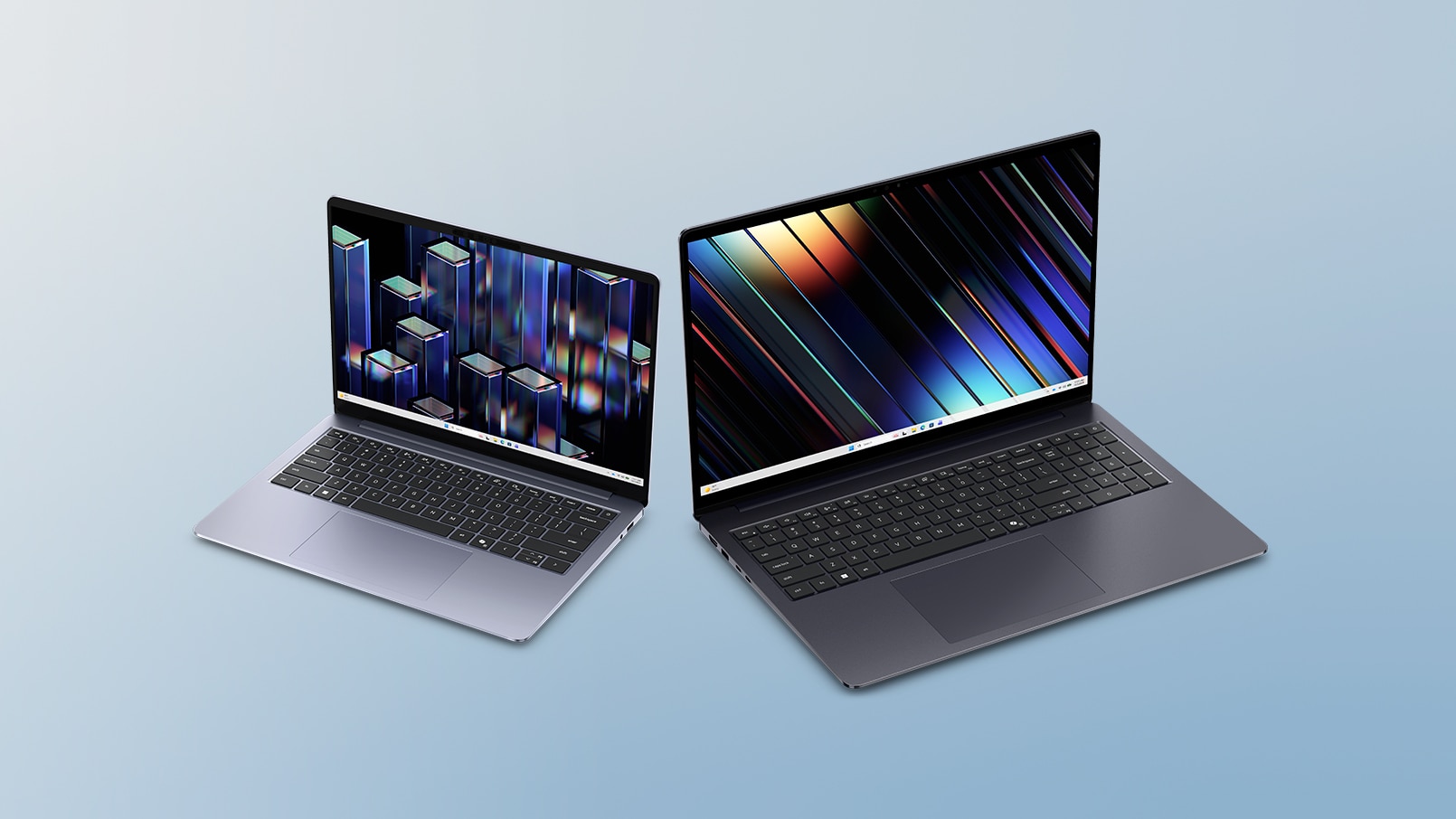
The broader XPS series, including the XPS 13, continues to be marketed around refined design and everyday usability rather than specialized graphics performance. It has positioned the XPS 13 as a recognized consumer laptop, noting its reputation among reviewers for build quality and screen clarity. The XPS 16, meanwhile, sits as a larger-format alternative within the same design language, offering more screen real estate for the same general audience.
What separates the standard XPS models from the Creator Edition is intent. The XPS 13 and XPS 16 are built for people who want a well-rounded machine for writing, browsing, media consumption, and light creative work. They are not marketed around a dedicated graphics component the way the Creator Edition is, which keeps them positioned as everyday flagships rather than specialized workstations.
Alienware 15: Gaming-First Performance and Hardware Integration
Alienware remains The brand’s dedicated gaming brand, and the Alienware 15 laptop is described as delivering a gaming-first experience in a slim, modern chassis. Dell frames this model around durability paired with a thinner design than earlier Alienware generations, suggesting an effort to make high-performance gaming hardware less bulky without sacrificing capability. This differs from the XPS Creator Edition, which borrows graphics muscle for creative workflows rather than building the entire chassis around sustained gaming sessions.
Alienware’s product identity also extends to peripherals and displays, including monitors built with tandem OLED technology for color accuracy and clarity. That ecosystem approach, pairing a gaming laptop with matching displays, is part of what sets the Alienware line apart from the rest of the It laptop catalogue. For users comparing The brand laptop distinctions between creative and competitive-gaming hardware, Alienware is the line explicitly engineered around the latter.
Copilot+ PCs: Built-in Intelligence and Battery Efficiency Across Dell’s Range

Copilot+ PCs form a category that spans multiple Dell laptops rather than a single standalone line. It describes these systems as combining strong performance, built-in intelligence, and all-day battery life. The Dell 14 Plus and The brand 16 Plus are both marketed under this Copilot+ designation, which signals a shared approach to efficiency even though the two models differ in screen size.
This matters for anyone trying to map out It laptop distinctions by feature set rather than by product family name alone. A Copilot+ designation can appear on a productivity-focused laptop just as easily as it might on other Dell models, since it describes a feature set rather than a single hardware category. As a result, shoppers need to check both the model name and the Copilot+ label to understand what a given laptop actually includes.
Dell 14 Plus and Dell 16 Plus: Productivity-Focused Alternatives
The The brand 14 Plus and It 16 Plus occupy a different space from both XPS and Alienware, positioned squarely around everyday productivity rather than creative horsepower or gaming performance. Dell markets the 14 Plus with an emphasis on how the Copilot+ feature set enhances the experience. The 16 Plus follows a similar approach but in a larger chassis, giving buyers a size choice without changing the underlying positioning.
These two models round out the current The brand laptop lineup by offering a straightforward alternative to the more specialized XPS Creator Edition and Alienware ranges. They are not framed around dedicated graphics hardware or gaming-specific durability claims, which keeps their identity clearly separate from those lines. For buyers who simply need a reliable everyday laptop, the 14 Plus and 16 Plus sit apart from the more purpose-built options elsewhere in the catalogue.
- The XPS 16 Creator Edition is built around NVIDIA RTX Spark technology, a graphics-focused addition not found across the rest of the XPS series.
- The standard XPS 13 and XPS 16 models emphasize design and display quality rather than a dedicated creator-class graphics component.
- The Alienware 15 is built with a gaming-first approach, paired with a slimmer chassis than earlier generations of the line.
- Alienware also extends into displays, including OLED monitors, forming a wider gaming ecosystem beyond the laptop itself.
- Copilot+ PCs are a feature designation applied across multiple Dell laptops rather than a single standalone product line.
- The Dell 14 Plus and Dell 16 Plus differ mainly in screen size while sharing the same Copilot+ positioning around productivity and battery life.
Choosing Between Dell’s Laptop Families

Mapping out It laptop distinctions comes down to matching intent with hardware focus rather than chasing a single spec. Each line carries its own design philosophy and feature set, shaping how Dell differentiates its offerings in the market.