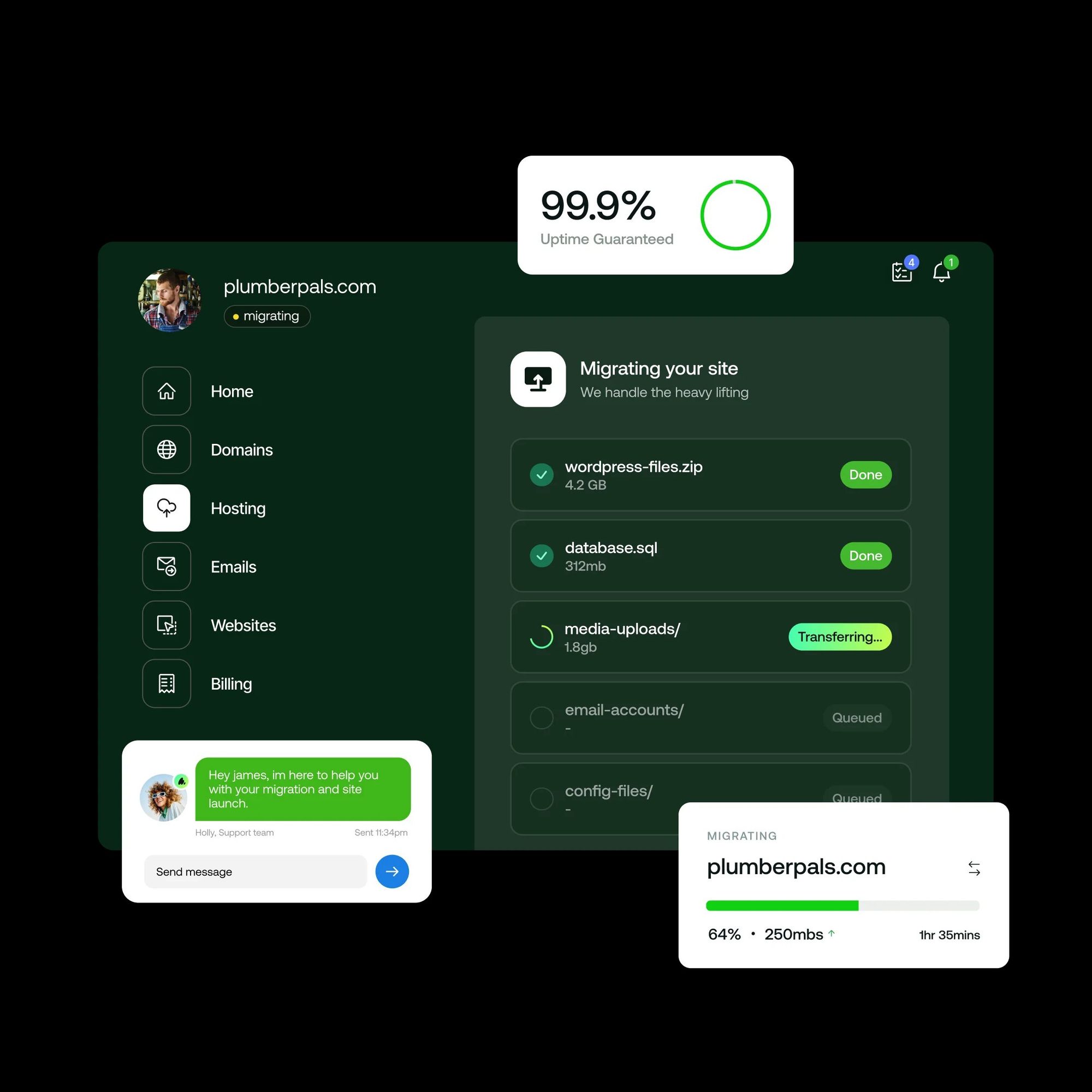
Shopping for a host often means wading through conflicting claims, outdated forum advice, and marketing language that rarely matches what a server actually delivers. Many web hosting misconceptions circulating online trace back to pricing structures and jargon that few people take time to unpack. This article works through six of the most persistent myths and lines them up against what A2 hosting hosting actually offers through its hosting plans.
Myth: Hosting Affordability Requires Long-Term Commitments
A common assumption holds that reasonable hosting rates only exist for those who lock into a multi-year contract. That belief has been reinforced by providers who advertise a low introductory rate buried in fine print about lengthy terms. A2 structures its plans around first-year rates tied to specific products, such as its Web Hosting and PRO Web Hosting lines, rather than requiring an extended multi-year sign-up to access them.
On top of that,A2 hosting hosting backs its plans with a 30-day money-back guarantee, which gives a new account holder a defined window to evaluate the service. That stands in contrast to the idea that flexibility and affordability cannot coexist. The structure suggests commitment length and plan value are two separate questions, not one bundled requirement, which is one of the simpler web hosting misconceptions to clear up once the fine print is actually read.
The Truth About NVMe SSD Storage and Real Performance Gains
Another misconception is that all solid-state storage performs the same way regardless of provider or configuration. In practice, storage technology varies, and the way a host configures and shares that storage across accounts affects what a website actually experiences. Infrastructure choice, not storage hardware alone, tends to be the deciding factor in how a site performs day to day.
That range matters because a site hosted on shared infrastructure draws from a pool used by many accounts, while fully dedicated hardware offers resources reserved for a single customer. Pro Website Creators, a web development agency, reported improved website speed and operational efficiency after moving to a more controlled hosting environment. That example illustrates how infrastructure choice can shape day-to-day performance outcomes for an agency managing multiple client sites.
Why Transparent Resource Limits Matter: RAM, vCPU, and IOPS Explained
A frequent point of confusion involves what resource limits actually mean on a hosting account. Terms like RAM, vCPU, and IOPS get thrown around without much context, leaving account holders unsure what they are actually paying for. Shared hosting pools CPU power, RAM, storage, and bandwidth across many websites on a single physical server, while a cloud server, sometimes called a VPS, allocates dedicated resources to one account along with a wider range of supported configurations; account holders on shared plans typically manage files, email, and databases through a control panel provided with the service.
Understanding that distinction helps explain why a site that outgrows shared hosting often needs a cloud server rather than simply a bigger shared plan. That kind of clarity undercuts one of the more common web hosting misconceptions, namely the idea that every plan labeled with similar specs behaves the same way under real traffic. A2 hosting keeps that line between products visible instead of blurring shared and cloud resources together under one label.
Misconceptions About Uptime and the 99.9% SLA
Uptime percentages get quoted constantly, yet many assume the number itself guarantees a trouble-free experience. A 99.9% uptime SLA is a stated commitment, and A2 includes it alongside free migration and in-house support as part of its baseline service. Soxcessful, a marketing and operations company, moved its Magento-driven campaigns to a managed VPS after facing recurring downtime, and reported improved reliability for large-scale activations as a result.
That case points to a broader truth about hosting support. An SLA figure alone does not explain how an outage gets resolved or how quickly a technical issue gets addressed. The combination of the uptime commitment with responsive support is what the case studies actually describe, not the percentage in isolation.
Shared Hosting vs. Cloud Servers: Understanding When to Scale
A persistent myth treats shared hosting and cloud servers as interchangeable, differing only in price. Shared hosting suits smaller websites, blogs, startups, and new businesses, and the product lineup also extends to API and MCP support for infrastructure management as needs grow more technical. Absolute Websites, a Cyprus-based web design and digital marketing agency, moved from shared hosting to multiple VPS servers through A2 hosting and now supports around 50 to 60 client websites across Europe and beyond.
That growth path matters because it shows scaling as a deliberate move rather than a forced upgrade triggered by failure. The same platform and support team stay in place through that transition, so a business does not need to re-platform when traffic or client demands increase. This is why the shared-versus-cloud decision deserves more thought than a simple price comparison.
Real Support Exists: Debunking the 24/7 Bot Myth
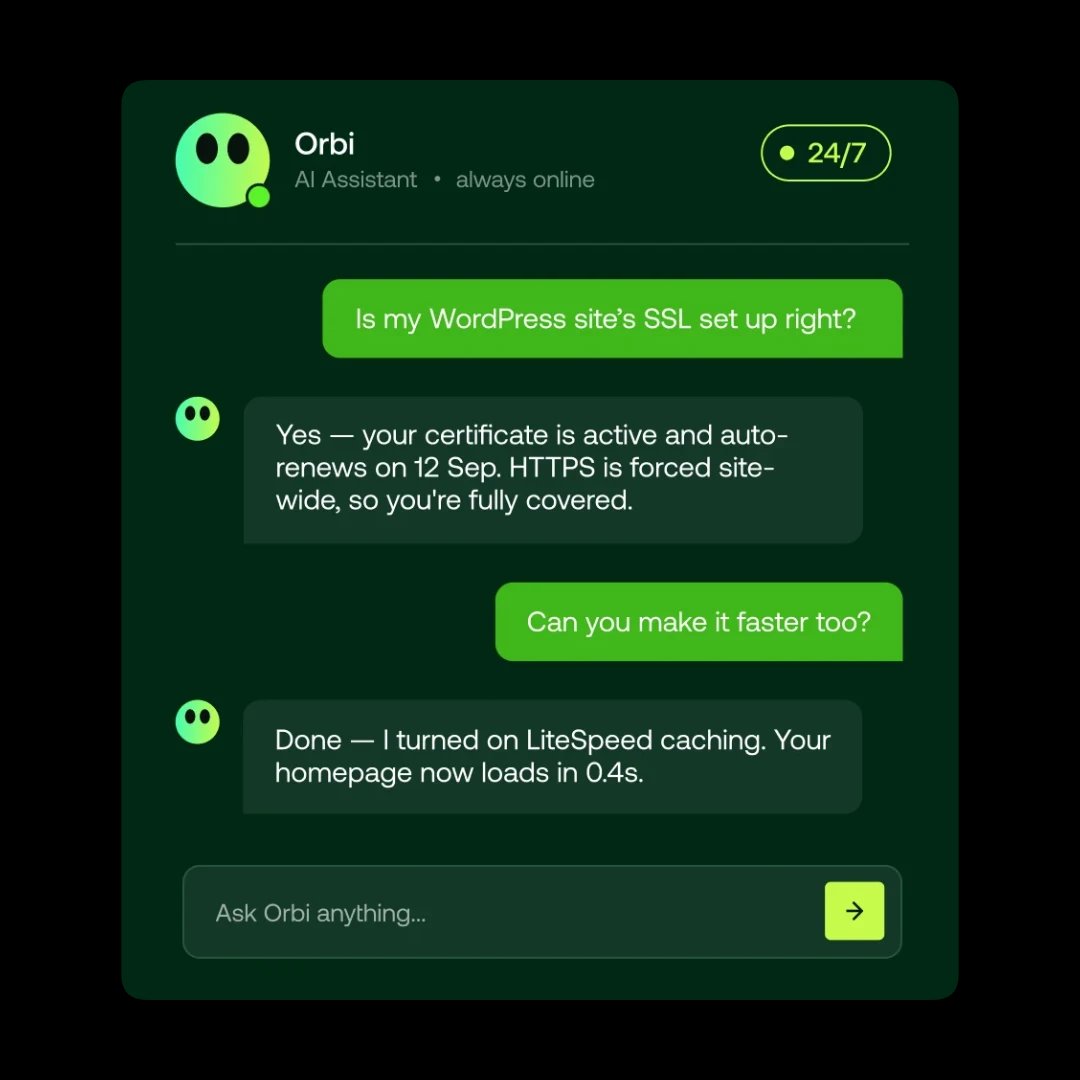
A widely held assumption treats 24/7 support claims as a euphemism for automated chatbots with no real technical staff behind them. A2 hosting describes its support as in-house and available around the clock, paired with an AI assistant rather than a replacement for human staff. Absolute Websites specifically cited responsive support as one of the reasons the agency strengthened its hosting and maintenance offering for clients.
- Many assume hosting plans require multi-year contracts to be affordable, when first-year rates can apply without a long-term lock-in.
- Some believe all solid-state storage performs identically, ignoring how shared, cloud, and dedicated configurations differ.
- A common myth treats resource limits like RAM and vCPU as marketing filler rather than figures that explain real account capacity.
- Uptime percentages are sometimes mistaken for a complete performance guarantee rather than one part of a broader support commitment.
- Shared hosting and cloud servers are often viewed as interchangeable products that differ only in cost.
- Round-the-clock support is frequently assumed to mean automated bots instead of staffed technical teams.
Taken together, these examples show how web hosting misconceptions tend to form around numbers and labels stripped of their context. A plan’s rate, an SLA figure, or a storage spec means little without understanding how a provider actually structures its service around it. Looking at real account structures, rather than marketing shorthand, remains the more reliable way to separate myth from how hosting infrastructure actually functions.