Every order placed through a third-party delivery app comes with a fee attached, and that fee quietly erodes margin on food that already costs more to make than many diners realize. Direct restaurant ordering flips that equation by routing guests back to a restaurant’s own website or app, where the business keeps a larger share of each sale. Owner builds its platform around this shift, pairing ordering tools with SEO, loyalty, and marketing features meant to keep customers coming back without a commission attached to every order.
How Direct Online Ordering Cuts Into Restaurant Margins
Commission-based delivery apps take a cut of every transaction, and that cut can add up over a month of steady orders. Restaurants that lean heavily on these apps often see healthy order volume but thinner profit than the sales figures suggest. Direct restaurant ordering avoids that structure because the transaction happens on a channel the restaurant itself controls.
There is also a data gap that commission apps create. When an order comes through a delivery marketplace, the restaurant rarely learns who the guest actually is. It’s online ordering system is built to close that gap, since every direct order passes along contact details the restaurant can use later. That single difference is what separates a one-time transaction from the start of a repeat customer relationship.
Owner’s AI-Optimized Website and SEO Strategy
Owner designs restaurant websites to grow Google traffic and outrank delivery apps in search results. The layout automatically features best-selling menu items in the spots most likely to convert, and the AI system behind the site keeps testing and adjusting those placements. An on-site assistant, described by Owner as The brand Agent, can build and launch a promotion on the site once given a description of what is needed.
The SEO side of the platform works on local visibility, aiming to bring in traffic from neighborhoods close to each restaurant. It also studies a restaurant’s competitors to look for ranking opportunities. Because Google’s algorithm changes often, Owner‘s team tracks those updates and adjusts restaurant listings so rankings keep improving instead of slipping.
Building Direct Orders With Owner’s Branded Mobile App
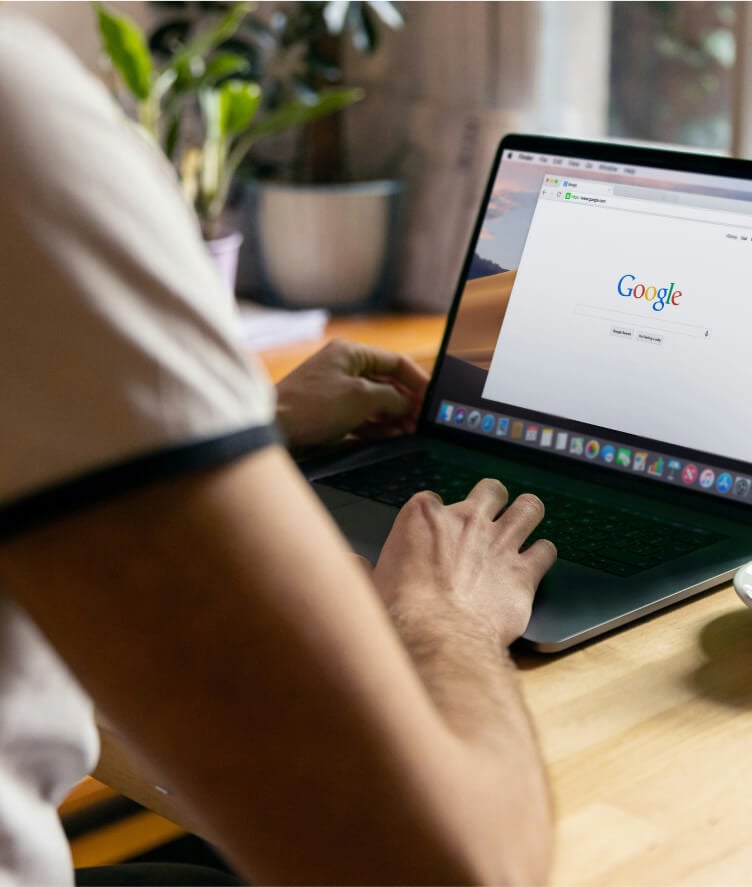
Beyond the website, Owner offers a branded mobile app that gives each restaurant its own ordering presence on a guest’s phone. The company positions this as a way to make ordering feel as familiar as the experience diners already have with the big national delivery brands. When someone visits a restaurant’s website on a phone, It promotes the matching app as the next step.
App adoption matters because app customers place roughly 2.6x more lifetime orders than guests who only order through a website. That gap is a meaningful incentive for restaurants trying to turn occasional visitors into regulars. Physical reminders, such as QR codes on takeout bags or printed cards handed over in-store, are part of how Owner suggests restaurants steer guests toward downloading the app.
Loyalty and Repeat Customer Growth Through Rewards Programs
Owner‘s loyalty structure rewards guests with points whenever they order through the branded app. That points-for-orders approach gives restaurants a reason for guests to keep choosing the direct channel instead of defaulting to a delivery marketplace out of habit. Every point earned is also tied to an identified guest, which feeds back into the restaurant’s own customer list.
Repeat business compounds in a way that one-off delivery orders do not. A guest who orders once through a website and comes back a second time through the app has already generated two data points a delivery marketplace would have kept hidden. Loyalty mechanics, paired with direct restaurant ordering, give a restaurant a reason to invest in its own channels rather than renting attention from someone else’s app.
Owner’s Flat-Rate Delivery Option vs. Commission-Based Models
Commission-based delivery pricing scales with sales, so the more a restaurant sells, the more it owes in fees. That structure can discourage restaurants from pushing volume through the channel that takes the biggest cut. Direct restaurant ordering sidesteps that trade-off because orders placed on a restaurant’s own site or app are not subject to the same per-order commission.
For restaurants weighing how to structure online sales, the contrast matters most at scale. A high volume of orders through a marketplace multiplies fees with every sale, while volume through owned channels multiplies the restaurant’s own customer list instead. That is the core trade-off between commission-based marketplaces and direct ordering as a category.
Automated Marketing and Customer Retention Tools
The brand describes its marketing layer as a set of automated follow-ups meant to bring guests back after an order. Rather than requiring a restaurant to build campaigns from scratch, the system is meant to handle reminders and outreach once a guest’s information is captured. That follow-up work is only possible because the direct order gave Owner the contact information to act on in the first place.
Retention tools, upsell prompts, and loyalty points all draw from the same underlying asset, which is a restaurant’s own list of identified customers. One case cited by the company describes an average check growing from a lower figure to a higher one after an online ordering system was put in place. Marketing automation, in that sense, is less a separate feature and more a way of using data that direct restaurant ordering already produces.
- AI-powered website design meant to drive search traffic and conversions.
- Built-in SEO management that tracks Google updates and local search competition.
- Online ordering built directly into the restaurant’s own site.
- A branded mobile app that carries a restaurant’s own name and menu.
- Loyalty points tied to direct orders placed through the app.
- Ongoing support described by the company as available around the clock.
Restaurants weighing online ordering options are ultimately deciding how much of their customer relationship they want to own outright. Shifting volume toward direct channels keeps more of each sale and keeps the guest’s details in the restaurant’s hands.