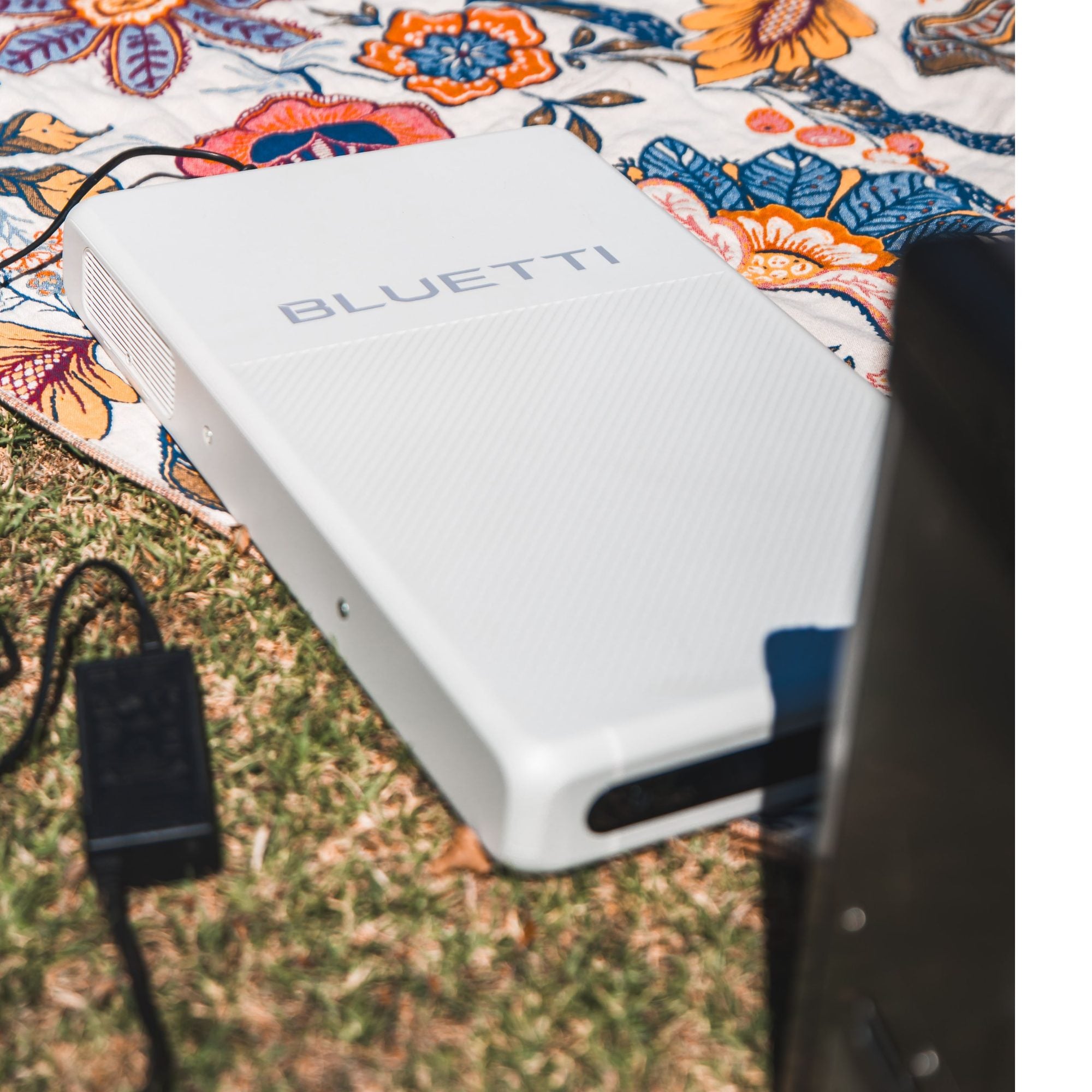
A van pulls into a forest campsite after dark. Phone batteries sit low, a cooler needs steady power through the night, and a headlamp will not hold a charge much longer. Scenes like this explain why portable power stations have become as common as a tent or a sleeping bag. Bluetti power builds a range of these units, from compact models suited to weekend trips to larger, expandable systems designed for longer stretches off the grid.
Why Portable Power Stations Matter for Outdoor Leisure
Camping has shifted from a purely rugged pursuit into something that often includes refrigerators, lighting rigs, and charging routines for phones and cameras. A dependable power source removes the guesswork of running low on battery mid-trip. For RV travelers in particular, an onboard unit means fewer stops and less reliance on campground hookups. Off-grid cabins and remote worksites face a similar challenge. Without a steady electrical connection, a portable power station becomes the backup that keeps essential devices running. Many outdoor enthusiasts turn to bluetti power for solutions tailored to these unpredictable environments.
BLUETTI Elite Series: Compact Power for Campers and Travelers
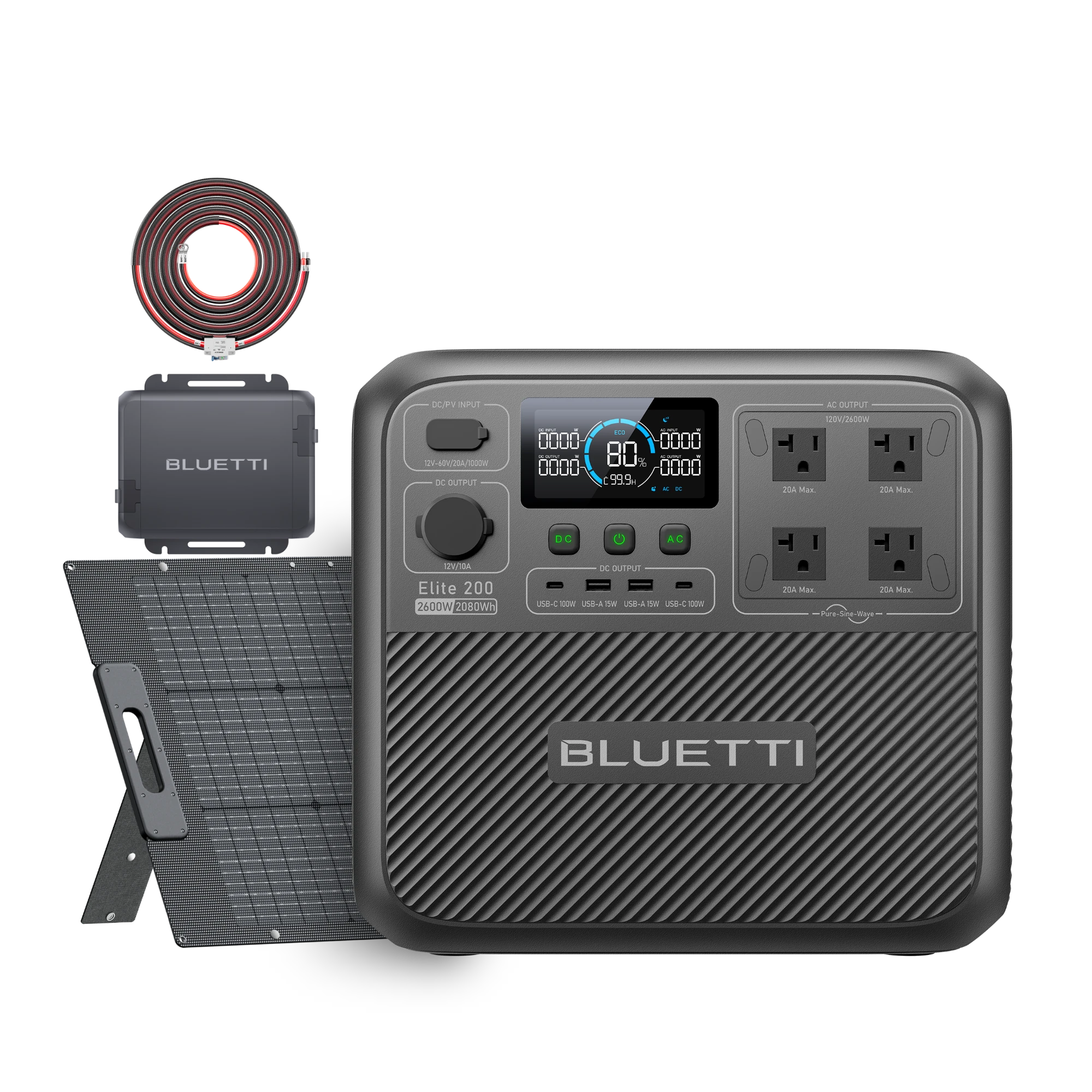
bluettipower’s Elite lineup balances compact size against usable capacity. The Elite 300 is described as the smallest 3 kWh portable power station, offering 2,400W of output with a 4,800W lifting capability for heavier loads like microwaves or heaters. It includes a TT-30 outlet and a 12V/30A DC port suited to RV setups, along with a 10ms UPS function for devices that cannot afford interruption.
Smaller still is the Elite 100 V2, weighing only 25lbs with a 17L design and a hidden handle for easier transport. Its 1,200W AC TurboBoost feature reaches 80% charge in 45 minutes when plugged into AC power, which matters when a stop at a trailhead leaves little time before moving on again. The same unit accepts up to 1,000W of solar input through a built-in MPPT controller, reaching a full charge in roughly 70 minutes under that method. The Elite 400 sits between these models, offering up to 4 kWh of capacity for home or camping backup needs.
BLUETTI Apex Series: Scalable Energy for Extended Off-Grid Trips
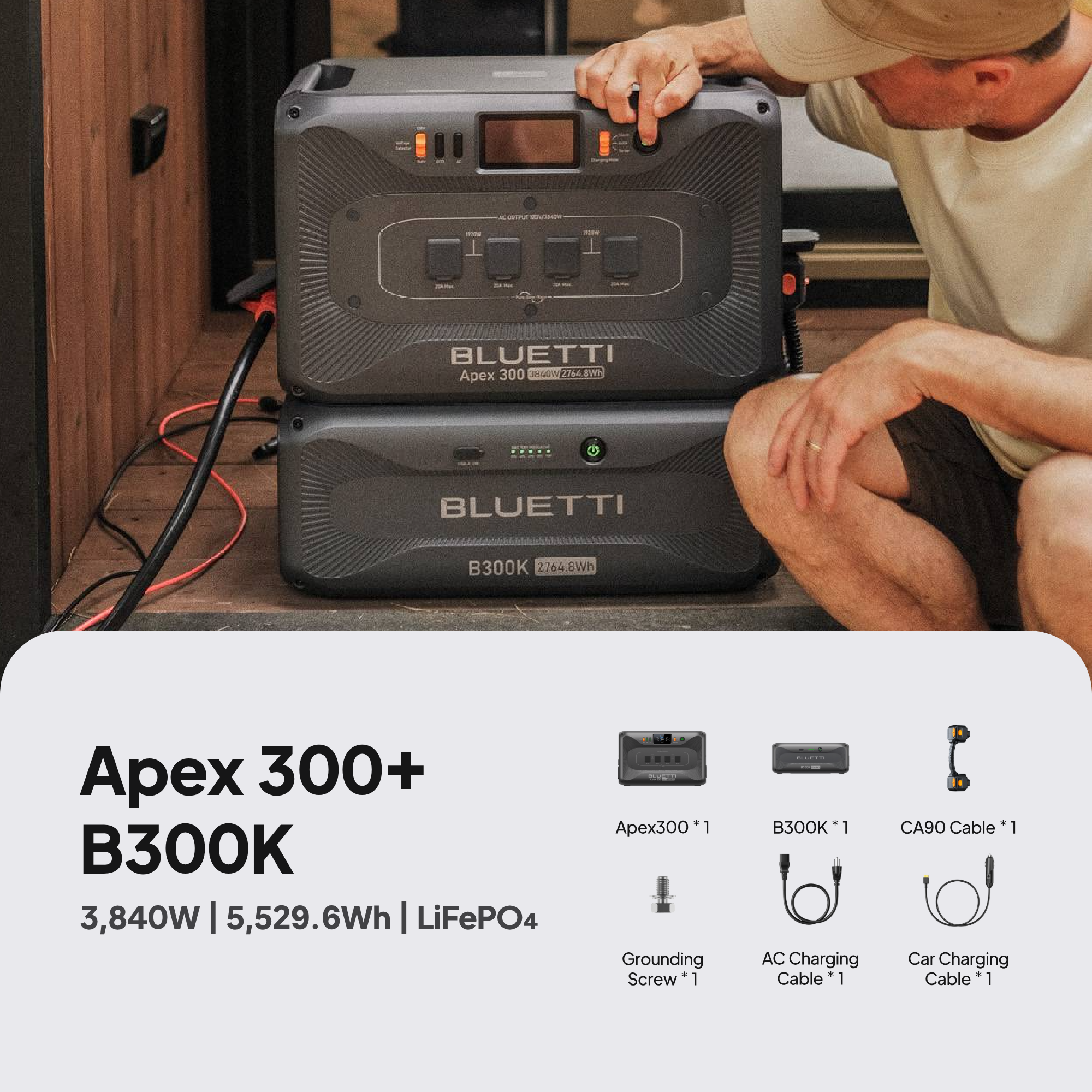
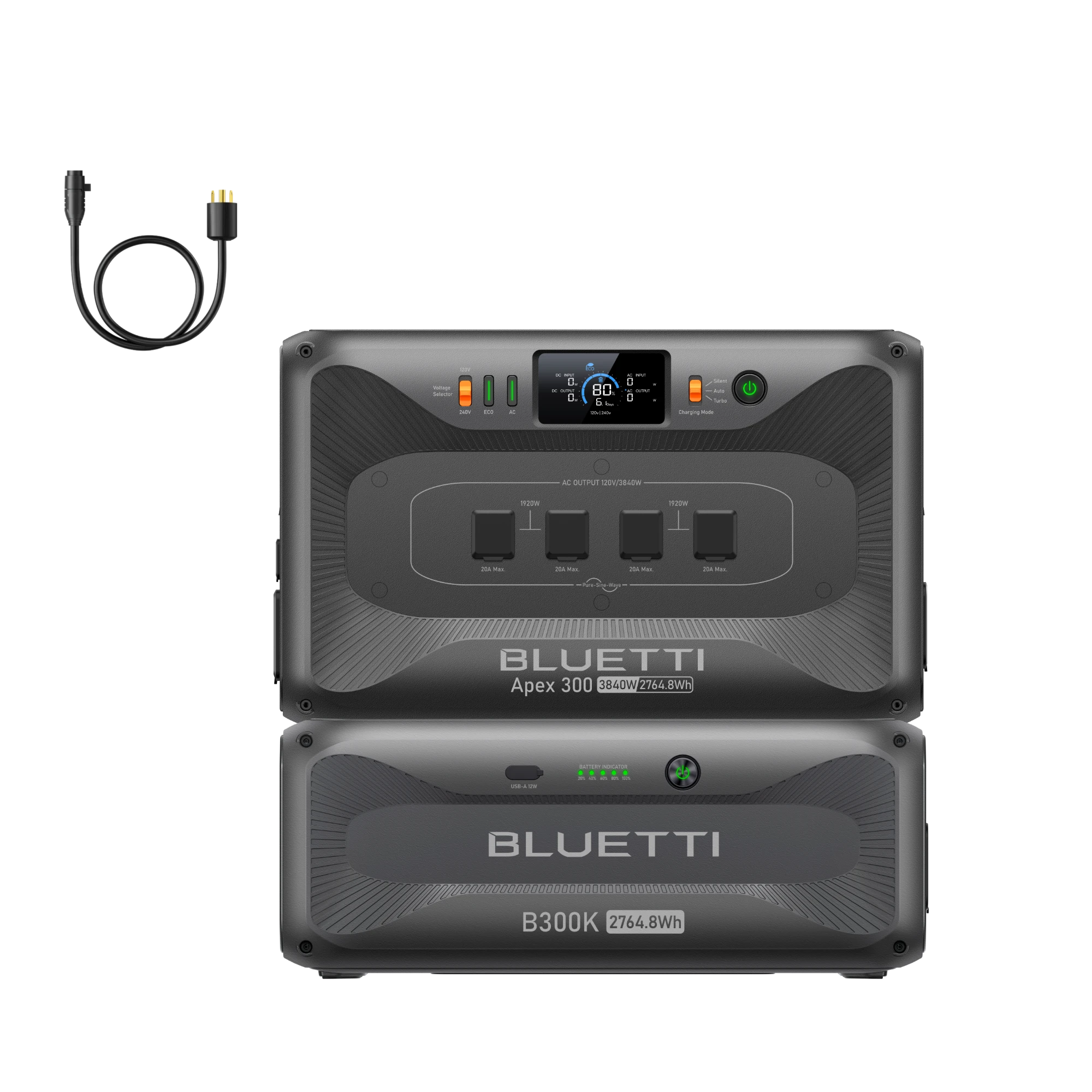
The Apex series takes a different approach, focusing on units that expand alongside changing power demands. The Apex 200 starts at 2,560Wh of capacity and up to 3,600W of output, with the ability to expand from 2.56kWh up to 99.84kWh by adding battery modules. That range covers both short getaways and longer off-grid stretches where more stored energy becomes useful. Beyond raw capacity, the Apex 200 includes RV-ready TT-30R and 12V/30A Anderson connections, plus Smart AC Load Control through an accompanying app for managing which outlets draw power. Its UPS backup switches over in 15 milliseconds or less, keeping connected devices running during a power interruption. The Apex 300 follows a similar expandable approach, with configurations listed around 3,840W output and 2,764.8Wh of capacity, bringing the same expandable philosophy to those seeking higher baseline power from bluetti power systems.
Solar Panel Integration: Recharging in the Wilderness
Solar charging is a core part of how these units function away from fixed power sources. The Apex 200 supports up to 3,000W of dual-range solar input, combining 2,000W of high-voltage capacity with 1,000W of low-voltage input. That flexibility allows different panel setups to be paired with the same unit depending on available sunlight and space. Smaller models scale solar input to match their size. The EB70S, built with campers and hikers in mind, accepts a maximum of 200W of solar input and can reach a full recharge in roughly 4 to 4.5 hours under suitable conditions. The Elite 100 V2 handles a larger 1,000W solar input and reaches a full charge in around 70 minutes through its MPPT controller, a separate figure from its AC charging speed.
Multiple Charging Methods Across the BLUETTI Range
Solar is only one option among several charging methods offered across the lineup. The EB70S can be fully recharged from a standard AC wall outlet in 4 to 4.5 hours or from a 12V car port in roughly 7 to 8 hours, giving flexibility if sunlight is limited on a given day. bluetti power designs its models to support these varied input options. Larger units extend this flexibility further. The Apex 200 can pair with an accessory charger for RV-specific AC charging, and some bundles include a 30A AC charging cable for faster top-ups where that kind of connection is available. Having more than one charging path matters most on multi-day trips where conditions and access to outlets can change quickly.
Powering Essential Devices During Extended Camping Trips
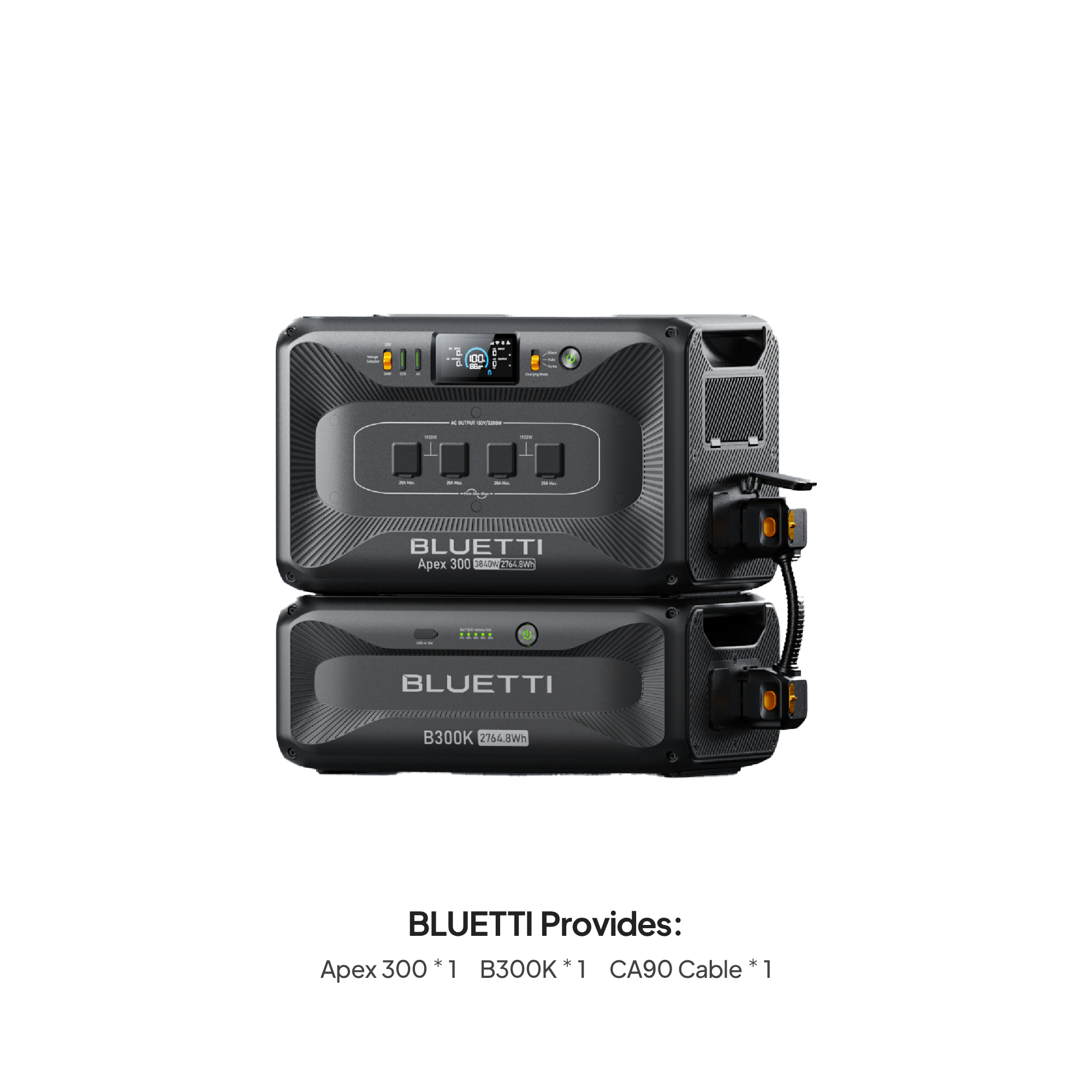
The practical value of a power station on an extended trip depends on what it can actually run. Output ports vary across the lineup, and so does the balance between portability and raw watt capacity. The list below outlines some of these differences as stated across product listings.
- The EB70S includes 4 AC outlets rated at 120V, 2 USB-A ports rated at 5V/3A, and a 15W wireless charging pad built into its case.
- The EB70S also offers 2 PD ports rated at 100W and 2 regulated 12V/10A DC outputs, plus a separate 12V/10A car port for vehicle-style accessories.
- The Elite 300 delivers 2,400W of continuous output with a 4,800W lifting capacity for short bursts of higher demand.
- The Apex 200 reaches up to 3,600W of output and can be configured for up to 6kW of parallel power in larger setups.
- The Elite 100 V2 supports up to 1,000W of solar input alongside its separate 1,200W AC TurboBoost charging feature.
Larger units trade some portability for higher output and more expansion room, while compact models prioritize weight and charging speed. Choosing between portable power stations often comes down to matching these port counts and output figures to the devices that actually need powering on a given trip. A short weekend near a trailhead calls for different specifications than a week spent fully off-grid.
Product pages consistently pair wattage and capacity figures with specific use cases, from RV hookups to UPS-style backup for sensitive electronics, across both the Elite and Apex lines. That level of detail helps clarify which unit suits a particular kind of outdoor stay. Finding the right bluetti power configuration depends on matching the available capacity and charging methods to the demands of the specific trip.