Picking between New Balance Fresh Foam vs ABZORB is less about brand loyalty and more about how a midsole behaves under repeated impact. Both platforms show up across the current lineup, from road-focused trainers to casual-leaning silhouettes, and each is built around a different cushioning approach. joesnewbalanceoutlet carries both families side by side, which makes a direct comparison easier to work through before committing to a pair.
Fresh Foam Technology: Lightweight Responsiveness Across the Range
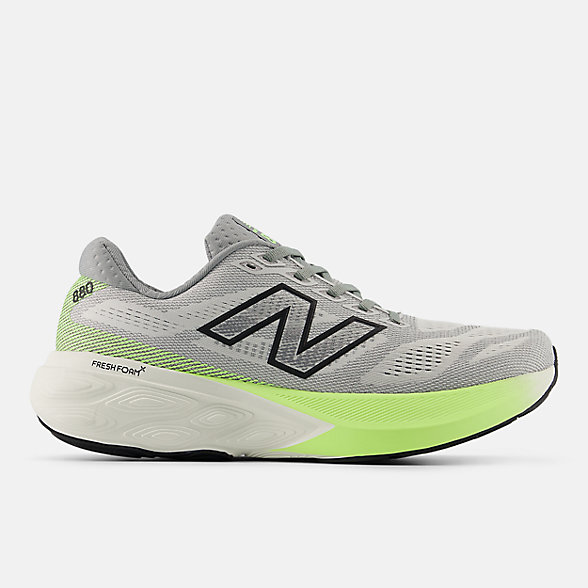
Fresh Foam is a single-piece foam midsole, molded as one continuous unit rather than built from separate layers or inserts. That construction keeps weight down because there is no added material for a second density layer or a protective shell. The New Fresh Foam X 880v15, available through joesnewbalanceoutlet, uses this approach in a shoe built for regular road mileage, and the platform’s lighter build is what gives it the responsive feel marketed across the range.
A one-piece foam midsole also flexes more uniformly underfoot, since there is no seam between a cushioning layer and a separate protective pod. That uniform flex is why Fresh Foam reads as smoother at faster paces compared to a sole built from distinct zones. joesnewbalanceoutlet lists Fresh Foam across multiple categories, including kids’ and women’s styles, which shows the platform is not confined to one shoe design.
ABZORB 2000: Bold Comfort and Impact Protection
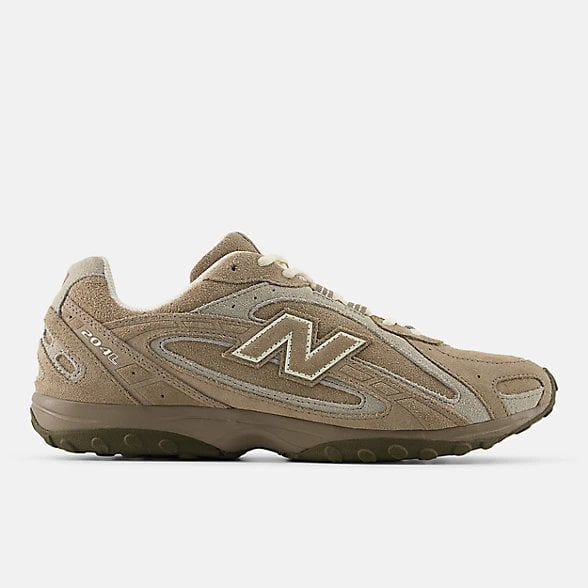
ABZORB 2000 takes a different structural route, built around dedicated cushioning material placed at key impact zones rather than a single uniform foam block. That targeted placement is what the brand describes as bold comfort in motion, since the material is concentrated where heel strike or forefoot loading happens hardest. The ABZORB 2000 model available through joesnewbalanceoutlet comes in a unisex fit, which broadens who the shoe is built to serve.
Because the cushioning sits in specific zones rather than running the length of the sole, ABZORB tends to feel firmer in transition areas and more cushioned right at contact points. That is a structural trade-off, not a marketing choice. A sole built this way generally carries a bit more material than a single-density foam design, which is part of why ABZORB shoes read as sturdier underfoot than Fresh Foam models.
Fresh Foam Roav and Fresh Foam Arishi v4: Entry Points to Responsive Running
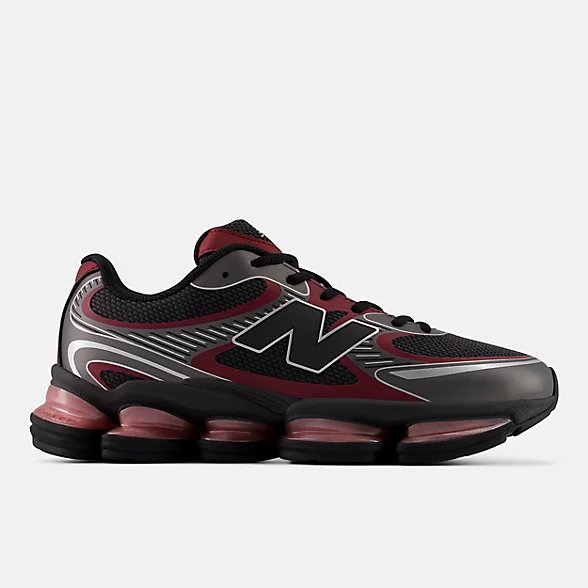
The Fresh Foam Roav, offered in a men’s fit, pairs the Fresh Foam midsole with a simpler upper construction, keeping the design focused on everyday wear rather than racing. It is a straightforward reference point for understanding what Fresh Foam represents before weighing it against ABZORB. The uncomplicated upper also means less structure around the foot, which lets the midsole’s flex do more of the work.
The Fresh Foam Arishi v4, available in new Tiralux colorways for women, carries the same midsole concept into a different silhouette. Both models rely on the identical cushioning foam even though their uppers and styling differ noticeably. That consistency shows how one cushioning platform gets applied across more than one shoe design without changing its underlying structure.
How ABZORB Differs from Fresh Foam in Daily Training
Daily training puts repeated stress through the same contact points mile after mile, and the two platforms respond to that differently because of how their cushioning material is arranged. Fresh Foam’s continuous foam spreads impact evenly along the stride, while ABZORB concentrates denser material right where ground contact is heaviest. That structural distinction, rather than any marketing phrase, is what actually separates New Balance Fresh Foam vs ABZORB in daily wear.
In practice, the choice often comes down to whether a runner favors even, lightweight flex or firmer, zone-specific protection. Neither layout is framed by the brand as superior; they simply solve the cushioning question with different material placement. Comparing ABZORB vs Fresh Foam directly remains a reasonable way to judge the difference, and stocking both lines together is effectively what joesnewbalanceoutlet invites shoppers to do.
New MX608v5 and 237: Versatility Beyond Pure Cushioning Technology
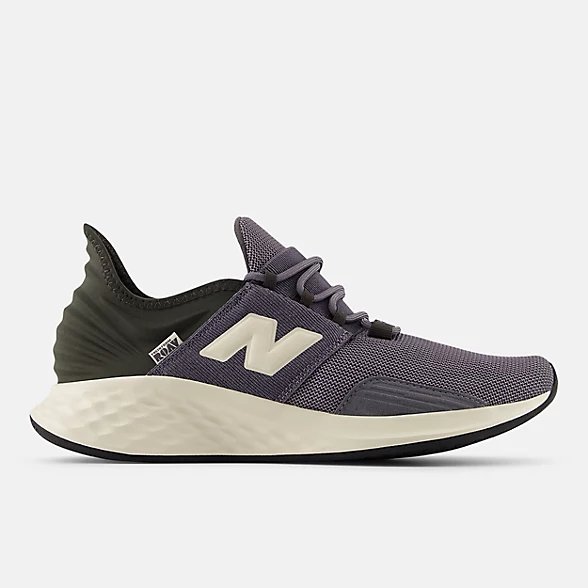
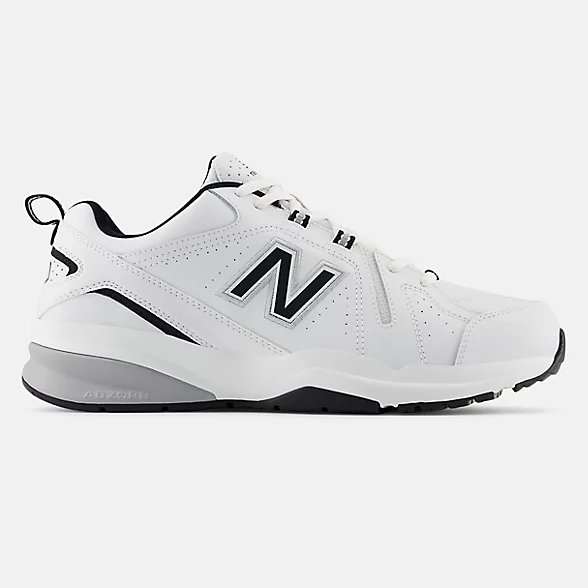
Not every shoe in the lineup is built primarily as a cushioning showcase. The New MX608v5, a men’s model, and the 237, offered in both unisex and women’s versions, represent styles where cushioning technology shares space with everyday versatility rather than headlining the design. These models round out a range that extends past just Fresh Foam or ABZORB.
That broader range matters because not every runner is shopping purely for a cushioning platform. Some want a shoe that moves easily between training sessions and casual wear, which is where a style like the 237 fits in. These models sit alongside the more cushioning-focused Fresh Foam and ABZORB lines at joesnewbalanceoutlet, giving a fuller picture of the current catalog.
Choosing Between the Two Platforms Based on Running Style
Settling the New Balance Fresh Foam vs ABZORB question usually comes down to a few concrete factors rather than one universal answer. Fit, typical mileage, and preference for even flex versus zone-specific protection all factor in. The list below summarizes the main distinctions worth weighing.
- Fresh Foam uses a single continuous foam midsole, which keeps weight down and spreads flex evenly through the stride.
- ABZORB 2000 places denser cushioning material at specific impact zones, which adds some structure and firmness in transition areas.
- Fresh Foam appears across multiple categories, including the Fresh Foam Roav and the Fresh Foam Arishi v4.
- ABZORB’s zone-based layout generally carries more material than Fresh Foam’s one-piece design.
- Models like the New MX608v5 and the 237 show that not every pair in the range is built around one cushioning technology alone.
Fit still matters as much as midsole structure, so trying on a pair before judging it purely by platform name is worth doing. A lighter trainer built on Fresh Foam suits a different rhythm than a sturdier, ABZORB-based pair with concentrated cushioning. Either direction, the decision rests on how the midsole’s material layout matches a particular stride, not on one platform outranking the other.
Midsole material placement, not branding, is ultimately what separates these two platforms underfoot.