Experienced gardeners often reach a point where generic seed advice stops being useful, and the real question becomes which category of seed actually fits a long-term growing plan. The heirloom vs open-pollinated seeds distinction sits at the center of that question, since every heirloom is open-pollinated but not every open-pollinated variety qualifies as an heirloom. Understanding where those categories overlap and where they diverge helps shape smarter seed selection for seasons to come.
What Defines Heirloom Seeds in the SeedsNow Collection
Heirloom seeds carry a history behind them, often passed down through generations of growers who kept the same variety alive by saving and replanting it. seedsnow lists heirloom varieties such as the Green Globe artichoke and the Long Green Louisiana eggplant, both tied to specific regional growing traditions. These varieties are also non-hybridized, meaning their genetic makeup has not been crossed and fixed through modern breeding programs.
That lineage matters because it connects each variety to a documented origin rather than a recent breeding project. The Casper eggplant, a rare white heirloom in the seedsnow catalog, illustrates this well with its ivory skin and mushroom-like flavor noted on the product description. Such traits persist precisely because the variety has been maintained without alteration over time.
Open-Pollinated Seeds and Their Role in Home Gardens
Open-pollinated seeds are pollinated by natural mechanisms such as wind, insects, or birds, rather than through controlled hybridization. Every heirloom falls under this umbrella, but plenty of open-pollinated varieties have no extended multi-generational history attached to them. They may be relatively newer releases that still breed true from one season to the next.
seedsnow describes its full range as heirloom, organic, non-GMO, non-hybridized, and open-pollinated, which places open pollination at the core of the entire collection rather than as a separate side category. This structure gives gardeners access to varieties that reproduce reliably without needing an heirloom pedigree attached. For seasoned growers comparing heirloom vs open-pollinated seeds side by side, this is often the first practical distinction to register.
The Genetic Stability Gap Between Heirlooms and Open-Pollinated Varieties
Genetic stability refers to how consistently a variety reproduces the same traits generation after generation. Heirlooms, by definition, have already proven that stability across many growing cycles, since their open-pollinated nature was tested repeatedly by the growers who kept them going. A newer open-pollinated variety, by contrast, may still be settling into that same level of predictability.
This does not make open-pollinated seeds unreliable. It simply means the heirloom distinction adds a layer of historical confirmation that a given plant will grow true to type. Gardeners weighing heirloom vs open-pollinated seeds for trait consistency often lean on this historical track record as a deciding factor.
Seed Saving and Reproduction: Which Varieties Support Long-Term Preservation
Both heirloom and open-pollinated seeds support seed saving, since neither category involves the sterile or unpredictable offspring associated with hybrids. That means a gardener can collect seed from either type at the end of a season and expect a similar plant the following year. This is one of the clearest practical advantages shared across both categories.
The difference emerges in how long that predictability has been tested. Heirloom varieties have typically been saved and replanted across many seasons already, sometimes within the same family or community of growers. Open-pollinated varieties without that heirloom status may still reproduce reliably, but without the same depth of documented continuity behind them.
- Heirloom seeds carry a documented multi-generational history, while open-pollinated seeds may lack that extended lineage.
- All heirlooms are open-pollinated, but not all open-pollinated varieties are classified as heirlooms.
- Heirloom varieties are non-hybridized and have been stabilized through repeated seed saving over time.
- Open-pollinated seeds reproduce through natural pollination rather than controlled hybridization.
- Both categories allow seed saving from one season to the next, unlike hybrid varieties.
- Heirloom varieties often trace back to specific regional or cultural growing traditions.
Flavor, Yield, and Growing Performance Across Heritage Varieties
Product descriptions across the seedsnow catalog highlight distinct flavor and performance traits tied to individual heirloom varieties. The Black Beauty eggplant is described as a reliable cultivar producing large, glossy fruits with deep black-purple skin and creamy texture. The Florida Market eggplant, meanwhile, is noted as a classic variety with a long record of reliable performance in both home and commercial settings.
These descriptions point to real differences in texture, size, and culinary character between individual varieties rather than between the heirloom and open-pollinated categories as a whole. The Long Ping Tung eggplant is noted for abundant yields suited to stir-fries and curries, reflecting its Taiwanese origin. Comparing specific varieties, rather than only comparing categories, often reveals the differences that matter most for yield and flavor.
Building Collections with Heirloom and Open-Pollinated Seed Packs
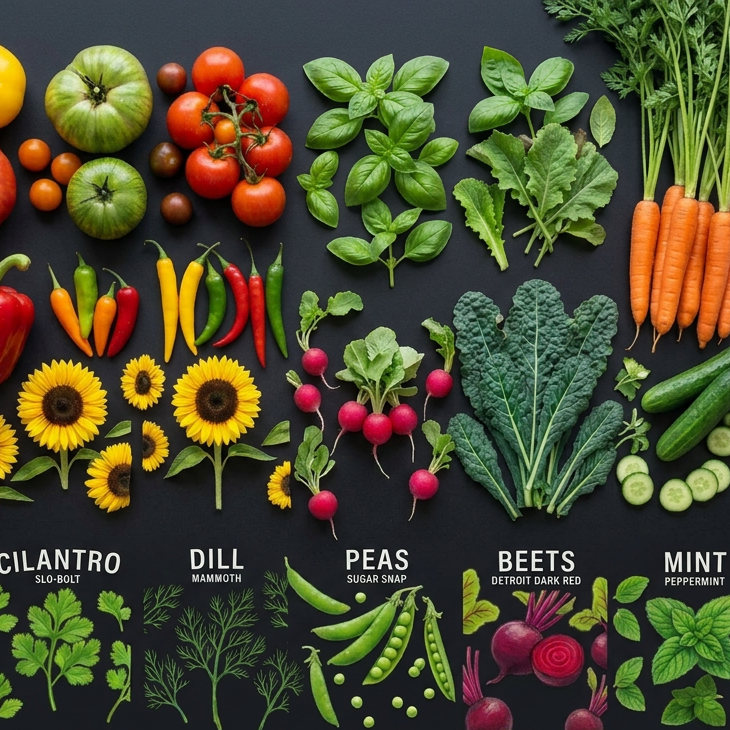
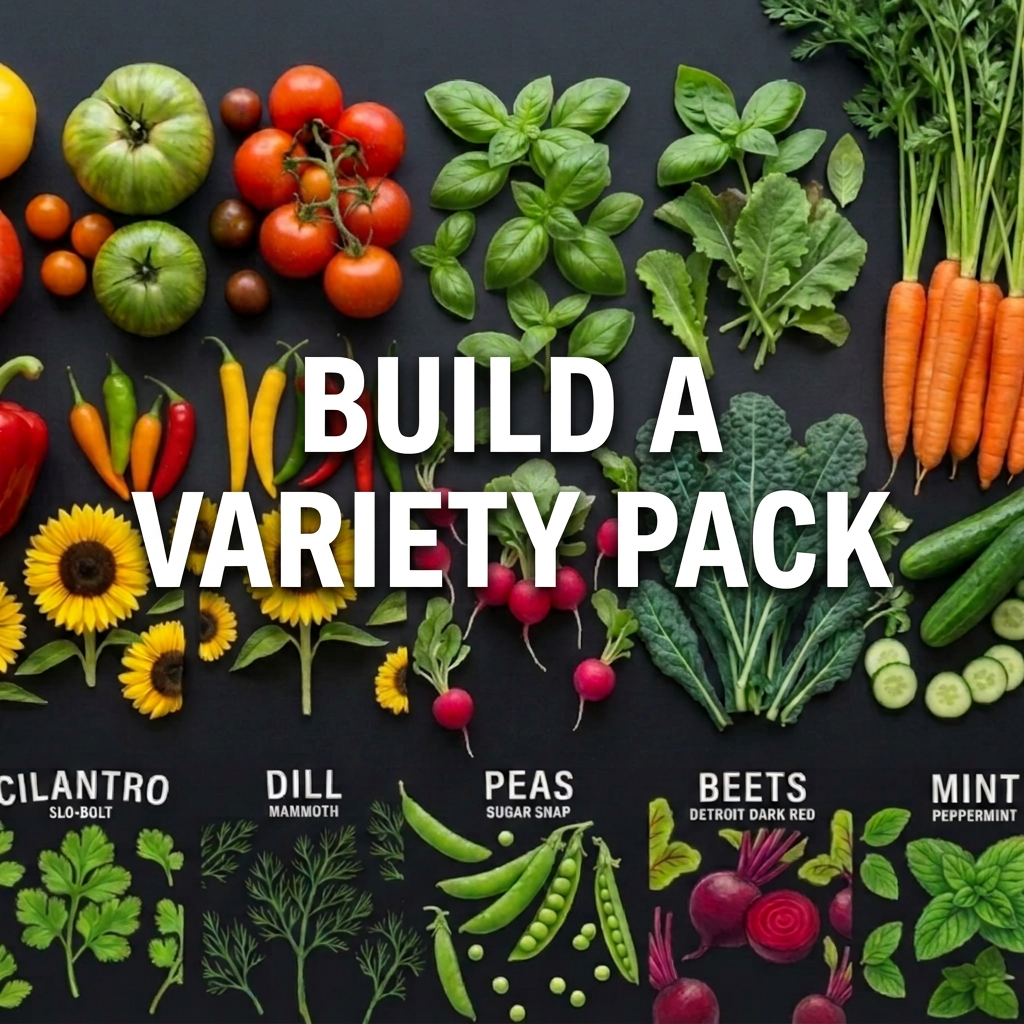
seedsnow offers several ways to assemble a collection across both categories rather than buying single packets in isolation. The Build a Variety Pack option allows a gardener to select seed types that get hand-picked according to USDA grow zone and stated preferences. The Cool-Season Garden Variety Pack, built around grow zone, bundles 15 cold-hardy varieties suited to fall and winter growing.
Beyond one-time packs, the Seeds-of-the-Month Seed Club delivers hand-selected varieties on a recurring basis, with Basic and Pro plan options available. There is also an All-in-One Garlic Garden Variety Pack for gardeners focused specifically on garlic. Across all of these formats, the heirloom vs open-pollinated seeds distinction continues to matter when deciding which varieties to add to a given collection.
Heritage varieties will keep drawing experienced gardeners back for one simple reason: predictability earned over time. That is the real thread connecting heirloom and open-pollinated seeds alike.