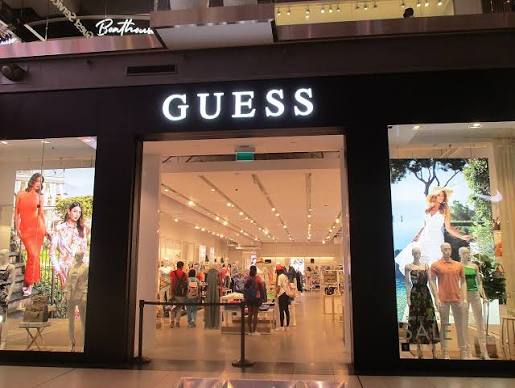
Denim and athleisure form two of the clearest pillars in how the label organizes its site, each built around a different wardrobe logic rather than just a different tab on a page. Looking at denim and athleisure side by side shows two categories meant to be shopped differently, not just labeled differently. This breakdown examines what separates them, how the surrounding categories connect to each, and why the navigation reflects distinct wardrobe starting points rather than a single casual bucket.
The Denim Range Within Collections
Denim is listed as its own category on the site, placed directly alongside Accessories, Athleisure, Bags, and Shoes in the main navigation. That placement signals it is treated as a standalone pillar rather than a subsection of general casualwear. Jeans and denim separates have long been a recognizable anchor for the brand, and giving denim its own dedicated slot keeps that association visible to anyone scanning the lineup.
Unlike athleisure, denim pieces tend to be built around fit and wash rather than stretch or performance fabric. That distinction is likely the main reason the two sit apart in navigation instead of sharing one casual tab. Because of it, denim campaigns, such as the current Summer Edit push, can run on their own timeline without competing for space with dresses or eyewear. The way Guess structures its denim section reflects how central fitted, washed denim remains to the brand’s identity.
Athleisure as a Separate Category in the Lineup
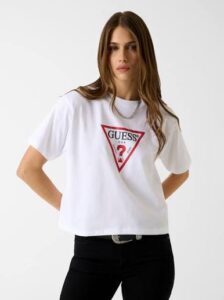
Athleisure also gets its own labeled section, distinct from both Denim and Shoes, appearing directly in the category carousel rather than folded into general sportswear. That distinction matters because athleisure is typically associated with comfort-driven fabrics and looser silhouettes, a different design brief than denim’s structured cuts and washes. Keeping the two apart in navigation reflects that underlying difference rather than just tidying up a menu.
Because athleisure sits apart from denim, each section can build its own seasonal rhythm instead of mixing joggers and jeans into one undifferentiated casual tab. That structure helps anyone who shops one category more heavily than the other, since it avoids sorting through items built for a different purpose. In addition, Guess positions the two as recognizably separate wardrobe starting points rather than one blended casual grouping.
How Accessories Complete Denim and Athleisure Looks
Accessories occupy a slot between the clothing categories and the footwear listing, appearing right next to Athleisure and Bags in the same carousel. That placement suggests the category is meant to bridge denim-based and athleisure-based outfits rather than stand entirely apart from either one. For a repeat shopper, that adjacency is a telling detail about how the two core categories are expected to be styled together rather than treated as separate wardrobes.
Because Guess Accessories sits in the same navigation group as Denim and Athleisure, seasonal pushes for one category often surface alongside the others in the same scroll. That context explains why an accessory piece might appear during a denim-focused campaign window instead of following its own separate schedule.
Beachwear and Seasonal Edits: When the Range Expands
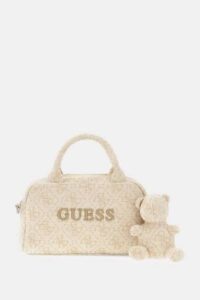
Beachwear closes out the carousel after Shoes rather than being folded into Athleisure. That placement indicates it is treated as its own seasonal line rather than a variant of relaxed or sport-driven clothing. The distinction matters for anyone trying to anticipate when new stock will surface outside the core denim and athleisure rotation, since beachwear tends to follow a narrower seasonal window than year-round staples.
Named seasonal promotions, including the Summer Edit and a Paradise Found dress push, sit above the standard category navigation and layer on top of the core lineup rather than replacing it. The program also runs standalone campaigns tied to eyewear, separate from both the clothing categories and Beachwear. For someone familiar with the usual structure, spotting one of these named edits is a signal that a particular category, such as Beachwear, is being surfaced more heavily than usual. Guess uses these focused promotional windows to highlight specific wardrobe sections without disrupting the standard navigation experience.
Bags and Footwear as Essential Complements
Bags and Shoes round out the navigation list, each with a dedicated category rather than being grouped under Accessories. That distinction means footwear and handbags can be searched independently of smaller accessory items like jewelry or belts. On a site organized this way, a shopper focused on denim and athleisure pieces can still move directly to Bags or Shoes without extra filtering, which keeps the two core categories from feeling boxed in by everything around them.
- Denim is listed as its own navigation category, built around fit and wash rather than stretch fabric.
- Athleisure has a dedicated section centered on comfort-driven, looser pieces rather than structured cuts.
- Accessories sits between the clothing categories and footwear, linking denim and athleisure outfits rather than replacing either.
- Beachwear appears as a distinct, narrower seasonal category tied to pushes such as the Summer Edit.
- Bags and Shoes each have their own listing, keeping footwear and handbags separate from smaller accessory items.
The navigation structure mirrors how shoppers actually move through and layer different clothing categories when planning a wardrobe.