The computer market spans far more than a single device category, and Asus covers most of it at once. From gaming laptops and workstations built for sustained performance to displays, motherboards, and networking gear, the company’s catalog reads like a map of how people actually use computers today. This overview looks at where each product line sits and what it is built to do.
What Asus Builds: Laptops, Desktops, Monitors, and Components
Asus organizes its range around how people actually work rather than around a single flagship device. The lineup includes laptops for home, work, creators, students, and gaming, alongside desktops, all-in-one PCs, mini PCs, and dedicated workstations. Monitors, motherboards, and components round out the offering, giving builders and upgraders a path that does not depend on a single finished machine.
Accessories and software extend that range further. MyASUS, for instance, is a support application that helps maintain a system, update drivers, and reach customer service without lengthy email exchanges. That kind of supporting software sits alongside the hardware rather than replacing it, which is a theme that carries through most of the brand’s segments.
Gaming Performance With Asus TUF Gaming Laptops
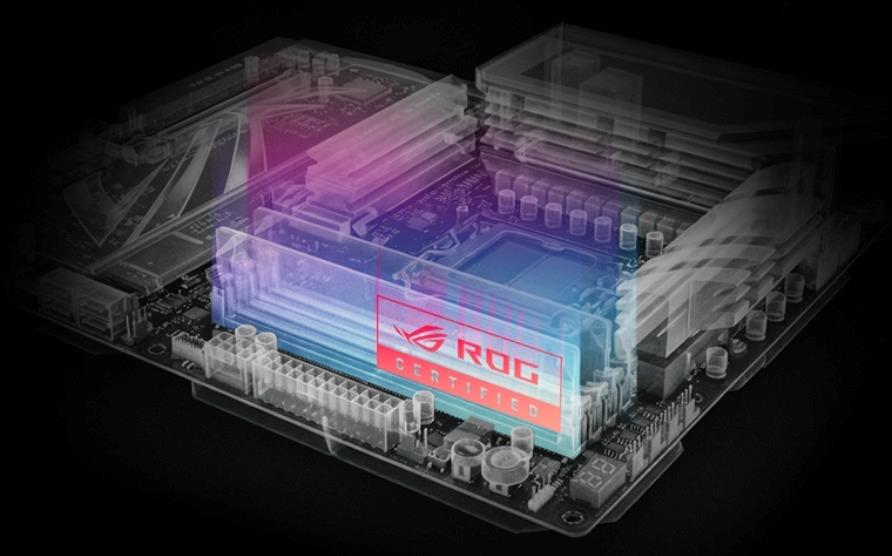
TUF Gaming is where the brand concentrates its durability-first approach to gaming hardware. On the component side, the TUF Gaming GeForce RTX 5060 8GB GDDR7 OC Edition graphics card illustrates the philosophy well, with three AXIAL-TECH fans, Dual BIOS offering Performance and Quiet modes, and military-grade components aimed at cooling and reliability. Reviewers cited in its own listings described it as sitting near the top of its class for build quality and overclocking headroom.
That same TUF identity extends to motherboards. The TUF Gaming X570-Plus combines game-ready features with a TUF Gaming Armor design, ProCool connectors, Dr. MOS power delivery, and support for addressable RGB lighting through Aura Sync. It is also part of the TUF Gaming Alliance, a collaboration with other component makers meant to simplify matching parts and cases. Together, these pieces show how It gaming hardware connects to a broader ecosystem of compatible gaming components, not just standalone machines.
Professional Creation and AI With Asus ProArt Systems

ProArt is the line Asus positions toward creators and, increasingly, AI-assisted workflows. The ProArt P16 and P14 are designed to bring AI capability to both agent-based tasks and creative work, while the ProArt GR1X Mini PC is a compact system meant to keep an AI agent running continuously. This signals a shift where professional creation tools and AI computing are being built into the same product family rather than kept separate.
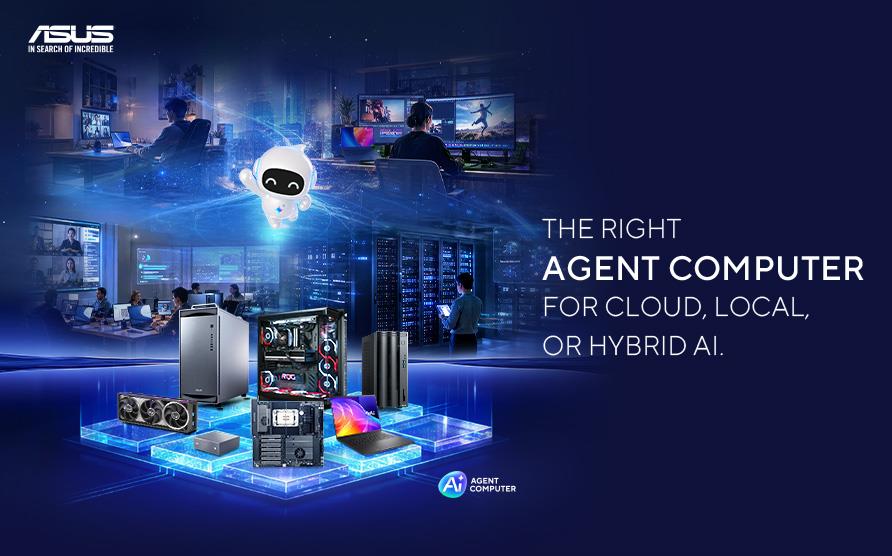
Beyond ProArt, Asus also lists the Ascent GX10 as an agent computer, described as compact, powerful, and scalable for cloud, local, or hybrid AI use. For professionals who need both rendering power and AI responsiveness, these systems sit adjacent to gaming laptops and workstations in the catalog, drawing on overlapping engineering but aimed at creative and technical output instead of play.
Motherboards and Components: Asus Prime and Platform Support
Beyond the TUF Gaming boards, a broader motherboard and component catalog covers different chipsets and platforms. The TUF Gaming X570-Plus, built for the AMD AM4 socket and X570 chipset, supports DDR4 memory, dual M.2 slots with PCIe Gen 4 compatibility, and eight SATA 3.0 ports. It also includes Realtek networking and audio hardware, along with Turbo LAN utility software for traffic prioritization.
These motherboard specifications matter because they define what an entire build, including graphics cards and storage, can actually support. A board’s slot count, memory type, and chipset generation set the ceiling for everything plugged into it afterward. Component pages document cooling options, audio shielding, and connector types in detail, treating these parts as a visible part of the brand identity rather than background hardware.
Gaming Monitors and Display Technology in the Asus Lineup
Displays are listed as their own category within the Asus range, separate from laptops and desktops. The lineup includes monitors, Direct View LED, glasses-style displays, and projectors, reflecting a spread of viewing technologies rather than a single screen type. For laptop buyers, display quality also shows up directly inside systems like the ExpertBook A7, which uses an OLED panel described as delivering vivid color and deep contrast.
That ExpertBook A7 also demonstrates how display choice interacts with portability. The 14-inch Intel model is listed at 1 cm thin and 1.2 kg light, and Asus‘s own product page describes its battery as offering up to 26 hours of uninterrupted use with fast-charging to 50 percent in 30 minutes. While this particular model targets work rather than gaming, it shows how screen technology pairs with chassis engineering across the wider range, a pairing that also matters for The brand gaming laptops and workstations where display response and portability both factor into the buying decision.
Asus’s Range Across Consumer, Business, and Creator Markets

Looking across the whole catalog, the laptop range splits specifically by audience, offering separate lines for home, work, creators, students, and gaming use. Business-focused devices such as the ExpertBook A7 lean on security, durability, and features like MyExpert, an AI-assisted toolset for organizing documents and summarizing content. Meanwhile, consumer lines like Zenbook emphasize design, and gaming-oriented hardware leans on TUF’s durability-focused engineering.
The following list summarizes the primary categories within this range and the main use case each one addresses.
- Gaming laptops are built for sustained frame rates and durability during extended play sessions.
- Professional workstations, such as ProArt systems, are aimed at rendering, design, and other creative production work.
- AI agent computers, including the Ascent GX10 and ProArt GR1X Mini PC, are built to run AI workloads continuously across cloud, local, or hybrid setups.
- Monitors and other display formats cover a range of viewing needs from everyday use to specialized visual work.
- Motherboards, like the TUF Gaming X570-Plus, provide the platform foundation that determines compatible memory, storage, and expansion options.
- Routers and networking products extend coverage and support features such as AiProtection for home network security.
- Accessories round out the lineup with peripherals and supporting hardware for the systems above.
Across every one of these categories, the throughline is specialization rather than a single universal machine. A business laptop is not engineered the same way as a graphics card meant for overclocking, and a monitor serves a different need than a motherboard. That specialization is part of why Asus gaming hardware and workstations occupy a distinct place from the brand’s AI agent computers or its display lineup, even though all of them share underlying engineering practices. More details on the current lineup can be found through Asus’s own product pages.
Closing Thought
As AI features move deeper into consumer and professional hardware, the boundaries between gaming systems, workstations, and dedicated agent computers will likely continue to blur.