Automatic vs quartz watches sit at the center of one of the oldest debates in horology, mechanical self-winding against battery-powered precision. Watches of Australia carries both movement types across its catalogue, letting shoppers compare self-winding calibres against quartz-driven alternatives in one place. This piece looks at how the two technologies differ in operation, design, and collector appeal, drawing on specific models from the current range.
Understanding Automatic Movement: Self-Winding Mechanical Watches
An automatic watch runs on a mechanical movement powered by the natural motion of a wrist. Instead of a battery, a rotor spins inside the case and winds the mainspring as the wearer moves through the day. This is the defining trait separating automatic vs quartz watches at a technical level, since one relies on kinetic energy and the other on stored electrical charge.
Because automatic movements contain many small moving parts, collectors often associate them with traditional watchmaking rather than modern electronics. The appeal frequently centers on the visible mechanism itself rather than on raw timekeeping precision. That mechanical character recurs across several automatic references currently listed by Watches of Australia.
Seiko and Citizen Automatic Watches: Precision Engineering in the Collection
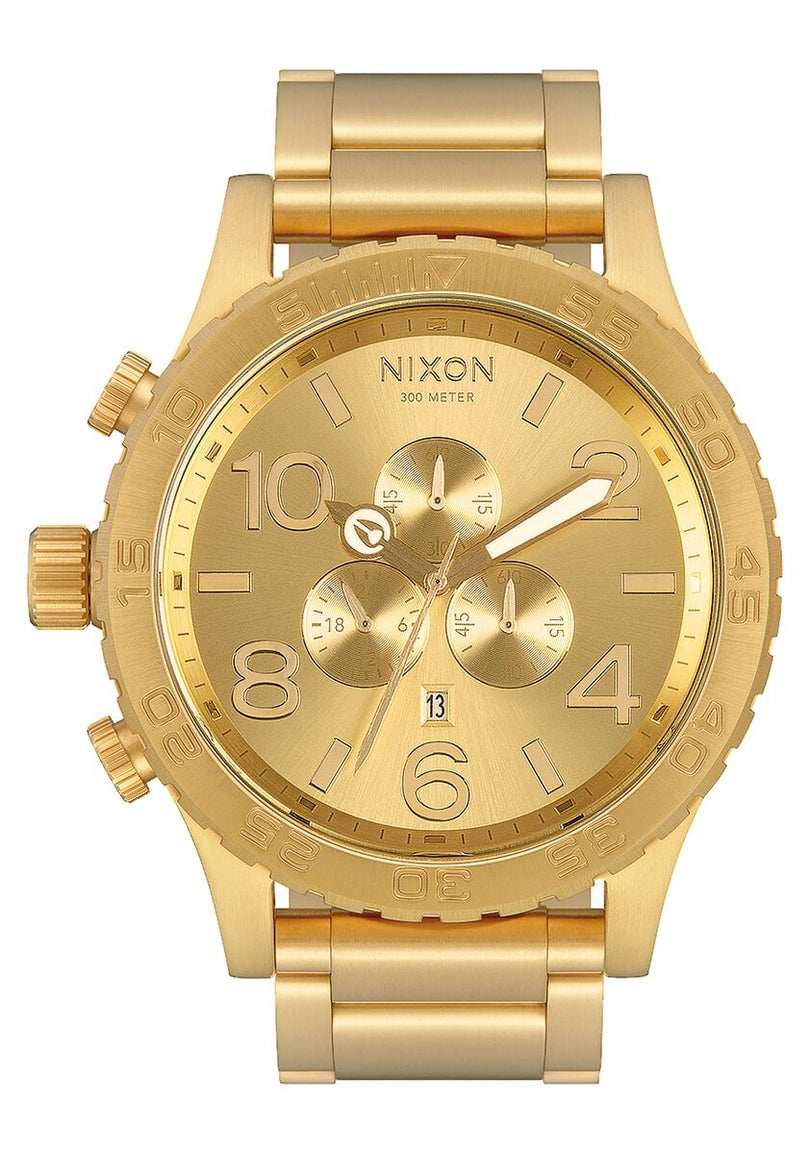
The Seiko 5 Sports Automatic Gold Watch, model SRPK18, is driven by a self-winding mechanical movement and pairs a day-date aperture with a sunray gold dial. It comes on an integrated stainless steel link bracelet, giving it a cohesive sports-oriented look. This model is one of the more recognisable automatic references in the current lineup.
Citizen contributes several automatic references as well, including the Tsuyosa line in 40mm stainless steel cases. The Dreamy Pink Dial version, reference NJ0158-89X, features a magnified date lens against a pastel pink face. The Green Dial version, reference NJ0150-81X, adds a scratch-resistant sapphire crystal over its luminous indexes and date magnifier, with a smooth self-winding mechanical action noted directly on the product listing.
Quartz Movement Watches: Battery-Powered Reliability and Accuracy
Quartz movements operate differently from their mechanical counterparts. A battery sends an electrical current through a quartz crystal, which vibrates at a steady frequency to regulate timekeeping. This battery-driven approach forms the other half of the automatic vs quartz watches comparison, and it appears across several fashion-forward pieces offered by Watches of Australia.
The Quantum Multi-Function Black Dial Silver Watch, reference ADG1032.350, is a concrete example of this category. Its specification sheet lists a quartz battery movement, a fold-over clasp, a 42mm stainless steel case, and chronograph subdials on a black dial. The listing also confirms a 10 ATM water resistance rating, equivalent to 100 metres, alongside anti-reflective detailing.
Ceramic and Chronograph Watches: Movement Choices Across Style Categories
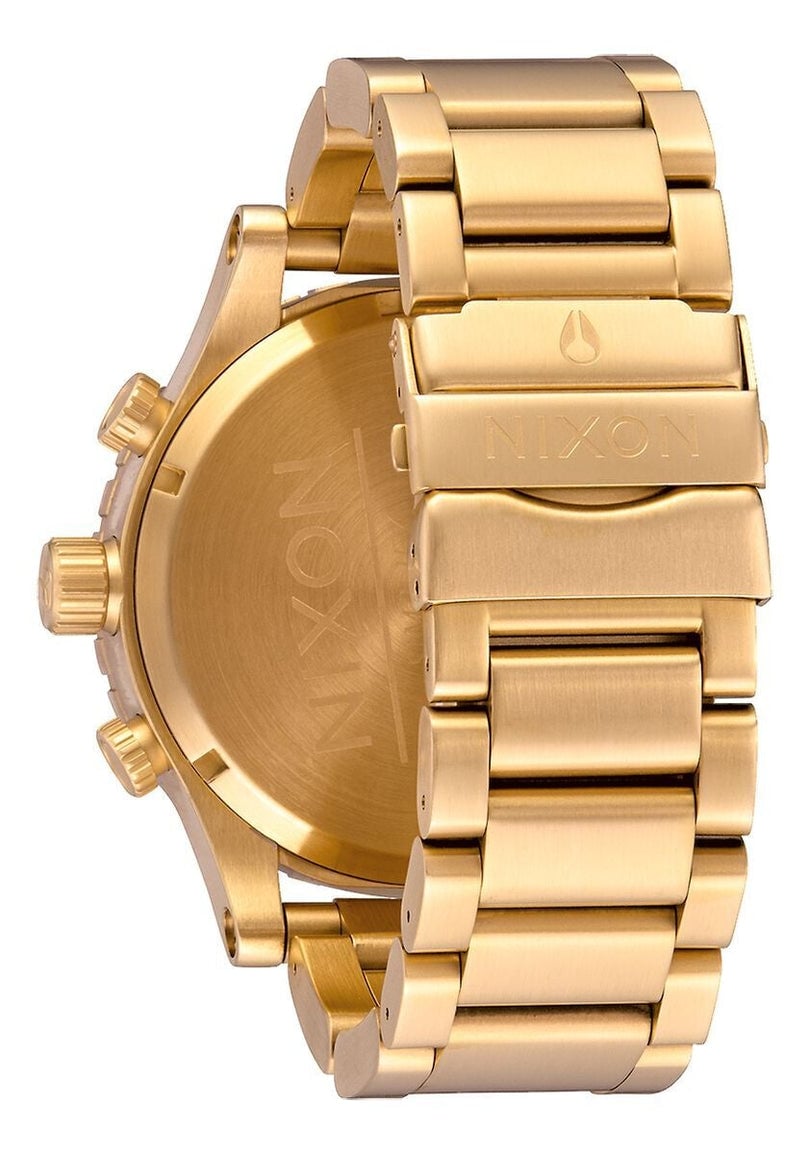
Movement type is not the only variable shoppers weigh when comparing automatic and quartz watches; case material and dial function matter too. The Emporio Armani Chronograph Black Dial Black Ceramic Watch, reference AR1400, uses hypoallergenic ceramic construction with scratch-resistant black ceramic links and integrated chronograph sub-dials. Ceramic cases like this one are often chosen for a smooth, lightweight feel rather than for any particular movement preference.
Chronograph functionality itself appears across both movement types in the broader range. Diesel’s Mega Chief and Mr. Daddy 2.0 chronograph models sit alongside quartz-driven pieces such as the Diesel Mr. Daddy 2.0 Blue Dial Quartz watch. This shows that chronograph timing features are not exclusive to one movement category, and shoppers can find the function in either mechanical or battery-powered form.
Skeleton Dials and Visible Mechanics: When Movement Becomes Design
Some automatic watches turn their internal mechanics into a visual feature rather than hiding them behind a solid dial. The Maserati Potenza Automatic Black Skeleton Dial Watch, reference R8821108039, pairs automatic movement styling with an expressive black skeleton dial that exposes mechanical-inspired detailing. The listing describes it as an engaging option for those who appreciate visible watch mechanics.
The Emporio Armani Sea Explorer Automatic Black Stainless Steel Watch, reference AR60084, follows a similar idea with an intricate skeleton cutout revealing gears inside a dark stainless steel case. Powered entirely by wrist motion, it places mechanical engineering at the center of its design rather than keeping it concealed. These skeleton references show how automatic movement can double as a design statement within the catalogue at Watches of Australia.
Authenticity, Warranty, and Mechanical Longevity at Watches of Australia
Regardless of movement type, every watch listed by Watches of Australia goes through a manual inspection and pre-authentication process before it reaches a product page. Items arrive in their original box and packaging, which matters for both automatic and quartz references alike. This authentication step applies across the full range, from mechanical skeleton pieces to battery-powered multifunction watches.
Purchases also come with a stated 1-year warranty and a 30-day return window on eligible items, and conditions along with a possible restocking fee may apply. Express shipping from Auckland, New Zealand via DHL Express is listed on individual product pages, typically within a 1 to 4 business day window. These policies sit alongside the broader claim of trusted online retail, warranty inclusion, and easy returns.
- Automatic movements draw power from wrist motion, while quartz movements rely on a battery and a vibrating quartz crystal.
- Automatic calibres are generally associated with visible mechanical craftsmanship, such as rotors and skeleton dials, as a point of collector interest.
- Quartz movements are built around a steady electrical oscillation, which is the basis of their reputation for consistent timekeeping.
- Skeleton dials and visible rotors give automatic watches a mechanical visual identity that solid-dial quartz pieces do not usually offer.
- Case materials such as ceramic or stainless steel affect everyday wearability independently of whether the movement inside is automatic or quartz.
In the end, automatic vs quartz watches is less a contest than a matter of what a shopper values on the wrist. The range spans Seiko, Citizen, Emporio Armani, Maserati, and Quantum references across both movement families, leaving case material, dial style, and warranty coverage as the remaining factors to weigh.