
Zadig et Voltaire splits its ready-to-wear into categories that behave quite differently once fabric and cut are examined closely. Looking at Zadig et Voltaire knitwear and dresses side by side shows how material choice and design intent shift depending on what a garment is meant to do. Knitwear leans on yarn and layering ease, while dresses lean on drape, print, and silhouette, and that split runs through the whole collection.
Knitwear as Zadig et Voltaire’s Historical Foundation
Knitwear sits close to the roots of the house, and it still anchors a large share of the ready-to-wear offering. Jumpers and cardigans recur across seasonal drops, and several carry an explicit iconic label within the catalogue. Zadig et Voltaire treats pieces such as the Teiss 100% Cashmere Jumper or the Nalmo Jumper 100% Merino Wool as recurring references rather than one-off items, which is why variations of them keep reappearing.
The category also reflects a practical sensibility. Knitwear works across settings, and the range spans lighter cotton-based knits as well as heavier wool pieces built for colder months. That spread of weights is a large part of why knitwear carries so much weight within the wider collection of Zadig et Voltaire knitwear and dresses.
Cashmere, Merino Wool, and Cotton: Material Hierarchy in the Knits Collection
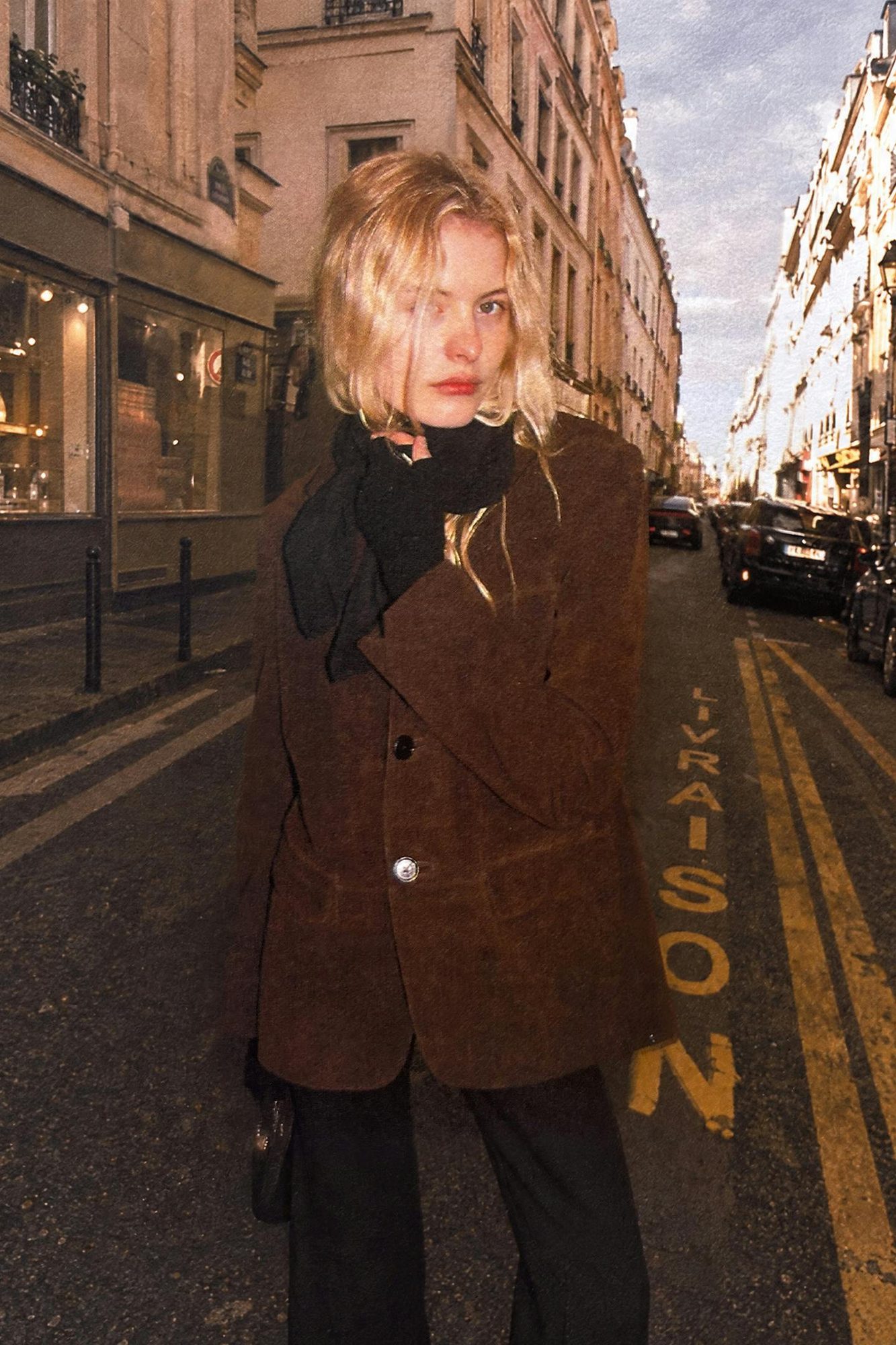
Material choice defines how each knit piece behaves and looks on the body. Cashmere jumpers, including the Teiss 100% Cashmere Jumper and the Kennedy Jumper 100% Cashmere, offer a softer, dressier finish than standard wool knits. Merino wool shows up often too, in pieces such as the Swonny Jumper 100% Merino Wool and the Clash Cardigan 100% Merino Wool, both labeled explicitly by material on the brand’s own listings.
Cotton knits and sweatshirt-adjacent fabrics round out the rest of the range, adding a more casual, everyday texture. This layering, from cashmere down to cotton, lets the knitwear side stretch across occasions without losing a consistent signature. The result is a spread of weights and finishes rather than one uniform fabric approach.
Silk, Satin, and Embroidered Cotton: What Sets the Dresses and Skirts Apart
Dresses and skirts draw on a different design vocabulary than knitwear, built around silhouette and print placement rather than stitch and yarn weight. Where knitwear is built from yarn and stitch structure, dresses depend on cut and surface pattern, and that shift in emphasis changes how each garment reads on a hanger versus on the body. Panels, placement prints, and finishing details carry more weight here than fibre content does for the knits.
Skirts follow a similar logic, pairing structured waistbands with softer, flowing fabric below. This contrast is central to understanding knitwear and dresses as two separate design languages inside one house. That distinction gives the overall collection of Zadig et Voltaire knitwear and dresses a broader range than a single-category label would suggest.
Design Philosophy: Rock and Chic in Knitwear Versus Rock, Folk, and Romantic in Dresses
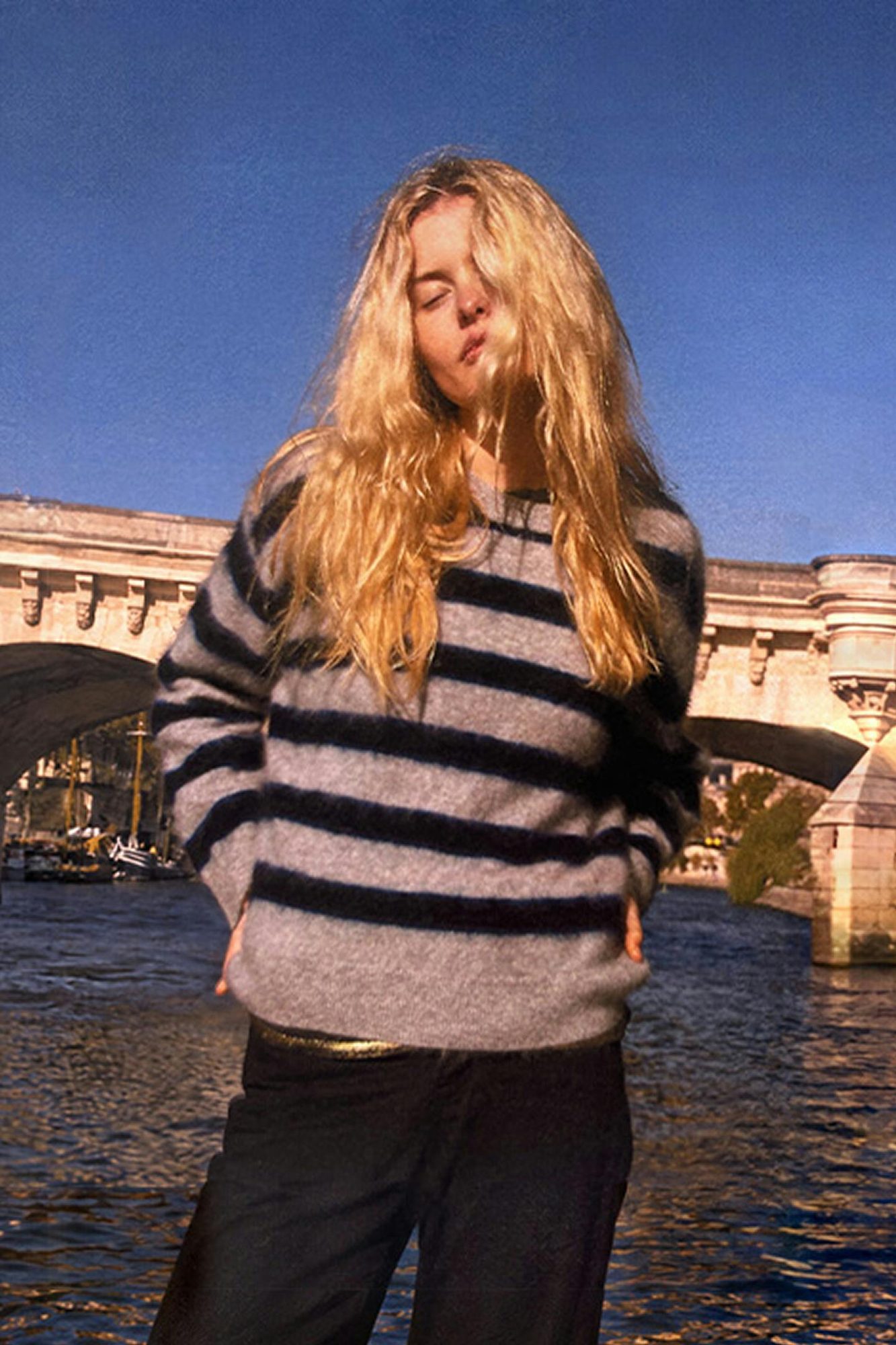
The brand describes its aesthetic in terms of attitude as much as fabric. Knitwear tends to stay close to a rock-and-chic register, favoring clean shapes, graphic details, and a slightly undone finish. Dresses, by contrast, draw on a wider emotional range that spans rock, folk, and romantic references within the same seasonal story.
That difference shows up in silhouette volume and pattern choices on dresses, compared with the more pared-back graphic language of knitwear. Both categories still share a recognizable house identity, but they arrive at it through different routes. The split lets the collection speak to an everyday-wear mood and a more occasion-driven mood within a single seasonal release.
Iconic Pieces and Seasonal Collections Across Both Lines
Across the ready-to-wear range, certain knit styles carry an iconic label, including cashmere jumpers and Merino wool cardigans that return season after season. These pieces act as recognizable anchors, giving a consistent reference point as new colorways and silhouettes are layered onto them. New seasonal collections arrive regularly, refreshing the knitwear lineup without replacing its established core.
Dresses follow their own seasonal rhythm, with new silhouettes and surface patterns introduced alongside returning shape families. The combination of enduring knit icons and rotating dress designs keeps the wider assortment feeling current while still holding on to familiar pieces. This balance extends across the ready-to-wear, leather goods, and accessories offered through Zadig et Voltaire as well.
- Cashmere appears in jumpers such as the Teiss 100% Cashmere Jumper and the Kennedy Jumper 100% Cashmere, giving those pieces a softer handle and a dressier finish.
- Merino wool is used in pieces including the Nalmo Jumper 100% Merino Wool, the Swonny Jumper 100% Merino Wool, and the Clash Cardigan 100% Merino Wool, each labeled explicitly by material.
- Cotton forms the base of many lighter knit and sweatshirt-adjacent styles, supporting a more relaxed, everyday look.
- Dresses rely on cut, print, and silhouette rather than a single named fabric, setting them apart from the yarn-based knitwear range.
- Across both categories, material and construction choices work together to keep the overall collection recognizable from one season to the next.
Styling Flexibility: How Each Category Builds a Zadig et Voltaire Wardrobe
Knitwear and dresses serve different roles when building out a wardrobe. Knit jumpers and cardigans layer easily over shirts or under jackets, which keeps them useful across several outfits. Dresses, on the other hand, tend to stand as a complete look on their own, built around silhouette and detail rather than layering potential.
Because of this, knitwear and dresses end up complementing rather than duplicating each other inside the same collection. Accessories, leather bags, and footwear from the wider range can pair with either category, extending the styling options further. This structure gives the ready-to-wear offering from Zadig et Voltaire a practical spread between everyday layering pieces and statement dressing, available through the brand’s own site.
Seen together, these two categories hint at how far a single house can stretch its design vocabulary without losing a coherent identity.