Preschool years bring a burst of curiosity, and the toys handed to a three- or four-year-old can either feed that curiosity or just flash and beep at it. Wooden toys for preschoolers have stayed popular precisely because they ask children to do the thinking, sorting, stacking, and imagining themselves. Melissa and Doug has built much of its catalog around that idea, positioning itself as a wooden-toy brand for the preschool years and beyond.
What Wooden Toys Offer Preschoolers: Developmental Benefits Beyond Entertainment
Open-ended play happens when a toy does not tell a child exactly what to do with it. A set of blocks can become a tower, a bridge, or a zoo enclosure, depending on the day. This kind of play supports problem-solving, language, and fine motor control, because the child is making the decisions rather than following a script set by a screen.
Wooden toys for preschoolers tend to lend themselves to this style of play naturally. Their simplicity leaves room for a child’s own storylines, and their weight and texture give hands something real to practice gripping, turning, and balancing. That tactile feedback is part of why the category keeps getting recommended by parents and educators alike.
Melissa & Doug’s Approach to Preschool Toy Design: Materials, Safety, and Open-Ended Play
Melissa and Doug describes itself as a brand built on decades of experience creating toys meant for imaginative, hands-on play rather than passive screen time. Wood is used throughout the range whenever possible, chosen partly because it is renewable and durable, and the brand has paired that sourcing choice with a pledge to plant 10 million trees, a target it lists on its learning toys collection page alongside its sustainability commitments.
Several products also carry Forest Stewardship Council certification, which signals a connection to responsible forestry practices. On top of that, the brand states plainly that its products are designed with no screens and no apps involved, just physical toys meant for hours of child-driven play. That combination of sourcing and design philosophy runs through most of the catalog, from baby toys to preschool pretend-play sets.
Pretend Play and Learning Toys: Core Product Lines for Ages 3–5
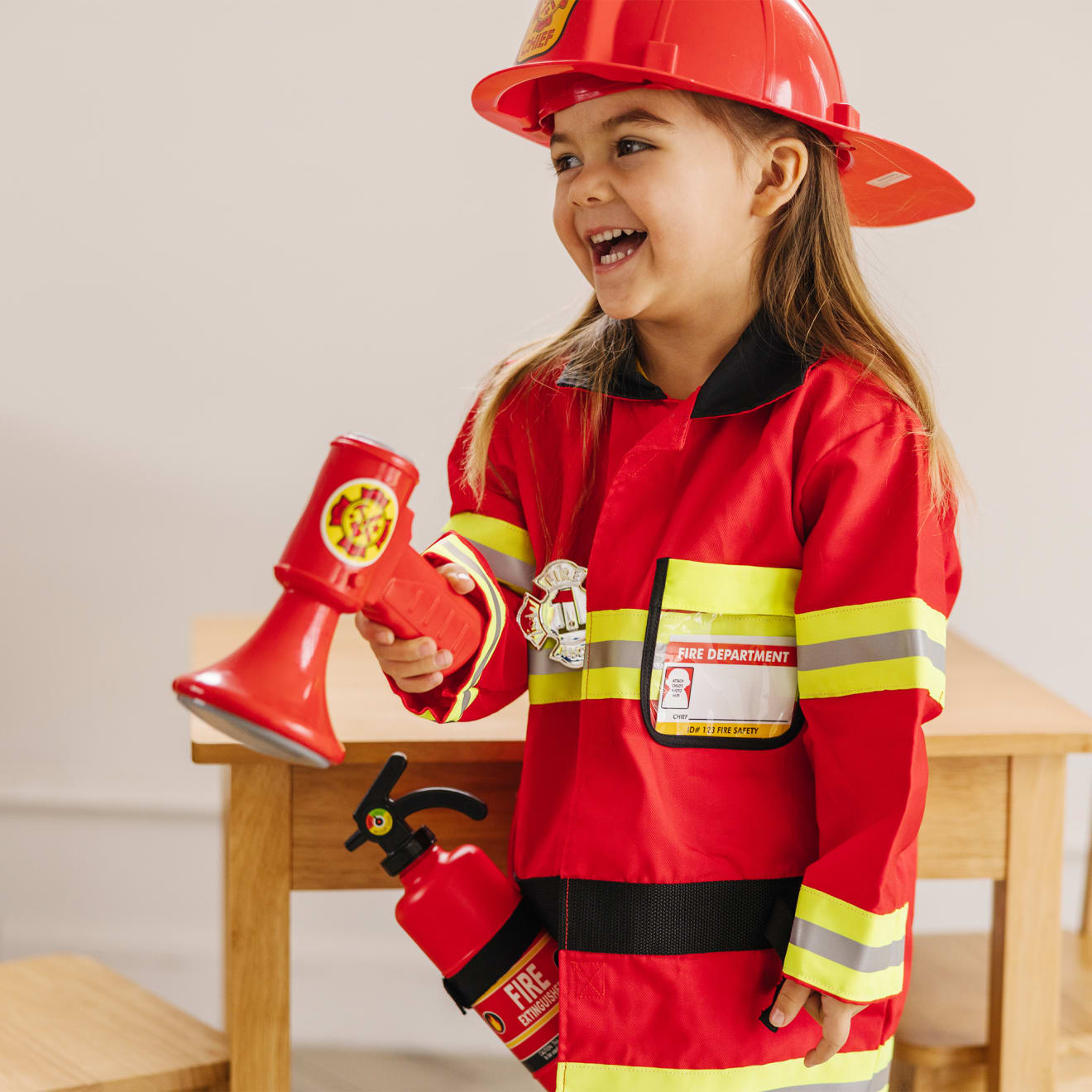
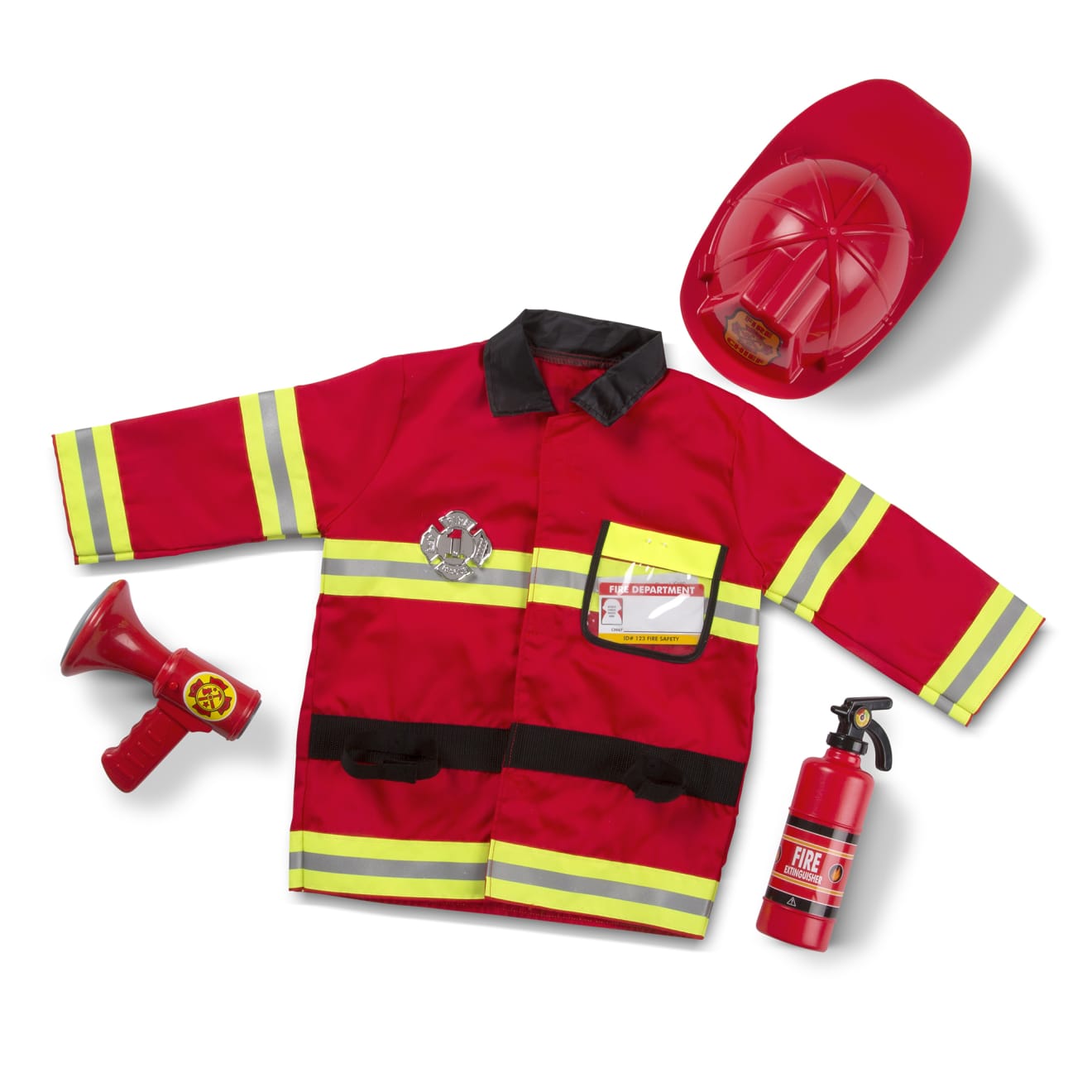
Pretend play is where a lot of preschool development happens, and Melissa and Doug’s range leans heavily into it. The Cheery Lane House Play Set and the Sort, Stock, Select Wooden Vending Machine Play Set both give children a miniature environment to run, complete with props to sort and arrange. The Swirl and Serve Ice Cream Play Set and Super Smile Dentist Play Set work the same way, handing a child a pretend role and letting the storyline unfold however they choose.
Learning toys sit alongside these pretend sets, often blending early academic concepts with hands-on manipulation. The Ms. Rachel Wooden Learning Blocks pair 30 wooden blocks featuring letters, numbers, and pictures with 14 double-sided activity cards, letting children stack, sort, and match while practicing early speech and language concepts. Bundled sets, such as the Disney Princess Royal Play Bundle, combine a wooden block puzzle with stamping activities for a mix of physical and mess-free creative play.
Puzzles, Blocks, and Arts & Crafts: Building Skills Across Age Groups
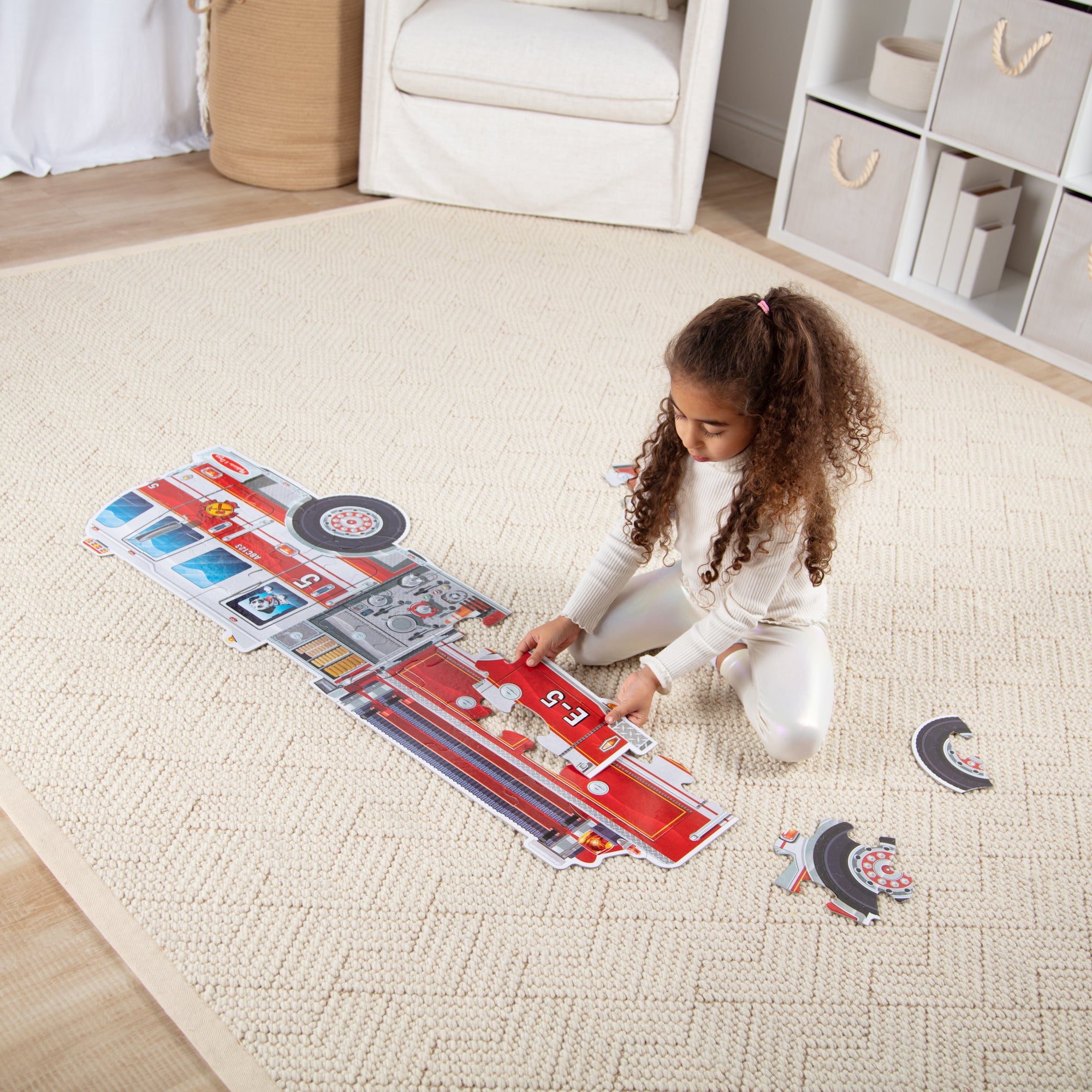
Puzzles and building toys scale up in complexity as children grow, which is part of why Melissa and Doug organizes them across several collections rather than one single line. The Giant Discovery Floor Puzzle Bundle pairs two 48-piece oversized floor puzzles, one prehistoric and one underwater themed, for large-scale assembly play. Blockables, meanwhile, are solid wood building blocks with special connectors that let children aged two and older snap pieces together into dinosaurs or their own creations.
Arts and crafts round out the skill-building side of the catalog. The Deluxe Wooden Standing Art Easel is double-sided, with a dry-erase board on one side and a chalkboard on the other, plus a locking paper-roll holder that fits 12 inch or 18 inch paper, a child-safe paper cutter, four easy-clip grips, and two supply trays. The Take-Along Art & Drawing Play Bundle takes a similar idea on the road, combining a double-sided tabletop wooden easel with a zip-up travel art case.
Baby Toys and Developmental Stages: From Newborns to Toddlers
Before the preschool years arrive, Melissa and Doug‘s baby toy collection addresses the stages that come before it. The Ocean Easy-Fold Play Gym is built for babies from birth to 9 months, with sturdy, pre-assembled wooden arches and a Quick-Close storage feature for caregivers. Sensory toys like the Pineapple Soft Stacker and Market Basket Fill & Spill give infants textures, sounds, and simple stacking challenges suited to very early motor skills.
As children move into toddlerhood, the toys shift toward more active movement and sorting. The GO Tots Barnyard Tumble uses chunky double-sided wooden disks that roll and tumble through a barn structure, while the Wooden Shape Sorting Grocery Cart lets toddlers sort chunky wooden food shapes into puzzle boards built into the cart itself. The brand organizes its site into distinct age collections, which makes it easier to match a toy’s complexity to a child’s current stage.
- The 0–12 months category focuses on sensory discovery, with soft textures, chiming sounds, and simple grasping toys.
- The 1–2 years category introduces stacking, rolling, and early sorting through sturdier wooden pieces.
- The 2–3 years category builds on that with shape sorting, peg puzzles, and basic pretend-play props.
- The 3–5 years category leans into full pretend-play sets, learning blocks, and arts and crafts tools.
- The 6–8 years category shifts toward more complex puzzles, building sets, and independent creative projects.
Screen-Free Play as a Family Priority: Why Wooden Toys Matter
Screen-free play has become something many families actively look for, not just something they stumble into. Melissa and Doug frames its entire catalog around that priority, stating outright that its toys involve no screens and no apps, only kid-powered play. For households trying to balance screen time with other activities, a shelf of wooden toys for preschoolers offers a concrete alternative rather than an abstract goal.
Choosing a wooden toy, in that framing, ties a play philosophy to a material choice, and that pairing is part of what keeps the category visible across age groups rather than just one shelf of the store. It is a combination that keeps this category relevant well beyond any single toy season.
Preschool play does not need a screen to feel rich or engaging. A well-chosen set of wooden toys can carry a child through years of changing interests and skills.