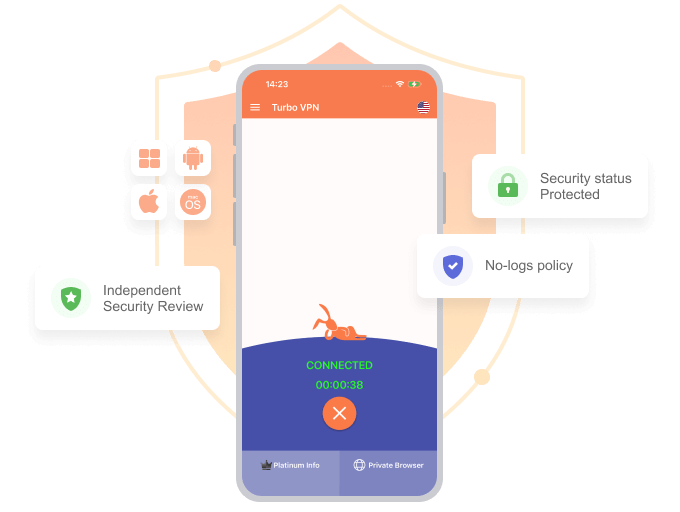
What is a VPN? The question surfaces often in conversations about online privacy, streaming access, and everyday browsing safety. A Virtual Private Network builds a protected pathway between a device and the wider internet, keeping activity away from prying eyes. Understanding the basics makes it easier to see where TurboVPN WW fits for someone exploring this kind of technology for the first time.
What Is a VPN and Why It Matters for Online Privacy
At its core, a VPN reroutes internet traffic through a remote server instead of sending it directly from a device to a website. This matters because, without protection, internet service providers, government agencies, and hackers can potentially monitor or intercept online activity. Asking what is a VPN often leads to the realization that privacy on the open internet is not automatic. A dedicated connection changes that by adding a layer between a device and everything it reaches.
How VPNs Create Secure and Encrypted Connections
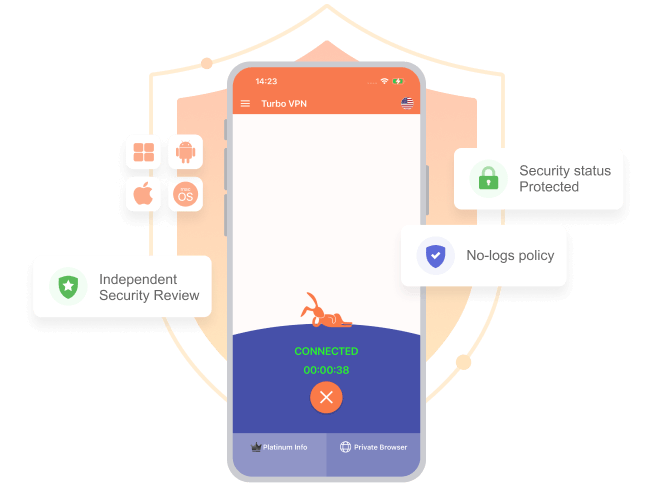
A VPN works by establishing an encrypted tunnel between a device and a server in a different location. TurboVPN WW describes this as creating a secure and encrypted connection between devices and remote servers, so browsing happens without exposing raw data along the way. That encrypted tunnel keeps browsing history, transactions, and messages away from anyone trying to monitor a shared network. As a result, even public Wi-Fi becomes a safer space for everyday use.
Bypassing Geo-Restrictions: Accessing Blocked Content Across Regions
One of the most common reasons people look into what is a VPN is content access. Streaming services, websites, and apps often restrict availability by region, and a VPN changes the apparent location of a device by assigning it a different IP address. The brand highlights this function directly, noting that changing an IP address allows access to websites and streaming content that might otherwise be restricted. This is also relevant beyond entertainment, since some platforms have introduced new regional restrictions tied to age-verification rules in certain countries.
Turbo VPN’s Global Server Network and Fast Protocols
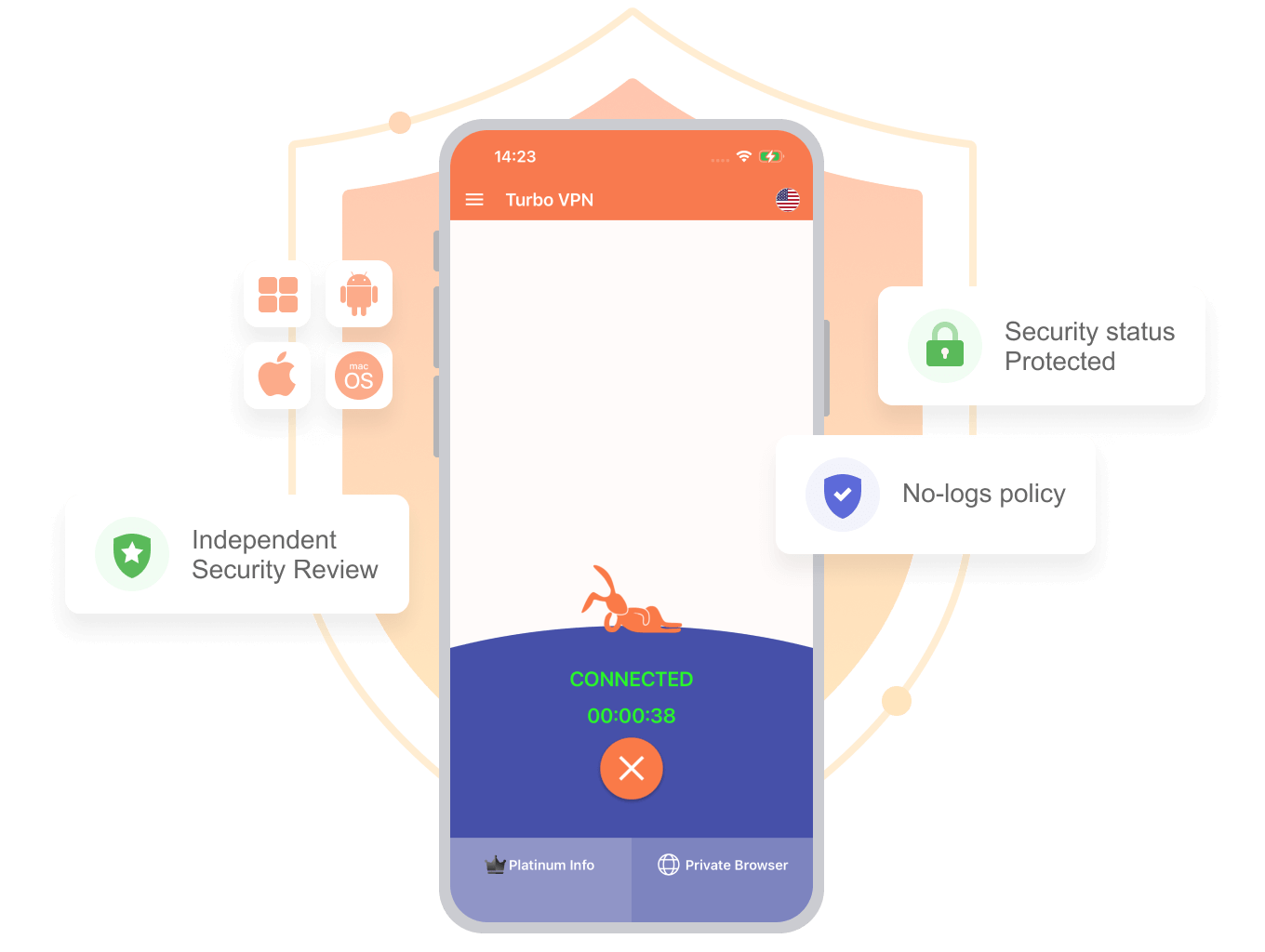
TurboVPN WW operates servers across 111 VPN locations, giving a wide spread of regions to connect through. On top of that scale, the service relies on protocols such as IKEv2, OpenVPN UDP, and L2TP-IPsec, which are recognized for balancing speed with reliability. There are also specialized servers built for gaming and streaming, intended to optimize the connection for those activities. This combination of broad coverage and protocol variety separates a general-purpose VPN from a narrowly built one.
The No-Logs Policy and Privacy Protection in Turbo VPN
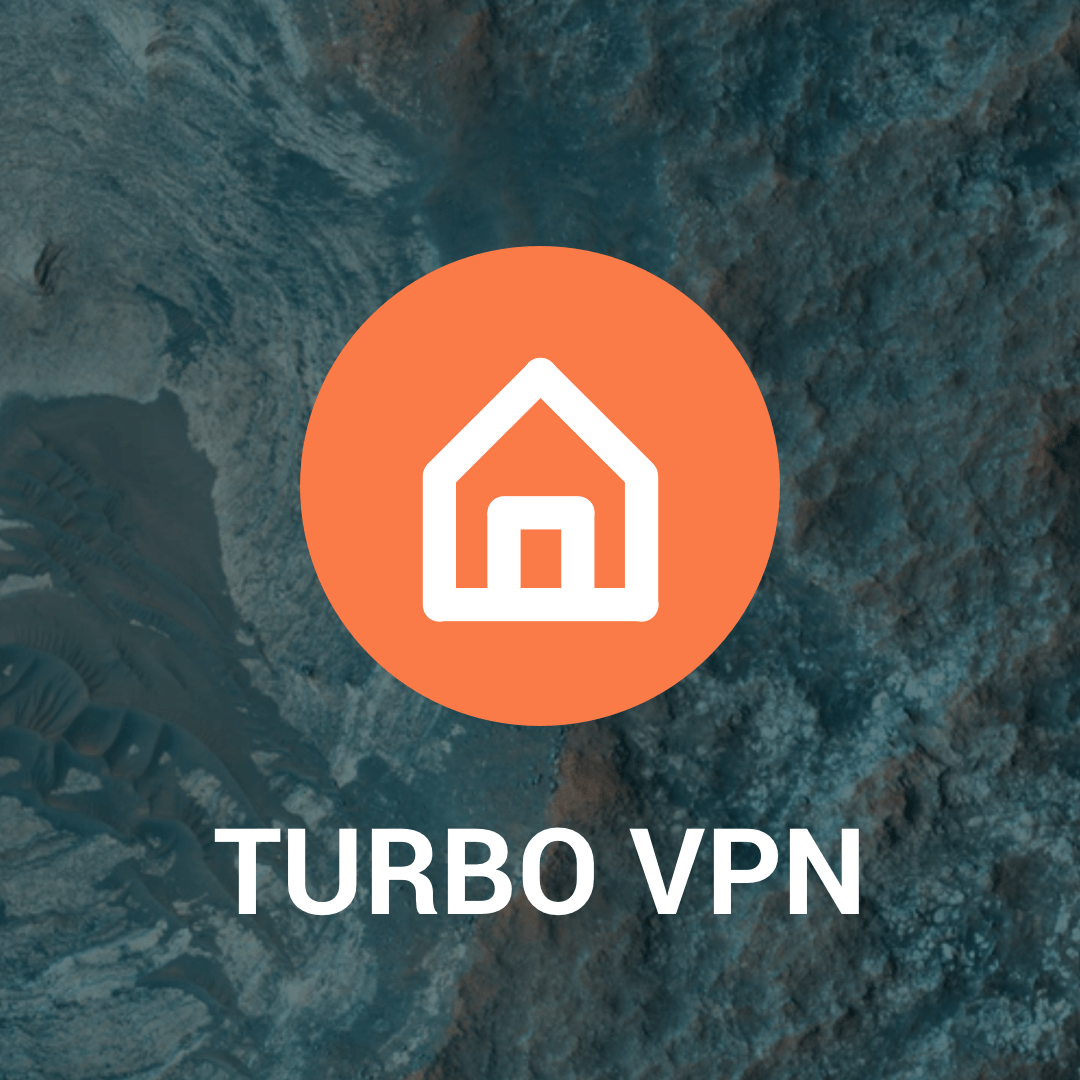
Encryption alone does not guarantee privacy if a provider still keeps records of user activity. That is why a no-logs policy matters so much in this category. TurboVPN WW states that it follows a strict no-logs policy, meaning online activity is not recorded or stored on its end. The service also uses AES-256 encryption, described as the highest level of encryption for online activity, alongside features aimed at preventing DNS leaks that could otherwise expose browsing requests to untrusted servers.
- Strong encryption, such as AES-256, scrambles data so intercepted traffic cannot be easily read by outside parties.
- A no-logs policy prevents a provider from storing records of browsing activity that could later be exposed or requested.
- IP address masking stops websites and observers from tying online activity back to a specific device or location.
- Protection against DNS leaks keeps domain lookup requests from being exposed to unreliable or unsafe servers.
- A kill switch, where available, blocks internet traffic if the encrypted connection drops unexpectedly.
- Split tunneling features let certain traffic bypass the encrypted tunnel while other traffic stays protected.
Taken together, these features explain why ISPs, hackers, and casual monitoring tools struggle to build a clear picture of a protected user’s online activity. Each one addresses a slightly different threat, from data interception on public networks to long-term tracking by an internet provider. That is the practical answer beneath the abstract question of what is a VPN, since the value shows up in these specific protections rather than in the concept alone.
Free and Premium Plans: Turbo VPN’s Service Options
TurboVPN WW offers a free VPN service alongside a premium plan that includes a free trial, covering people with different needs. The free service connects to a free server, providing a way to browse with added privacy without a paid commitment. The premium plan adds the fuller set of VPN online features, including the broader server selection and the specialized gaming and streaming servers mentioned earlier. The application is available across Windows, Mac, Android, iOS, and Chrome, plus a lighter Android version that takes up less than 6MB of storage.
The process described on the brand’s own site involves downloading the application, signing into an account, and selecting a server location to connect. From there, browsing continues with the added protection layered underneath. The free service and the premium plan exist side by side as separate offerings rather than as ranked levels, and each is described on its own terms by the brand.
The mix of broad server coverage, established protocols, and a stated no-logs approach gives TurboVPN WW a clear practical identity in a crowded category.