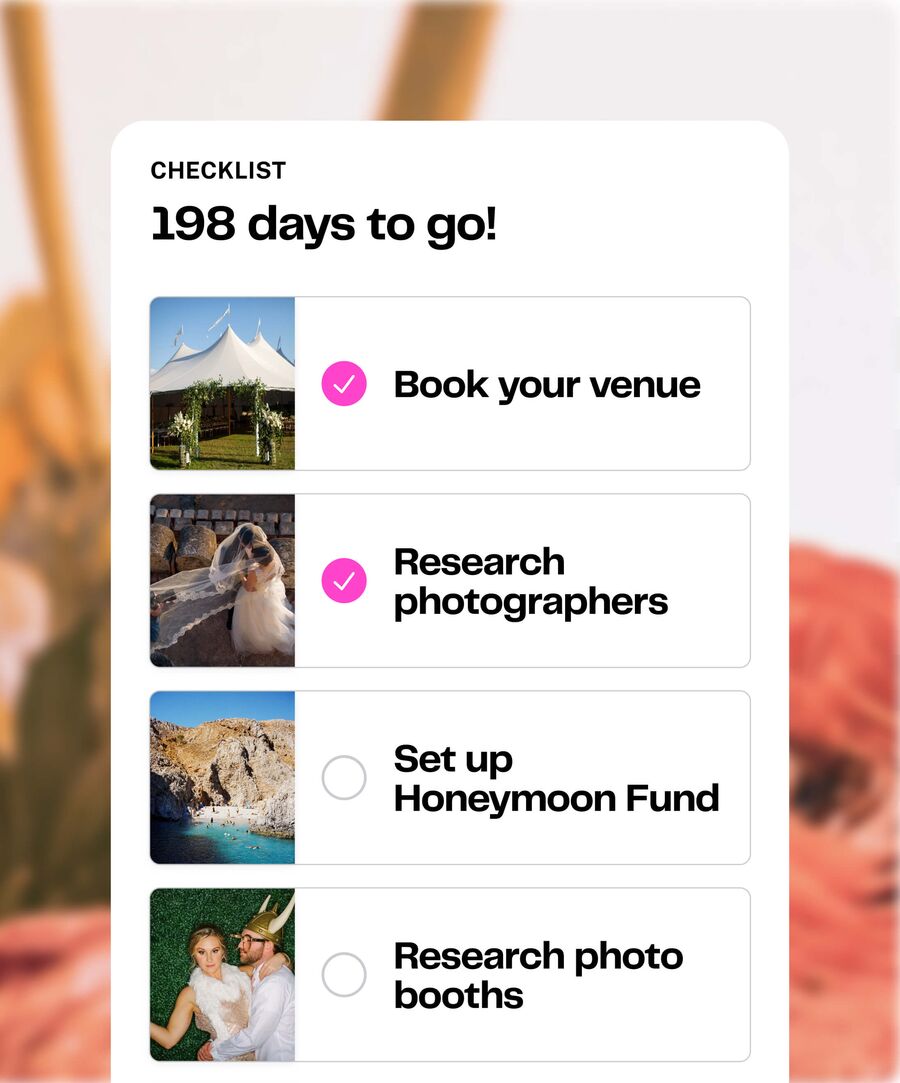
Getting engaged brings a wave of joy, followed quickly by a long list of decisions. A wedding planning checklist helps break that list into manageable monthly steps, so nothing gets missed between the proposal and the ceremony. theknot organizes its free tools around this exact idea, giving engaged couples a structured path from the first vendor search through the final RSVP count.
Wedding Planning Checklist: Organizing Every Detail by Month
theknot‘s checklist tool keeps every detail sorted by month, turning a sprawling to-do list into a sequence of smaller tasks. Instead of one giant document, couples see what matters right now and what can wait. This month-by-month structure is the backbone of the platform, since it connects directly to the registry, website, and vendor search tools described below.
A checklist works best when it accounts for the natural rhythm of engagement, from early venue bookings to last-minute confirmations. Breaking the timeline into phases also makes delegation easier and allows priorities to shift as plans change. That structure is reflected in the bullet points further down, which outline what typically happens at each stage of the process.
The Knot’s Registry Feature and No-Fee Cash Fund Options

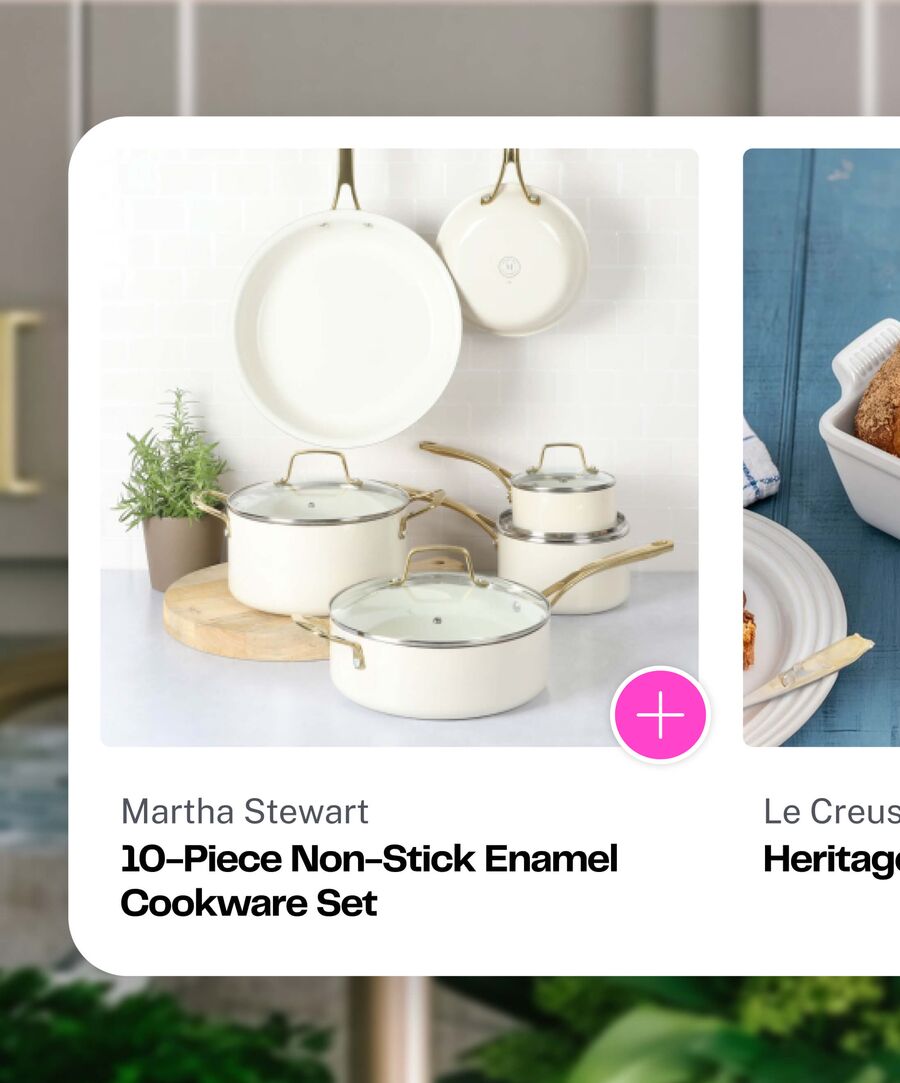
Registries used to mean picking items from a single store’s catalog. theknot lets couples build a registry that pulls gifts from any store, combining them into one shareable list. On top of that, it includes no-fee cash fund options, giving guests a way to contribute money directly without added charges.
This flexibility matters because modern households often prefer experiences or savings goals over traditional housewares. A combined registry means guests are not forced to choose between a gift card and a physical item. It also keeps gift tracking centralized, which ties back into the broader organizational goal of a wedding planning checklist.
Guest Communication and RSVPs Through The Knot’s Wedding Website
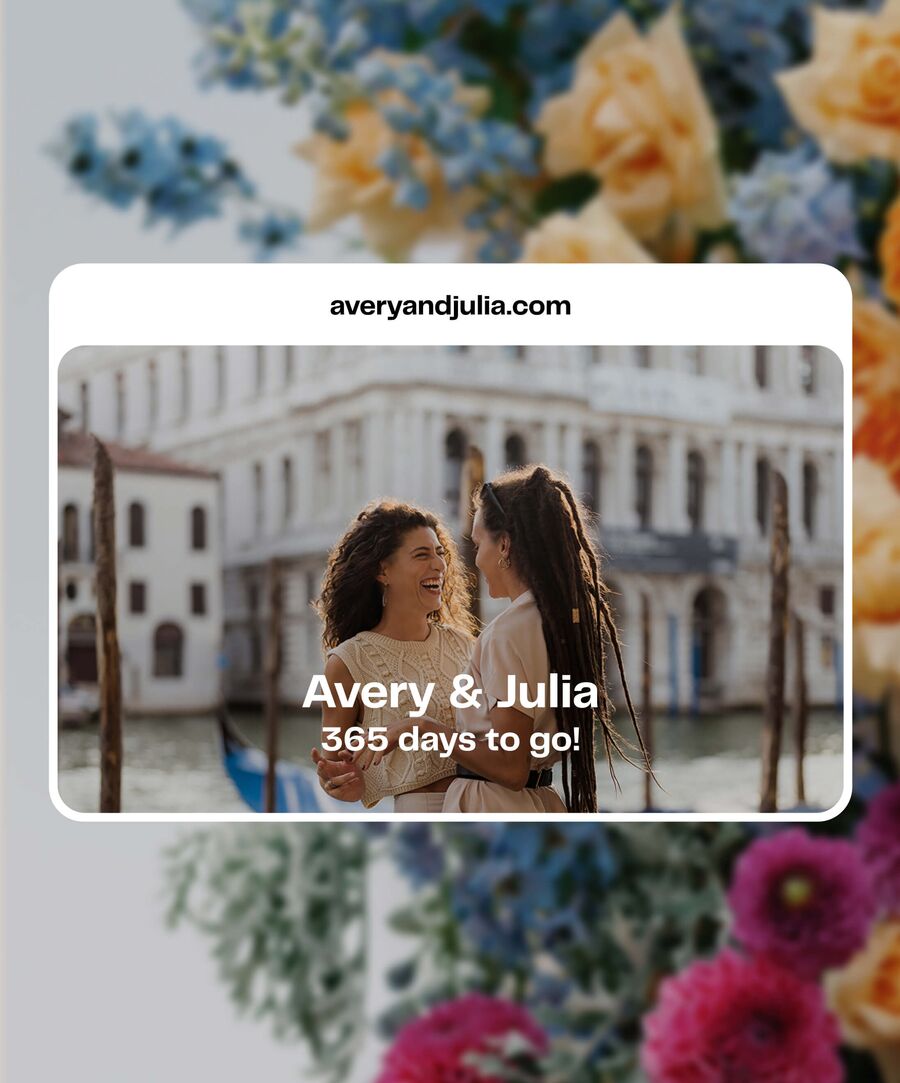
The wedding website feature serves as a single hub for RSVPs, gift tracking, and event details. Guests visit one link instead of juggling emails, texts, and paper invitations for updates. According to couples quoted on the brand’s site, creating an online wedding website made sharing updates with out-of-town guests notably quicker.
Centralizing communication reduces the back-and-forth that often comes with large guest lists. When schedule changes happen, such as a venue switch or a new start time, one website update reaches everyone at once. That consistency is part of why guest communication tools are treated as a core pillar alongside the checklist and registry.
Vendor Search and Discovery Across 175,000 Top-Rated Professionals
Finding a photographer, florist, or DJ can consume weeks of searching without a central directory. theknot offers access to nearly 175,000 top-rated wedding vendors spread across 20 categories. That directory is backed by 4 million couple reviews, giving engaged couples a reference point before booking.
Search filters by category and location narrow results down to photographers, DJs, beauty professionals, florists, wedding dress providers, and ring sellers, among others. One couple quoted on the site mentioned finding both a venue and a photographer this way, while also noting a DJ was listed on the platform too. A wide vendor pool means more side-by-side comparison before a final decision gets made.
Paper Invitations and Stationery Samples via The Knot
Not every part of planning happens online. theknot also offers printed invitations and stationery, along with three free paper samples couples can request before committing to a design. That sampling step allows checking paper weight and finish in hand rather than guessing from a screen.
Stationery choices often reflect the overall tone of an event, from formal card stock to simpler printed designs. Because the sample request is free, couples can compare a few options before placing a larger order. This step fits naturally into the broader timeline, usually arriving once a guest list and venue are confirmed.
Managing Gifts and Guest Tracking on the Wedding Website

Beyond RSVPs, the wedding website doubles as a running record of gifts received and guests confirmed. Couples can see who has responded, who still needs a nudge, and which registry items have been purchased. This consolidated view removes the need for a separate spreadsheet running alongside the website.
Tracking gifts and guests in one place also simplifies the later step of sending gratitude notes. Knowing exactly what was given, and by whom, keeps that follow-up organized rather than left to memory. It is one more way these tools connect back to the original wedding planning checklist structure.
- Early engagement months typically involve setting a budget range, choosing a wedding party, and beginning the venue search.
- Mid-timeline months often focus on booking photographers, florists, and other vendors from the available directory.
- This period also tends to include selecting and ordering stationery, starting with free paper samples before a final order.
- As the date gets closer, attention shifts to building the registry and sharing the wedding website link with guests.
- Final months are usually dedicated to tracking RSVPs, confirming guest counts, and finalizing details with booked vendors.
- The last few weeks commonly involve confirming logistics and reviewing the gift and guest records kept on the website.
A wedding planning checklist is only as useful as the tools built around it. Spreading tasks across clear monthly phases, from vendor discovery to gift tracking, keeps the process from becoming overwhelming as the date approaches.