Tribesigns Bookcase Styles Compared 5-Tier Ladder, 9-Tier Farmhouse, and Industrial Etagere Options
Choosing between open shelving and enclosed cabinets often comes down to how a room gets used day to day. This Tribesigns bookcase comparison looks at four distinct shelving formats, from an open ladder frame to a tall enclosed farmhouse cabinet, an industrial steel etagere, and a corner-fitting bookshelf. Each one solves a different placement problem, and the differences go beyond shelf count alone.
5-Tier Ladder Bookshelf: Compact Open Storage Design
The 5-tier ladder bookshelf is one of the smaller entries in the Tribesigns shelving range, built around fully open tiers rather than cabinets or doors. Every shelf stays visible, which suits a stack of current reading material, framed photos, or a small collection of plants. In a narrow hallway or beside a reading chair, the slim angled frame fits against a wall without crowding the floor the way a deeper cabinet would. Because nothing sits behind a panel, arranging the ladder shelves is a matter of stacking and leaning items directly onto each level. That makes it a practical fit for a home office corner where documents or reference books need to stay within reach. The open design does mean everything on it stays exposed to dust and to view, which is part of the trade-off against a closed cabinet.
9-Tier Farmhouse Bookcase: Tall Enclosed Storage with Slatted Doors
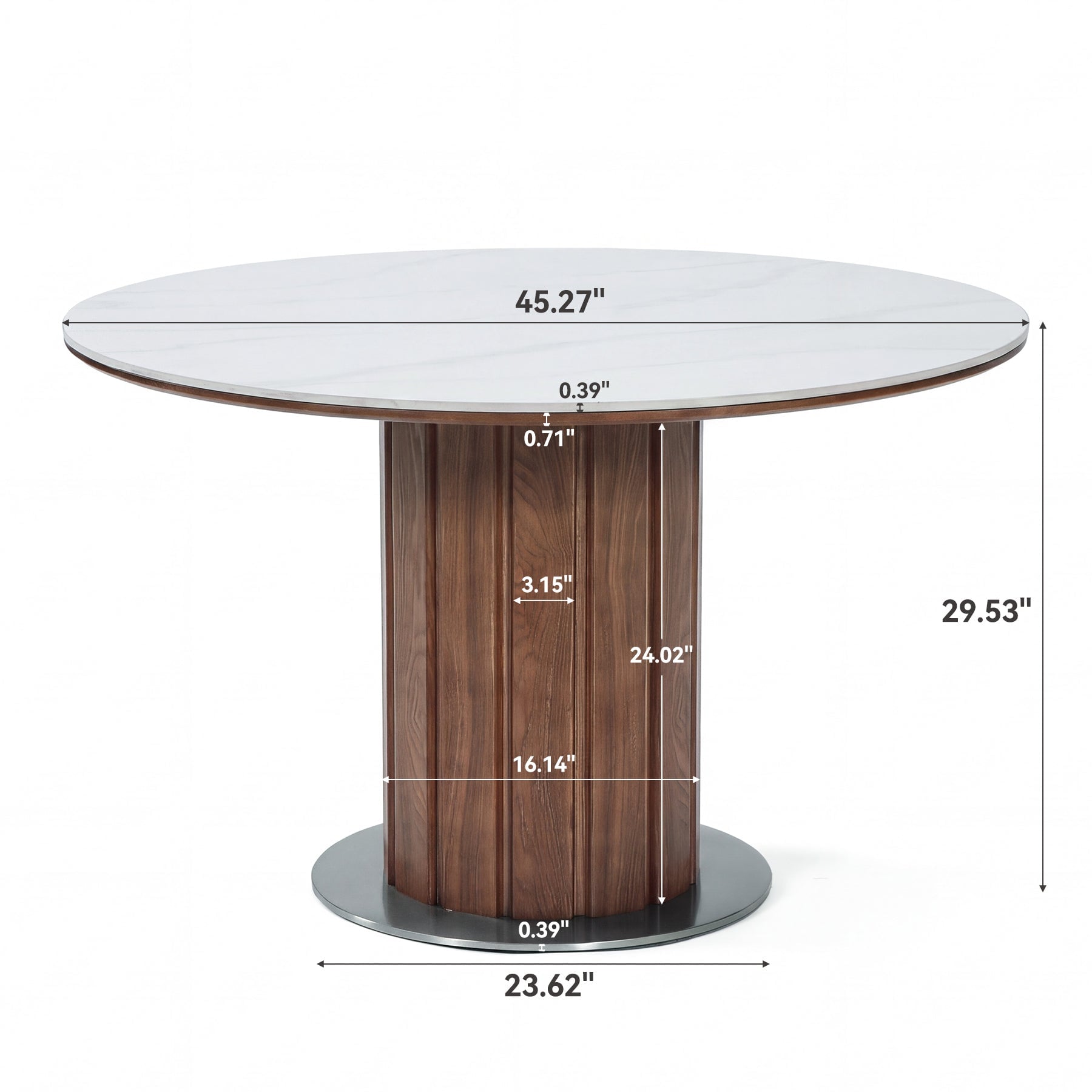
The farmhouse bookcase takes the opposite approach within this Tribesigns bookcase comparison. Standing 71 inches tall, it offers 9 storage shelves, including 7 that are removable, arranged behind 4 ventilated slatted doors. That combination lets someone rearrange the interior depending on whether the cabinet holds books, dinnerware, vases, or other household items. Placed in a dining room or a living room corner that needs to hide clutter, the slatted doors keep the farmhouse look while letting air move through the enclosed sections. Unlike the open ladder format, this piece conceals most of what it holds, which keeps a room looking tidier when the contents are mismatched in size or shape. Tribesigns markets the tall, narrow footprint as a way to pack several shelves into a design that does not spread across a wide stretch of wall.
69-Inch Industrial Etagere Bookcase: Staggered Shelves and Metal Frame Construction
This 5-tier industrial etagere bookcase stands 69 inches tall and pairs dark walnut-toned shelves with a black steel frame, giving it a harder, more utilitarian look than the farmhouse cabinet. Tribesigns describes it as a multi-purpose shelf that can also work as a room divider or a display stand in a living space. That flexibility sets it apart from a piece built mainly to sit flat against one wall. Where the farmhouse bookcase hides its contents, the etagere frame stays open on every side, so light and sightlines pass through the structure instead of stopping at it. In an open-plan living or dining area, that open steel frame can separate two zones of a room without fully blocking the view between them, something the closed slatted cabinet cannot do. The staggered shelf layout also breaks up the usual straight-row look, which changes how books and objects get grouped when displayed.
L-Shaped Corner Bookshelf: 12-Shelf Configuration for Awkward Spaces
Tribesigns also lists a corner bookcase built to wrap around an L-shaped footprint instead of sitting flat against a single wall. That layout suits a room corner that would otherwise go unused, such as the angle behind a doorway or beside a window seat. Rather than one continuous run of shelving, the design turns a 90-degree corner into two connected display sections. Fitting a bookcase into a corner changes how items are grouped, since pieces placed near the bend are visible from two directions at once. That makes the corner format a fit for a small home office or a reading nook where floor space runs short but a wall corner sits empty. It rounds out the shelving range alongside the straight-line ladder, farmhouse, and etagere designs already covered.
Key Differences in Shelf Count, Depth, and Display Flexibility
Lining up these four formats side by side in a Tribesigns bookcase comparison shows how differently each one treats openness and capacity. The farmhouse model leans toward enclosed, high-shelf-count storage, while the industrial etagere favors an open, multi-purpose frame. The ladder bookshelf keeps things simple with exposed tiers, and the corner bookcase solves a layout problem the other three do not address.
- The 9-tier farmhouse bookcase uses 4 slatted doors to conceal most of its storage shelves.
- The 69-inch industrial etagere bookcase relies on a black steel frame paired with dark walnut shelf tones.
- The 5-tier ladder bookshelf keeps every level open for direct display rather than enclosed storage.
- The corner bookcase wraps shelving around an L-shaped footprint to fill an otherwise unused angle.
- Door type, shelf material, and frame construction vary across these models rather than following one shared design.
Reviewing these points together shows that shelf count alone does not describe how a bookcase behaves in a room. An enclosed 9-tier unit functions very differently from an open 5-tier one, even when both stand close in height. Depth, door presence, and frame material end up mattering just as much as the raw number of shelves in any Tribesigns bookcase comparison.
Material Finishes and Color Variants Across the Range
Material choice shifts noticeably across this part of the shelving lineup. The farmhouse bookcase leans into a traditional slatted-door cabinet look, while the industrial etagere pairs dark walnut-toned shelving with an exposed black steel frame. The ladder bookshelf keeps its open tiers in a simpler, lighter finish suited to a less formal room. These finish differences mean the choice between models often comes down to how the piece is expected to sit alongside existing furniture. A steel-framed etagere reads differently in a room than a slatted wood-style cabinet, even when both offer a comparable number of shelves. Working through a bookcase comparison on finish alone turns up a range that spans from exposed metal framing to fully enclosed cabinetry. Across these four designs, the real pattern is matching a shelving format to a specific room need rather than ranking one style above another.