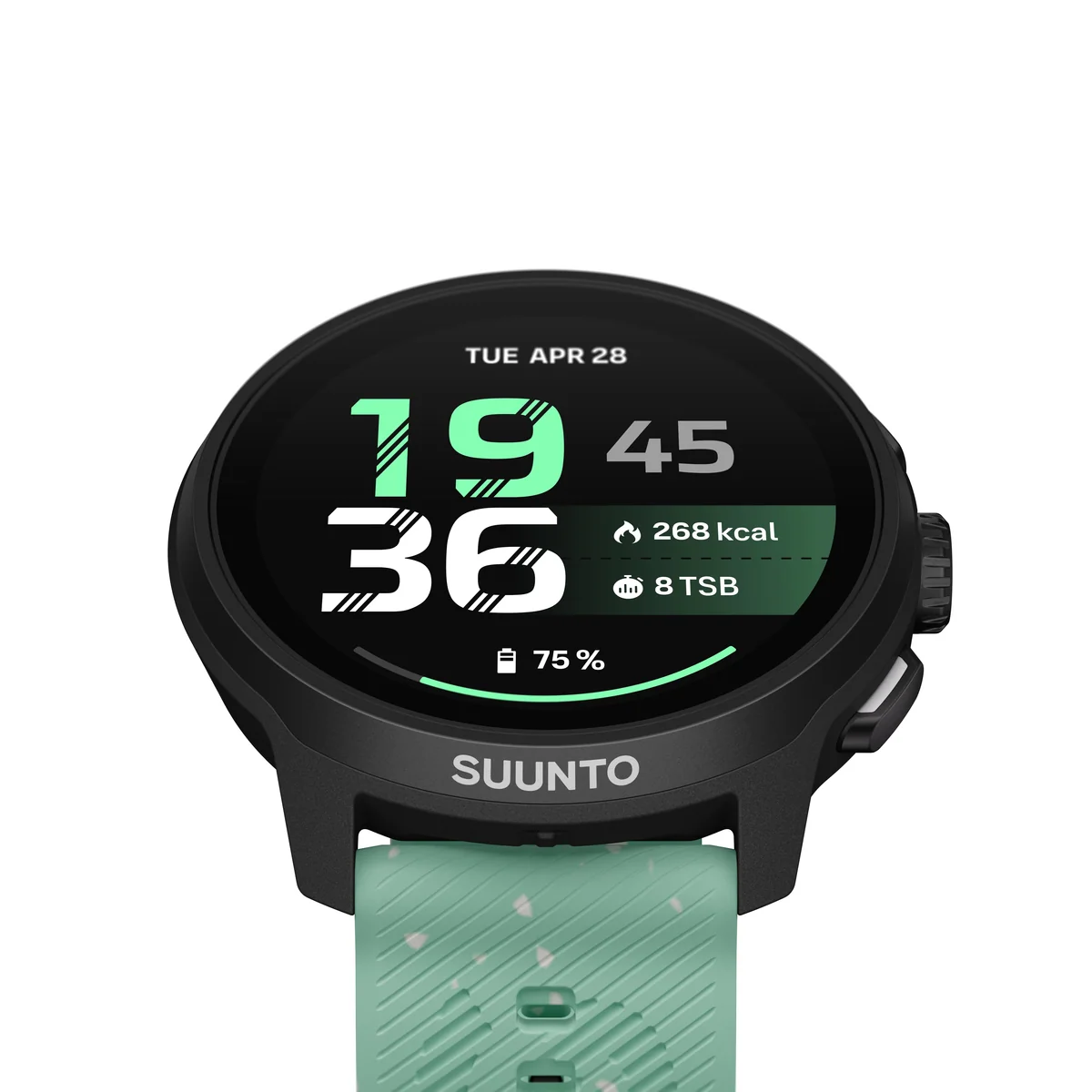
Choosing among sports watches for adventure often starts with figuring out what a brand actually makes beyond a single flagship model. Suunto builds several distinct product families, from GPS running watches to dive computers and classic outdoor instruments. Understanding how these lines differ helps match a device to a specific activity rather than a general idea of what a watch should do.
What Suunto Makes: Sports Watches, Dive Products, and Beyond
Suunto describes its own range as sports watches, dive computers, compasses, and accessories built for demanding conditions. The brand also sells headphones alongside its wearables, rounding out a catalogue aimed at people who move outdoors often. This spread across categories means the lineup is not chasing one niche, but covering running, diving, hiking, and navigation under a single name. Because the range spans so many activities, it helps to separate the categories before comparing individual models. Watches handle everyday training and GPS tracking, dive products serve underwater use, and instruments like compasses support off-grid navigation. The product pages position all of these as devices for adventures and sports, which is a useful way to frame the rest of this overview.
GPS Sports Watches for Running and Trail Activities

The watch category sits at the center of the current lineup, with most models offering GPS tracking and heart rate monitoring from the wrist or a chest belt. The product search page notes that watches in this range suit everything from a demanding outdoor expedition to a relaxed run in a park. That range matters for anyone comparing sports watches for adventure, since the same catalogue covers both ends of that spectrum. Suunto an altimeter is a recurring feature across several of these watches, and the brand notes it is useful for hiking. That detail signals that the watch line is not purely about pace and distance, since elevation tracking matters too for people moving through varied terrain. As a result, the GPS watch category overlaps with the kind of off-grid use normally associated with dedicated outdoor instruments.
The Suunto Race 3S: Lightweight Design for Trail Running
The suunto Race 3S is described as a next-generation performance watch built for smarter training and trail running. The Titanium Black version weighs 56 grams and carries a dual-band GPS battery life rated at up to 38 hours. It also includes offline maps, which suit routes that move away from mobile signal. Beyond the headline numbers, the watch is framed around trail-specific needs rather than general fitness tracking alone. Offline maps and extended GPS battery life both point toward multi-hour outings rather than short daily runs. For anyone comparing adventure on trail terrain specifically, those two details carry more weight than overall styling.
The Suunto Run 2: Ultralight Wearable for Distance Running
The suunto Run 2 is pitched under the line “See the Run Ahead,” and its defining spec is weight rather than battery or mapping. The brand states it weighs thirty-five grams on the wrist, a figure repeated from the first kilometre to the last night of sleep. That phrasing suggests the watch is meant to stay on through both daytime training and overnight wear. Distance runners often weigh a watch’s comfort as heavily as its tracking accuracy, and the Run 2’s low weight speaks directly to that concern. Unlike the Race 3S, which leans toward trail-specific tools like offline maps, the Run 2’s pitch centers on being light enough to forget it is there. That distinction is a useful way to separate the two watches when comparing sports watches for adventure versus everyday distance training.
The Suunto Core 2: Off-Grid Navigation and Weather Tracking

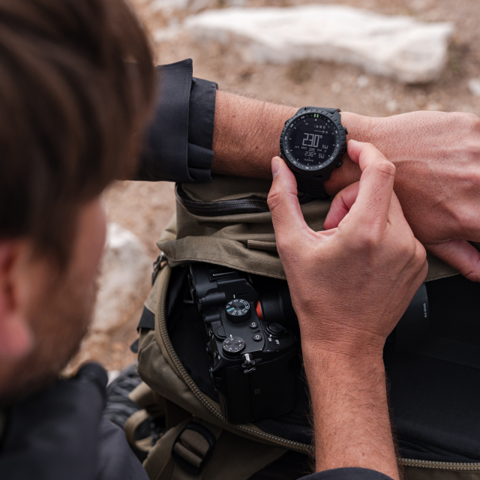
The suunto Core 2 is described as a classic ABC outdoor watch, built for off-grid exploration rather than pace-focused training. Its listed role covers hikes and off-grid adventures, and it tracks elevation, flags changing weather, and keeps bearings. That combination of altimeter, barometer, and compass functions is what separates it from the running-focused models in the lineup.
Where the Race 3S and Run 2 are built around running metrics, the Core 2 is built around orientation and environmental awareness. This makes it a different kind of adventure tool, one aimed at navigation and conditions rather than splits and heart rate zones. People weighing sports watches for adventure against dedicated outdoor instruments will find the Core 2 sits closer to the instrument side of that comparison.
- The Suunto Race 3S combines a 56 gram titanium build with offline maps for trail navigation.
- The Suunto Run 2 is built around a thirty-five gram wrist weight aimed at distance runners.
- The Suunto Core 2 tracks elevation, weather changes, and bearings for off-grid hikes.
- Most watches in the broader range add GPS tracking alongside heart rate monitoring from the wrist or a chest belt.
- Headphones and compasses round out the catalogue alongside the dive computers and sports watches.
Taken together, these three models show how one catalogue can serve different adventure needs without collapsing into a single design. A trail runner, a distance runner, and a hiker are each pointed toward a different watch, not a single compromise model. That kind of separation is often what buyers are actually looking for when they start comparing sports watches for adventure in the first place.