Modern households increasingly rely on connected gadgets to handle chores, watch the front door, and keep infants safe. Understanding the main smart home device categories makes it easier to see how different products fit together rather than compete for the same job. Eufy has built product lines across several of these categories, from security cameras to robot vacuums, which makes it a useful reference point for mapping the broader market.
What Are Smart Home Devices and Why They Matter
Smart home devices are gadgets that connect to a home network or app and automate a task that used to require manual attention. That includes watching for intruders, cleaning floors, greeting visitors, or tracking a baby’s sleep. Because the smart home device categories cover such different needs, most households end up mixing products from several categories rather than buying everything from one shelf.
The value of grouping devices into categories is that it clarifies what each one actually solves. A security camera addresses a different worry than a robot vacuum, even though both get filed under the same general label. Looking at the categories one at a time also makes it simpler to compare how a given brand, such as Eufy, positions its lineup across each of them.
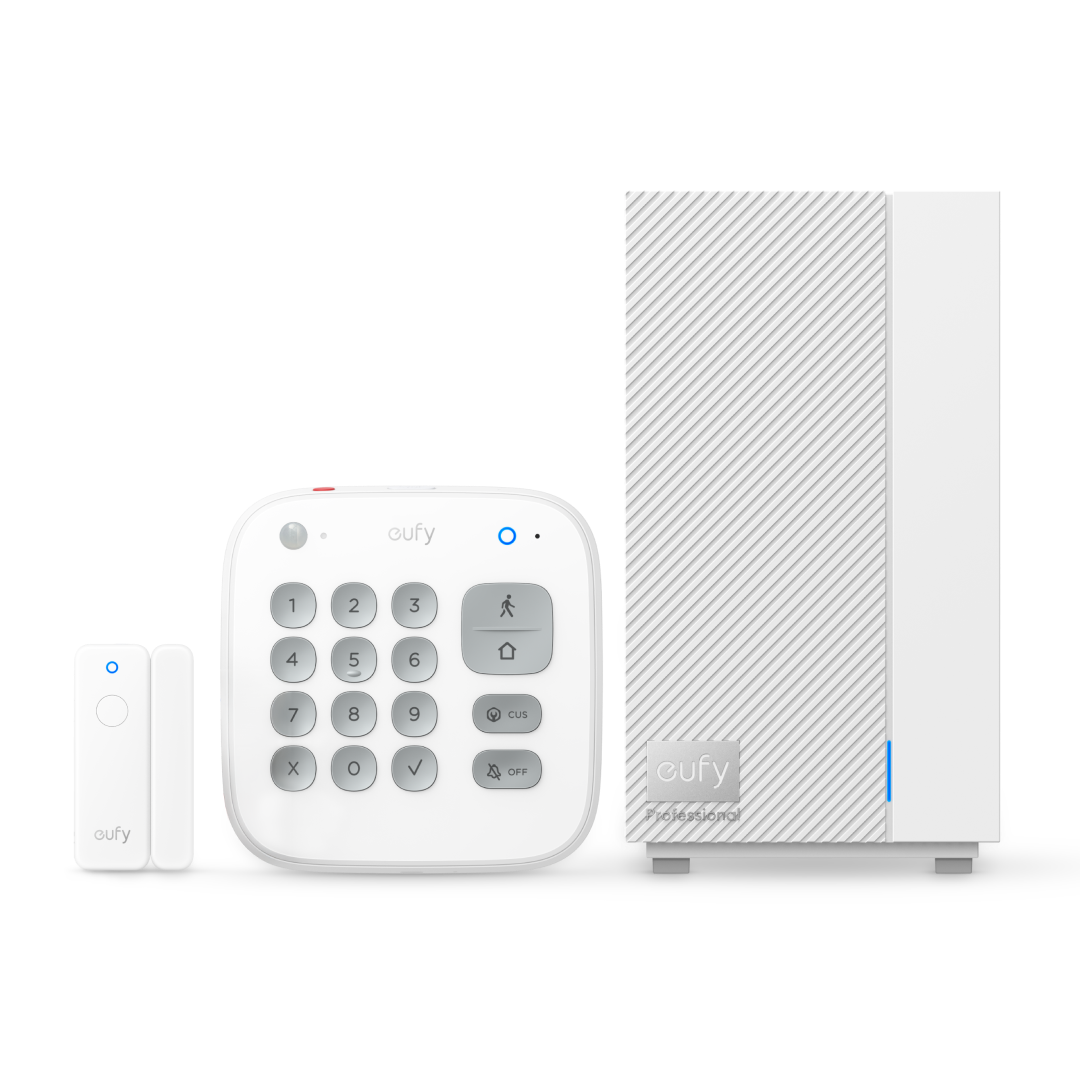
Security Cameras and the Eufy LocalSecure and ProSecure Systems
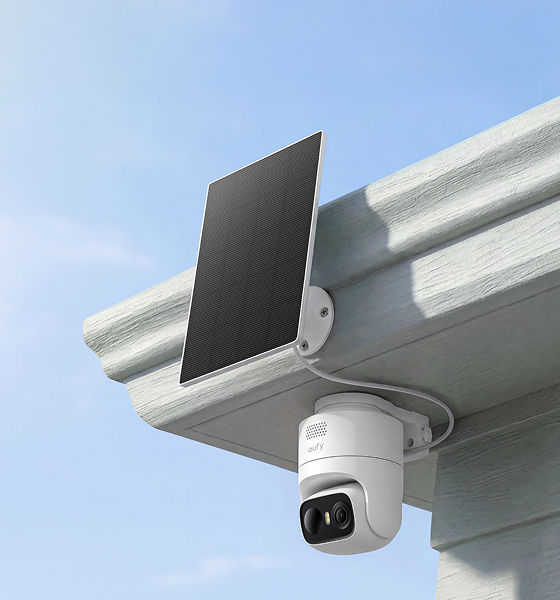
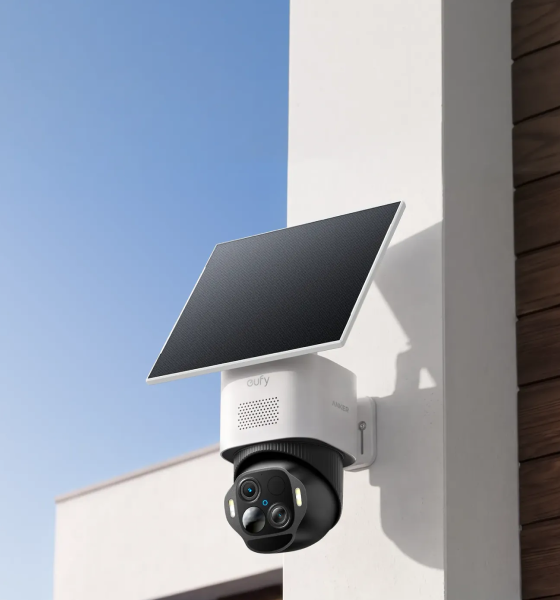
Home security cameras remain one of the most established smart home device categories, covering indoor cameras, outdoor cameras, and video recorders that store footage. Eufy offers two named systems to address this space, the LocalSecure System and the ProSecure System. The LocalSecure System is described as putting control of home security in the hands of the household, while the ProSecure System is positioned as a 24/7 security setup built around a local AI agent.
Within this category, Eufy also lists an NVR Security System, the S4 Max, which the brand describes as pairing network video recording with a local AI agent. On the camera hardware side, the eufyCam S4 is presented as combining bullet-style and PTZ camera designs in one lineup. Outdoor cameras, indoor cameras, and PoE NVR systems are all listed as distinct shopping categories on the brand’s own site, showing how granular the security segment can get.
Robot Vacuums and Floor-Cleaning Automation: The Eufy Omni and HydroJet Lines
Robot vacuums form another major smart home device category, and this is an area where Eufy lists multiple named models. The Omni E35 is described with 35,000 Pa of suction and marketed around baby-grade cleaning claims. The Omni C30 Edge carries the same 35,000 Pa suction figure and is described as offering edge-to-edge coverage.
The Omni S2 rounds out the lineup with messaging around deep cleaning for a healthier home. Together these models show that floor-cleaning automation is not a single product but a range of variants aimed at different coverage and suction needs. This mirrors how the wider robot vacuum category is typically segmented by suction power and navigation style.
Video Doorbells and Home Entry Monitoring with Eufy
Video doorbells sit at the intersection of security and convenience, letting a household see who is at the door without physically answering it. Eufy lists video doorbells as a standalone shopping category alongside its camera and NVR systems, and the brand’s European site references a Video Doorbell S4 among its newer entry monitoring products. This keeps the doorbell segment distinct from the indoor and outdoor camera lines, even though all three serve a related watch-the-home function.
Because entry monitoring often gets bundled with broader security packages, the doorbell offerings connect naturally to the LocalSecure and ProSecure systems described earlier. That overlap is common across the smart home device categories generally, where a single hub or app often ties multiple device types together. A doorbell alone covers the front step, while an NVR system or camera array extends that same visibility around the rest of a property.
Additional Smart Home Categories: Lawn Mowers, Breast Pumps, and Baby Monitors
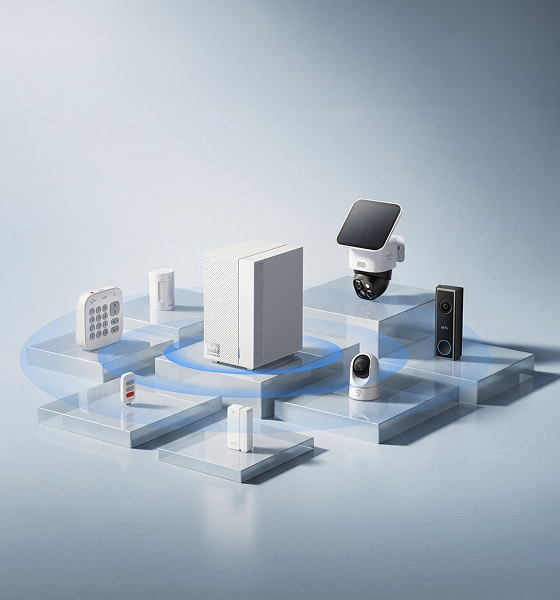
Beyond security and cleaning, the category list extends into territory that goes further than the automation types most people associate with the term smart home. Lawn mowers appear as a listed category tied to outdoor yard maintenance, extending automation beyond indoor floors to the yard itself. Smart locks, smart lights, and smart displays round out additional connected-home categories on the brand’s site.
Eufy also lists a Wearable Breast Pump, the S1 Pro, described as providing 30% more output with 300 mmHg of strong suction. Baby monitors and a baby bottle washer appear as separate categories as well, placing the brand’s range across parenting-related devices alongside its security and cleaning products. This spread illustrates how broadly the smart home label now gets applied, covering categories that have little to do with cameras or vacuums at all.
- Security cameras and NVR systems address the need to watch entry points and record footage for later review.
- Robot vacuums automate floor cleaning so that households spend less manual time on routine sweeping and mopping.
- Video doorbells solve the specific problem of seeing and communicating with visitors without opening the door.
- Lawn mowers extend automation from indoor floors to outdoor yard maintenance.
- Breast pumps and baby monitors apply connected-device features to infant care and feeding routines.
- Smart locks, lights, and displays round out home automation by covering access control and ambient convenience.
Choosing Across the Categories
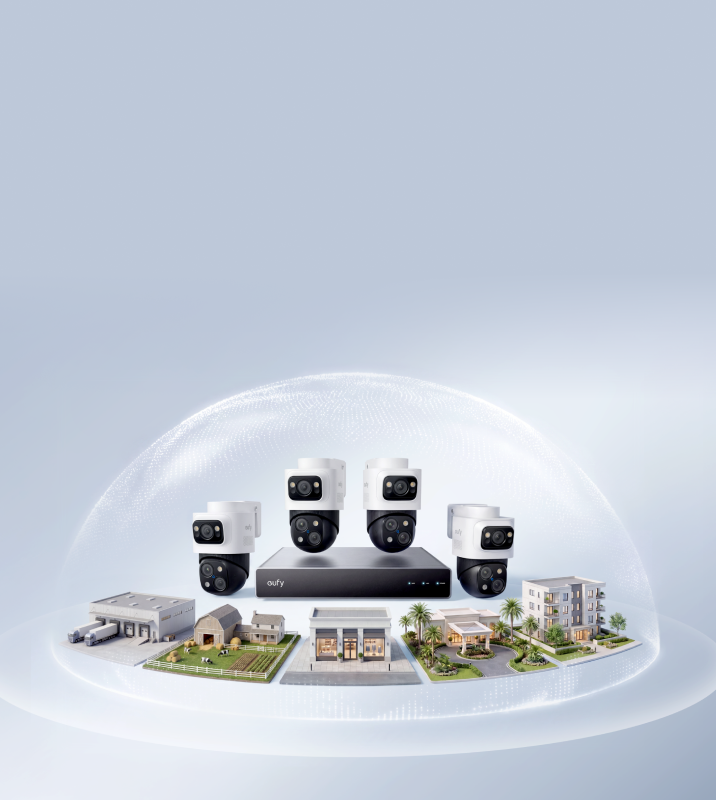
No single device covers every smart home need, which is why the market is organized into these distinct categories in the first place. A household focused on entry security might start with a camera system or doorbell, while one focused on daily chores might look first at a robot vacuum. Eufy‘s spread across security, cleaning, yard care, and parenting devices shows how one brand can touch several of these categories without merging them into a single product.
Seen together, the smart home device categories work less like a hierarchy and more like a toolkit, where each piece solves a separate problem.