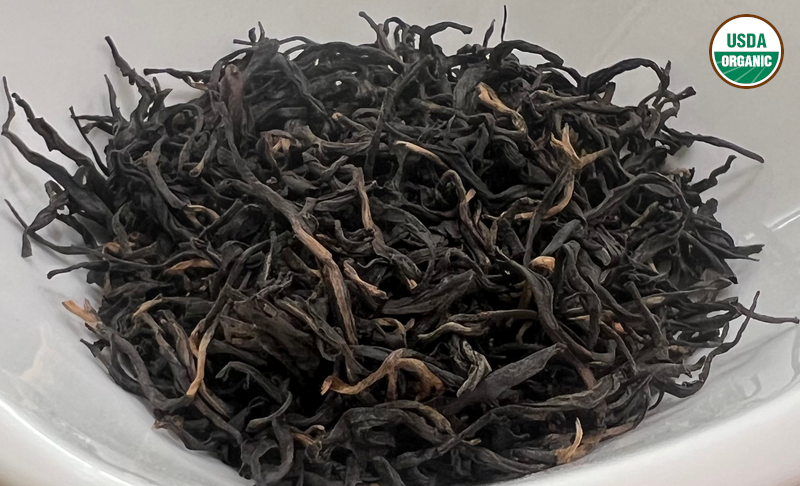
Specialty tea has become its own category of connoisseurship, much like single-origin coffee or small-batch spirits, and premium Taiwanese tea sits near the center of that movement. Loose-leaf drinkers increasingly look past generic supermarket blends toward origin, elevation, and harvest season. Mou‘s catalog reflects that same shift, grouping high-mountain oolong, green tea, and black tea under separate collections alongside categories such as Puerh, Herbal, Roasted, and Competition Grade.
Understanding Specialty Tea Culture and Loose-Leaf Tea Appreciation
Specialty tea culture treats leaf quality the way wine culture treats a vineyard plot. Instead of asking only for caffeine, drinkers ask where the tea grew, how high the garden sat, and when the leaves were picked. Loose-leaf format matters here too, since whole or lightly rolled leaves generally hold aroma better than fannings packed into standard bags. Mou frames its own catalog around this philosophy, stating a goal of bringing the same sophistication associated with single malt scotch or vintage wine into the world of tea, served without milk, sugar, or flavorings.
High-Mountain Oolong: The Signature Category at Mou
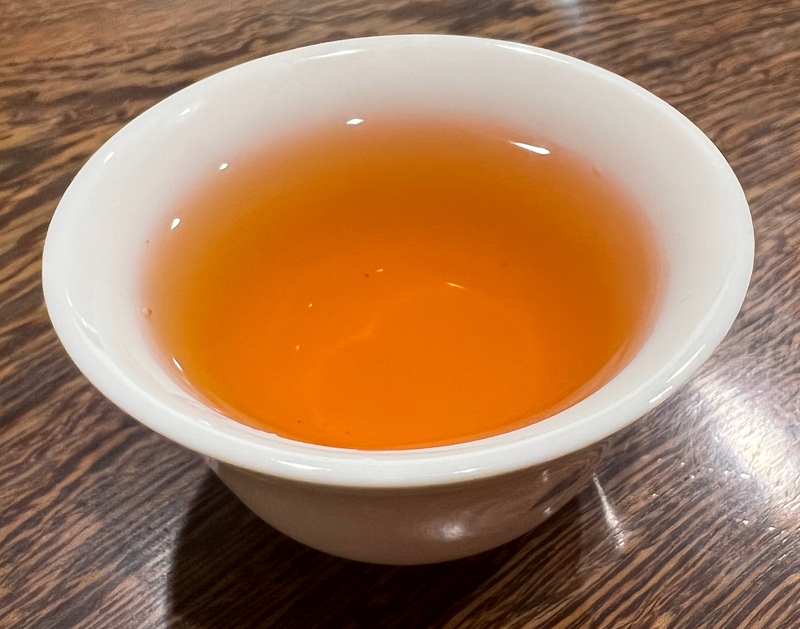
High-mountain oolong, or gaoshan cha, is grown at elevation in Taiwan’s misty central ranges, and it forms the backbone of the brand’s range. The DaYuLing Oolong, a spring harvest tea, comes from gardens above 2,200 meters, one of the highest and most sought-after elevations in Taiwanese tea production. Mou describes its aftertaste as lingering for as long as two minutes, with each batch showing its own character. The LiShan Oolong, offered as a winter harvest, carries a dry aroma built around orchid and citrus blossom notes alongside a jasmine-rice quality on the palate.
Other high-mountain selections include the Sun Link Sea Oolong, grown at LongFengXia in Nantou County at an elevation near 1,800 meters, and AliShan Jinxuan, sourced from a mountainous region known for consistent quality across changing conditions. These regional distinctions matter to buyers seeking a genuinely premium Taiwanese tea experience rather than a generic oolong blend, since garden location and elevation shape both aroma and body.
Green Oolong, Light Oolong, and Dark Oolong Explained
Oolong is not a single flavor but a spectrum defined by oxidation level, and Mou organizes much of its site around that spectrum. Light or green oolongs sit closer to green tea in character, often floral and lightly vegetal, while dark oolongs push toward deeper, roasted, or fruitier notes closer to black tea. The brand’s BaoZhong, also called Pouchong, is described as the lightest and least oxidized oolong in the collection, sitting right at the edge between green tea and oolong. At the other end, the Organic Brandy Oolong is described as smooth and heavy-bodied, opening with notes recalling cocoa before shifting into something more fruit-forward.
The Imperial Pearls Oolong, noted as a dark oolong, reflects a more heavily oxidized and rolled style, while the Organic Mountain Oolong, grown at 1,100 meters without sprays, pesticides, or chemical fertilizers, represents a more traditionally farmed middle ground. This range of oxidation gives drinkers of premium Taiwanese tea a way to move gradually from grassy and floral toward roasted and deep, all within the same broad oolong family.
- Light or green oolongs, such as BaoZhong, sit closest to green tea with floral and lightly vegetal notes.
- High-mountain spring and winter harvests, like LiShan and Sun Link Sea, fall in a middle oxidation range with orchid, citrus, and rice-like aromas.
- Dark oolongs, such as the Organic Brandy Oolong, carry heavier oxidation and show cocoa and fruit tones alongside a fuller body.
- Rolled dark oolongs, like Imperial Pearls, represent the deeper end of the oxidation scale within the oolong category.
- Black tea, including the Organic Black Tea made from JinXuan leaf, is fully oxidized and sits at the opposite end from green tea.
Mou’s Black Tea and Green Tea Selections
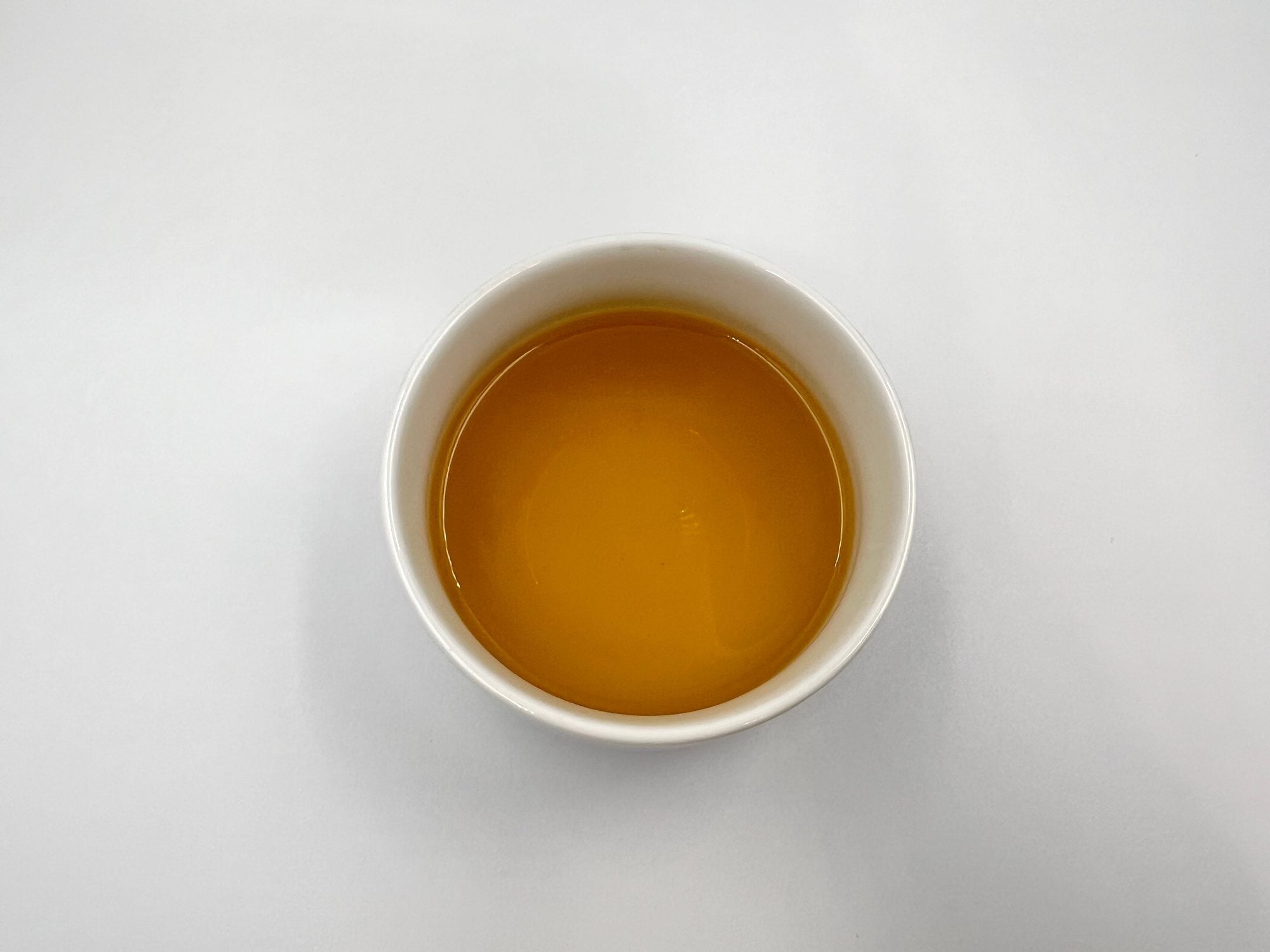
Beyond oolong, Mou carries a dedicated black tea line built around Taiwanese cultivars. The Organic Black Tea uses USDA-certified organic JinXuan as its base, a cultivar known for a mild, bright flavor and a smooth, round consistency. It is described as fully oxidized and loose leaf, positioned as more flavorful than common Assam-based blends. The Ruby #18 Black Tea takes a different route, using a cultivar bred from a cross between a wild Formosan tea plant and Assam, developed specifically for black tea production.
On the green tea side, the catalog includes the JAS Organic Gyokuro, matured under full shade for three weeks before plucking, which the brand says produces a citrus-blossom aroma alongside savory, nostalgic notes. The JAS Organic Japanese Matcha Powder, sold in a 40g size, is made from Gyokuro-style leaf with stems removed before milling. Organic Jasmine Pearls and Jasmine Green Tea Sachets round out the scented side of the green tea range, the latter sold in a 20-count format.
Organic and Single-Origin Taiwanese Teas: Quality and Sourcing
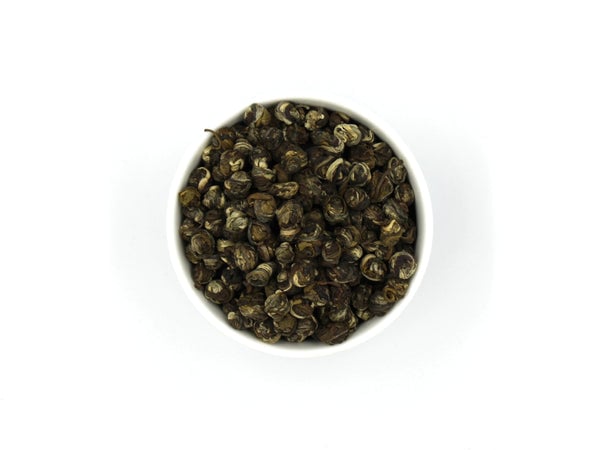
Several items across the catalog carry organic certification, including the JAS Organic Gyokuro, JAS Organic Matcha, Organic Jasmine Pearls, Organic Black Tea, Organic White Peony, and Organic Brandy Oolong. The Organic Mountain Oolong is specifically noted as grown without sprays, pesticides, or chemical fertilizers, allowing the garden to return gradually to a more natural state, though the brand notes this results in lower yields and less predictable harvest times. Single-origin framing runs throughout the site, with teas tied to named regions such as Nantou County, LongFengXia, and AliShan rather than sold as anonymous blends.
This emphasis on traceable origin is part of what separates a premium Taiwanese tea catalog from a generic one. Knowing the township, elevation, and harvest season behind a tea gives drinkers a frame of reference similar to knowing a wine’s vineyard and vintage. Mou leans into that comparison directly in its own stated philosophy.
Steeping and Preparation: How to Experience Premium Tea Properly
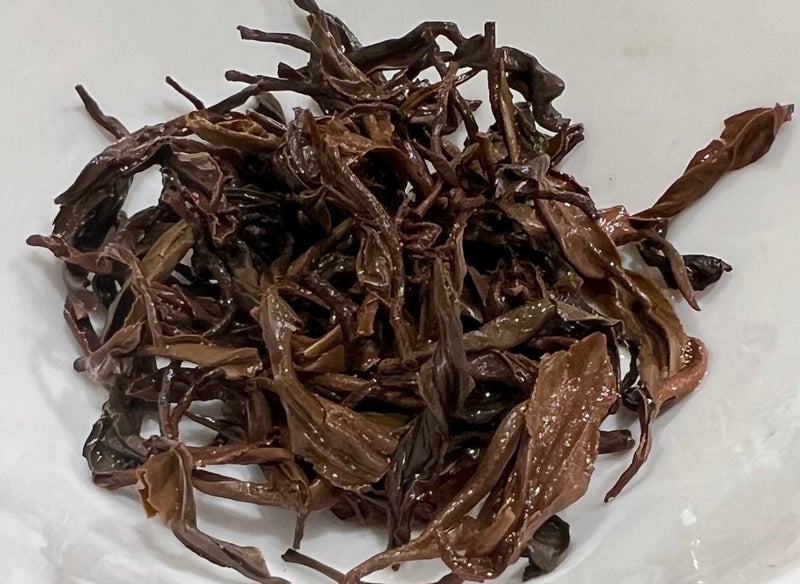
Preparation details differ by tea type across the catalog. Organic Jasmine Pearls are suggested for steeping with lower temperature water, in a range between 78°C and 82°C, with 85°C noted as the highest advisable point. The Jasmine Green MountainTea listing suggests roughly 3 grams of leaf per 100ml of water, with instructions for multiple resteeps using progressively adjusted timing. Jasmine Green Tea Sachets are described as steeping quickly, with a suggestion to keep steep time under two minutes to preserve resteep potential.
These differences highlight why loose-leaf specialty tea rewards attention to temperature and timing rather than a single blanket method for every leaf. A lightly oxidized green oolong behaves differently in water than a fully oxidized black tea or a shade-grown green tea like Gyokuro. The brand’s own product notes largely serve as a guide specific to each style rather than a universal rulebook applied uniformly across the whole range.
Premium Taiwanese tea, as Mou presents it, rewards patience as much as curiosity. Each harvest offers its own point of comparison for anyone building a loose-leaf collection.