Certified natural diamonds investment has moved beyond jewellery circles and into conversations about tangible assets and portfolio diversification. Stones graded by recognised laboratories offer a documented, verifiable alternative to paper assets. Midas positions itself in this space by selling loose, certified diamonds directly, without the layers of intermediaries that typically sit between a mine and a buyer.
Why Certified Natural Diamonds Attract Investment Interest
Diamonds have long held appeal as a physical store of value, separate from stocks, bonds, and cash holdings. Unlike many collectibles, a certified stone comes with an independent record of its physical characteristics, which supports resale confidence. This is part of why certified natural diamonds investment has drawn interest from people looking to diversify beyond conventional markets. It frames its stones this way, describing its catalogue as diamonds sourced directly rather than passed through multiple traders.
Understanding the GIA, IGI, and HRD Certification Standards
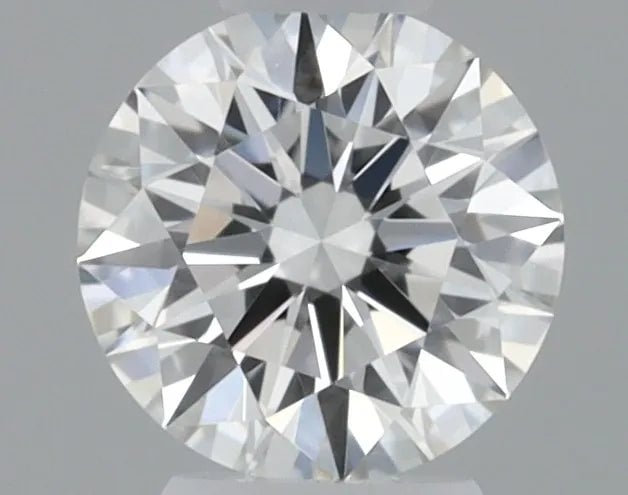
Grading reports from GIA, IGI, and HRD give buyers a shared reference point for comparing stones. Each report documents carat weight, colour, clarity, cut quality, polish, symmetry, and fluorescence, along with a unique certificate number. Midas lists stones certified by these three bodies, and each product page links to the corresponding certificate PDF. That means a buyer can check measurements and grading details against the original document rather than relying on a description alone.
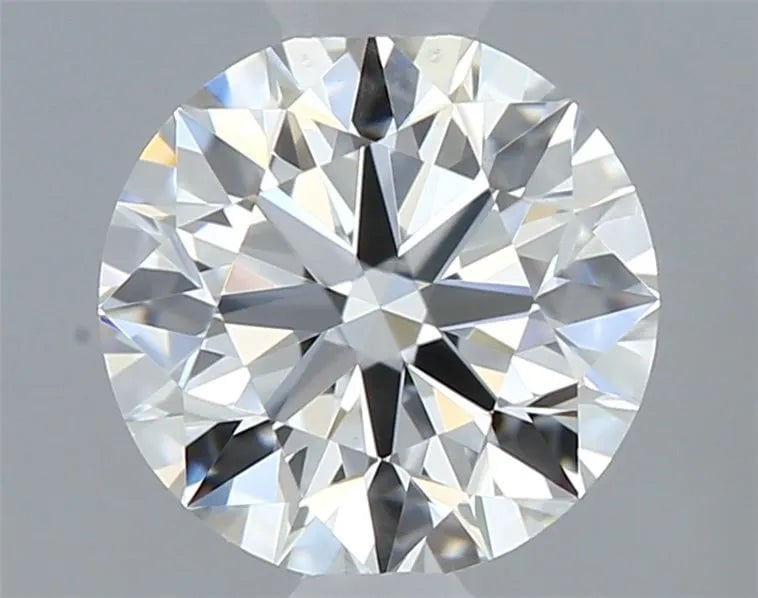
- GIA issues detailed reports covering colour, clarity, cut, and fluorescence, and Midas stones such as a 0.25ct Round diamond in Colour F, Clarity VVS1 carry GIA certificate numbers tied to published PDFs.
- IGI grades a large share of the smaller stones in the Midas catalogue, including 0.04ct Round diamonds across several colour and clarity combinations.
- HRD is named alongside GIA and IGI as one of the third-party bodies Midas references when describing its certified stones.
- Each certificate includes exact measurements, such as length, width, and depth in millimetres, alongside table and depth percentages.
- Certificate numbers allow a buyer to cross-reference a specific stone’s documentation independently of the seller’s own listing.
Round Brilliant and Specialty Cuts in Diamond Investment Strategy
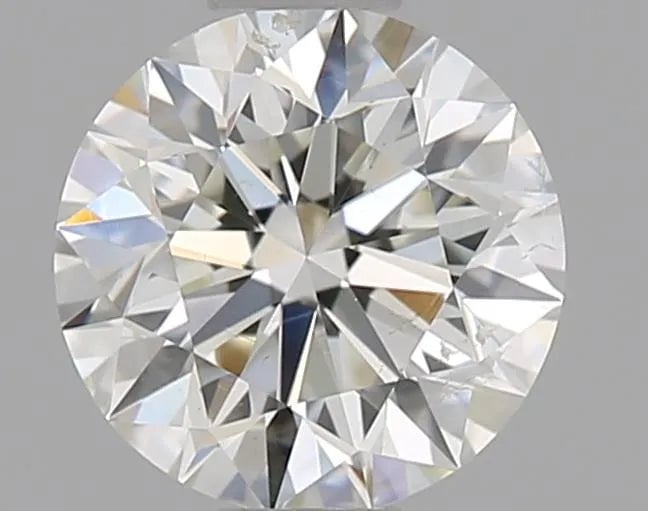
The round brilliant remains the most common shape in the Midas catalogue, appearing across multiple carat weights and grading combinations. Stones such as a 0.70ct Round diamond in Colour G, Clarity SI1 illustrate how the round cut scales from very small carat weights upward. Alongside round stones, The brand also lists specialty shapes, including a 1.01ct Marquise diamond graded Colour D, Clarity SI1, and a 0.70ct Cushion brilliant stone. Offering both round and fancy shapes gives buyers a wider set of certified options to compare when building a holding.
Building Liquidity: Loose Diamonds and Easy Transport
One advantage cited for diamonds as a tangible asset is their physical compactness relative to their value. Midas sells its stones loose, meaning unmounted and not set into jewellery, which the brand describes as easy to transport. Loose stones also simplify handling, since a buyer is not dependent on removing a diamond from a setting before it can be assessed or resold. This is a recurring point in how Midas presents its range, alongside references to safe payment processing at checkout.
Direct-from-Source Diamond Trading and Transparency Benefits
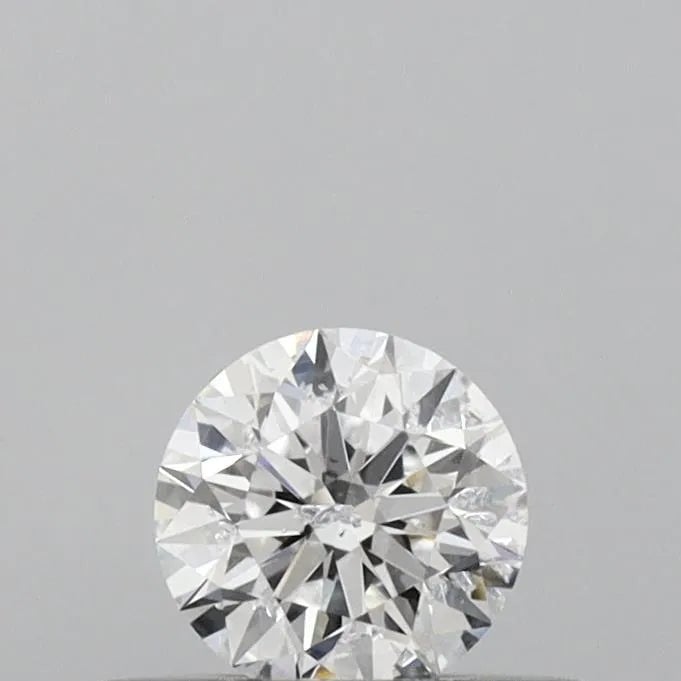
It describes its model as direct from the source, with no middleman standing between the supplier and the buyer. The brand states that it operates with wholesale pricing and that its prices include VAT for buyers within the EU. It also notes offices in Antwerp, Marbella, and the Netherlands, placing it within established diamond trading hubs. On its own site, Midas states a goal of making diamond trading as transparent as the diamonds themselves, a line that ties directly to its emphasis on third-party certification rather than in-house grading claims.
Evaluating Colour, Clarity, and Cut Specifications for Long-Term Holdings
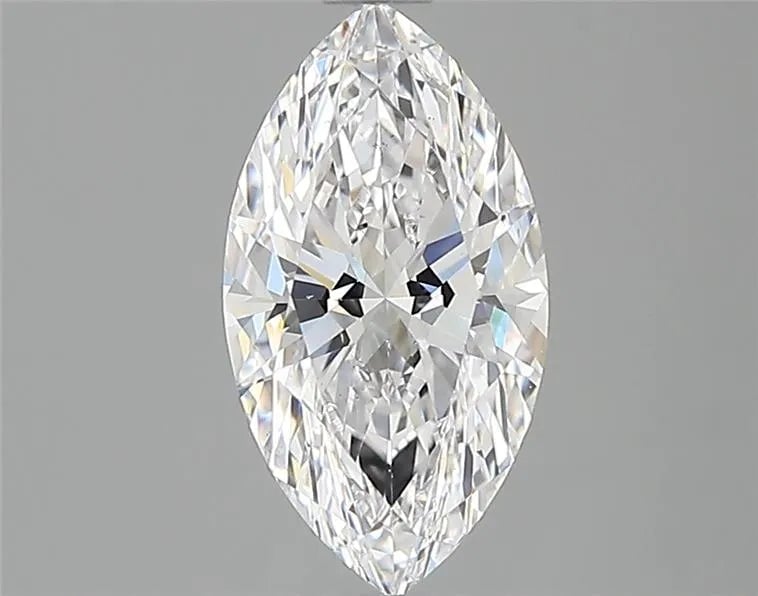
Colour grading runs from the highest, most colourless grades down through tinted ones, and the Midas catalogue spans a range, including stones graded D, E, F, G, and H. Clarity grades in the listings stretch from Internally Flawless and VVS grades down to VS and SI grades, giving a spread of options at different clarity levels. Cut grades noted across the catalogue include Excellent and Very Good, alongside separate polish and symmetry ratings for each stone. Fluorescence is also recorded on each listing, ranging from none to faint, which is a detail some buyers weigh when comparing otherwise similar stones. Reviewing these specifications side by side is part of how a certified natural diamonds investment approach gets built, stone by stone, rather than through a single blanket purchase.
The brand also offers personal advice as part of its service, describing this as help with selecting a diamond for investment purposes. Combined with published certificates and measurements, this gives buyers more than one way to evaluate a listing before committing to it. Whether the focus is a small round stone or a larger fancy-shaped diamond, the underlying grading data remains the reference point.
Taken together, certification, direct sourcing, and loose-stone handling form the practical backbone of how natural diamonds get evaluated as an asset class. Midas‘s catalogue, spanning multiple cuts, colours, and clarity grades, reflects how varied that evaluation process can be in practice.