Air travel across East Africa blends practical comfort with a sense of occasion, and Kenya Airways travel fashion sits right at that intersection. Passengers connecting through the carrier’s Nairobi hub often think about more than just a seat assignment when they pack. This article looks at how dress codes, cabin comfort, and climate shape what travelers wear when flying this particular route network.
Kenya Airways Passenger Dress Code Standards
Kenya Airways does not enforce a rigid dress code for general boarding, but unwritten expectations still guide passenger choices at its gates. Because the airline operates as a major connecting point between African capitals, many travelers dress with an eye toward multiple immigration checks in a single journey. Neat, presentable clothing tends to smooth interactions at check-in counters and transfer desks alike.
Footwear and layering often matter more than the exact cut of an outfit. A smart-casual approach, closed shoes rather than open sandals, and a light jacket for air-conditioned terminals cover most situations. This kind of preparation also helps passengers move comfortably between cooler cabin air and the warmer conditions waiting outside on arrival.
Professional Travel Attire for East African Routes
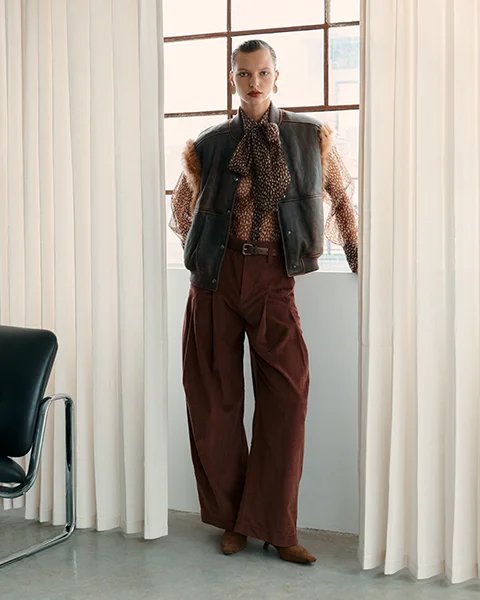
Business travelers flying regional or long-haul sectors with Kenya Airways frequently favor structured yet breathable pieces. Lightweight blazers, tailored trousers, and wrinkle-resistant shirts let a passenger step from the cabin directly into a meeting. This suits itineraries where connections through the Nairobi hub often leave little time between landing and the next appointment.
Fabric choice plays a bigger role than most packing lists admit. Natural fibers such as cotton and linen blends handle humidity better than synthetic alternatives, which matters on routes touching coastal destinations. Pairing such fabrics with a neutral palette also makes it easier to build Kenya Airways travel fashion around a single carry-on for a multi-city trip.
Business Class and Premium Cabin Fashion Expectations
Premium cabin passengers tend to lean toward a slightly elevated version of travel-ready clothing. Soft-structured blazers, fine knitwear, and tailored separates move easily between a reclined seat and a lounge area. Comfort still comes first, but the overall look on Kenya Airways premium sectors stays more considered than a typical economy outfit.
Layering matters in premium cabins, where blankets and adjustable climate controls change how a garment feels mid-flight. A light cardigan or wrap can be added or removed as the cabin temperature shifts during a long sector. That flexibility supports both a polished appearance and genuine rest across longer routes.
Casual and Comfort Wear for Long-Haul Flights
Long-haul sectors linking African, European, and Asian destinations put comfort near the top of most packing decisions. Stretch-knit trousers, soft T-shirts, and slip-on shoes reduce friction during security checks and make movement around the cabin easier. Compression socks also appear often among passengers managing extended sitting on overnight flights.
Loose-fitting layers help travelers adjust to shifting cabin pressure and temperature over many hours. A scarf or shawl doubles as an accessory and an impromptu blanket, a detail frequent flyers mention often. This adaptable, comfort-first approach has become a recognizable thread ofKenya Airways travel fashion among regular passengers on its long-haul network.
Seasonal and Climate-Appropriate Styling for African Travel Destinations
Destinations reachable through the Kenya Airways network span coastal lowlands, highland capitals, and arid regions, each with distinct climate demands. Packing for a cooler highland city differs from preparing for a humid coastal stopover. Layering remains the simplest solution, since one suitcase can then serve several climate zones without excess bulk.
Breathable fabrics, moisture-wicking materials, and a compact rain layer cover most seasonal variation across the region. Travelers connecting through several African cities often carry a single lightweight jacket for both air-conditioned lounges and warmer street-level air. That habit keeps travel fashion for this route network practical rather than purely decorative.
Accessories and Practical Fashion Items for Air Travel
Accessories often do more functional work than they get credit for during air travel. A structured tote or backpack keeps essentials organized while leaving hands free through security lines and boarding gates. Sunglasses, a neck pillow, and a reusable water bottle round out the items most frequent travelers carry on board.
Jewelry and metal accessories deserve a second thought given security screening procedures at most international airports. Minimal, easily removable pieces tend to move through checks faster than layered necklaces or multiple rings. This small adjustment can shave meaningful time off the boarding process on a tight connection, and it fits well within the broader habits that shape Kenya Airways travel fashion for regular passengers.
- Breathable, wrinkle-resistant fabrics help maintain a neat appearance across long connecting itineraries.
- Comfortable, closed-toe shoes support easier movement through security lines and jet bridges.
- A compact grooming kit with travel-sized essentials keeps a polished look intact after overnight sectors.
- Layered clothing adapts more easily to temperature shifts between cabin interiors and tropical arrival destinations.
- A neutral color palette simplifies mixing and matching across a multi-city African itinerary.
- Minimal jewelry and easily removable accessories can speed up airport security screening.
Those planning a trip through the carrier’s network can review Kenya Airways route and booking details to line up travel logistics with wardrobe needs. Confirmed flight times and connection windows make it easier to judge how many outfit changes a journey actually requires. Early planning of this kind tends to prevent last-minute packing stress before a long departure.
Fashion choices for air travel ultimately follow function first, with style built around cabin temperature, layover length, and climate at the destination. Passengers across this route network keep favoring adaptable, climate-ready clothing over rigid formalwear.