Fashion shoppers looking for pieces outside mass-market retail often turn to an independent designer fashion platform to find something less generic. These marketplaces connect individual designers directly with shoppers, skipping several layers of traditional retail buying. The sections below look at how this model works in practice and what it offers shoppers who want original, well-made clothing.
How a Designer-Driven Marketplace Is Structured
A marketplace built this way gathers work from many individual designers instead of relying on one in-house label. Rather than a single brand producing every item, numerous creative voices contribute pieces to one storefront. This structure gives shoppers access to a wider variety of silhouettes, prints, and construction styles than a single retailer typically offers. stylewe is organized on this basis, running as an online shopping platform focused specifically on women’s clothing from independent designers, which keeps its catalog distinct from a single-brand store.
StyleWe’s Approach to Designer Curation and Quality Control
stylewe describes its mission as providing shoppers with original, high-quality, and exclusive fashion products from individual designers. That framing points to a selection process focused on originality rather than mass replication. Each piece listed on the platform is attributed to the designer behind it, which keeps the connection between creator and garment visible to shoppers. This approach to attribution differs sharply from browsing a conventional big-box retailer, where the designer behind a garment is rarely named at all and production decisions rest entirely with centralized merchandising teams.
The Range of Original Designs Available Through StyleWe
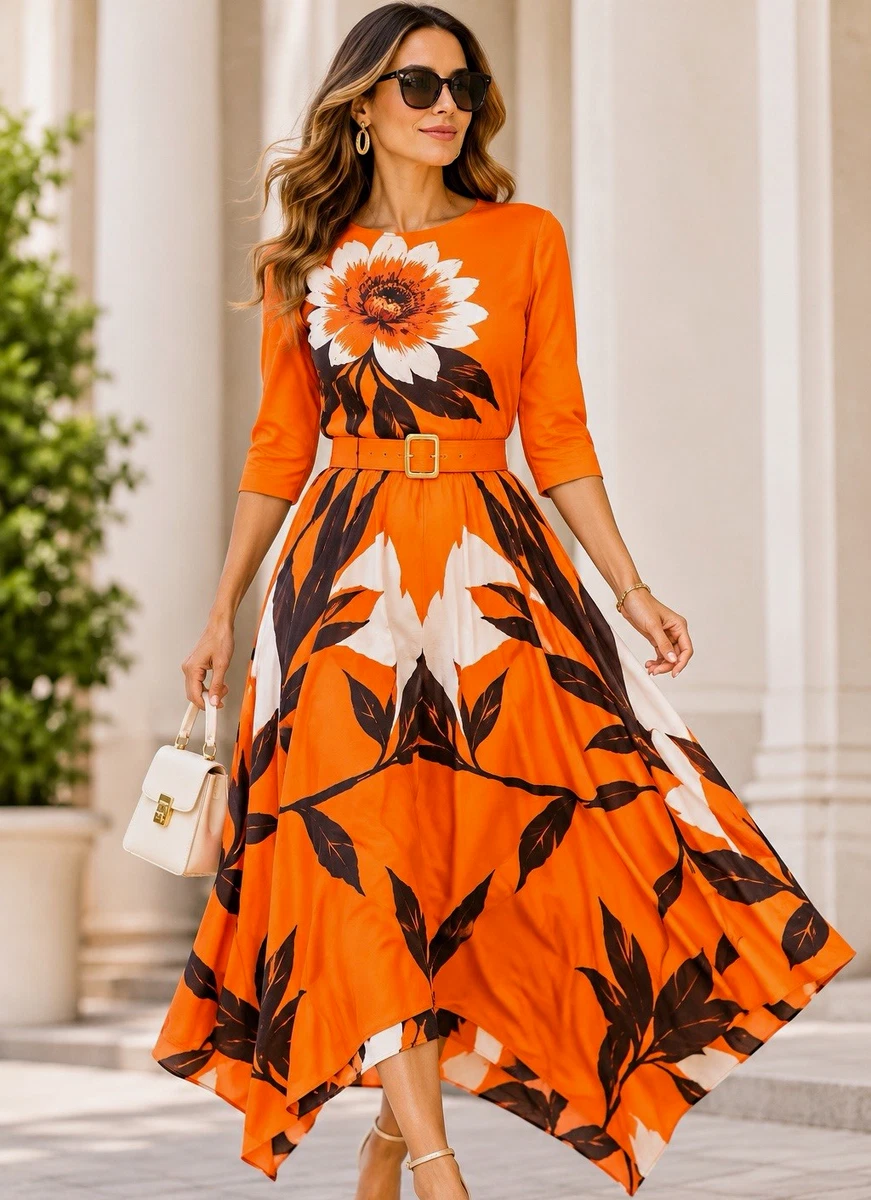
The platform centers on women’s clothing, positioned as a place to find current designs rather than items that have cycled through several seasons of retail distribution. Because the catalog is built from many independent designers rather than one production line, the range spans a mix of styles, cuts, and design sensibilities. Shoppers browsing an independent designer fashion platform like this one typically encounter pieces that are not duplicated across dozens of other retailers. That variety is part of what distinguishes a designer-driven marketplace from a conventional clothing store, where inventory tends to repeat across multiple locations and seasons.
How StyleWe’s Independent Designer Model Differs from Fast Fashion Retail
Fast fashion retail generally relies on rapid, high-volume production of a narrow set of trending styles. An independent designer fashion platform works from a different premise, built around smaller-scale, designer-attributed pieces rather than factory-line uniformity. stylewe fits this description directly, since its catalog is assembled from individual designers rather than a single mass-manufacturing process. As a result, shopping there centers on originality and designer identity rather than volume and repetition.
- Shoppers can trace a garment back to the individual designer who created it, rather than an anonymous in-house team.
- Collections draw from many different creative perspectives instead of one centralized design department.
- Pieces are positioned as original and exclusive rather than mass-duplicated across competing retailers.
- The catalog emphasizes current designs rather than items held over from earlier retail cycles.
- Browsing the platform means encountering a broader range of design sensibilities than a single-label store typically provides.
Direct-to-Consumer Fashion: Supporting Individual Designers Through Online Marketplaces
Direct-to-consumer marketplaces give independent designers a channel to reach shoppers without going through traditional retail buyers first. stylewe operates as this kind of channel, connecting individual designers directly with the people who browse and shop the platform. For designers, that structure means original work reaches an audience without first needing acceptance from conventional retail gatekeepers. For shoppers, it means encountering pieces that have not necessarily already filtered through several layers of mainstream retail selection. The direct connection also eliminates markup layers that conventional wholesale distribution typically requires, since the designer and end customer interact through a single platform rather than across multiple intermediaries.
Building a Wardrobe from Independent Designers
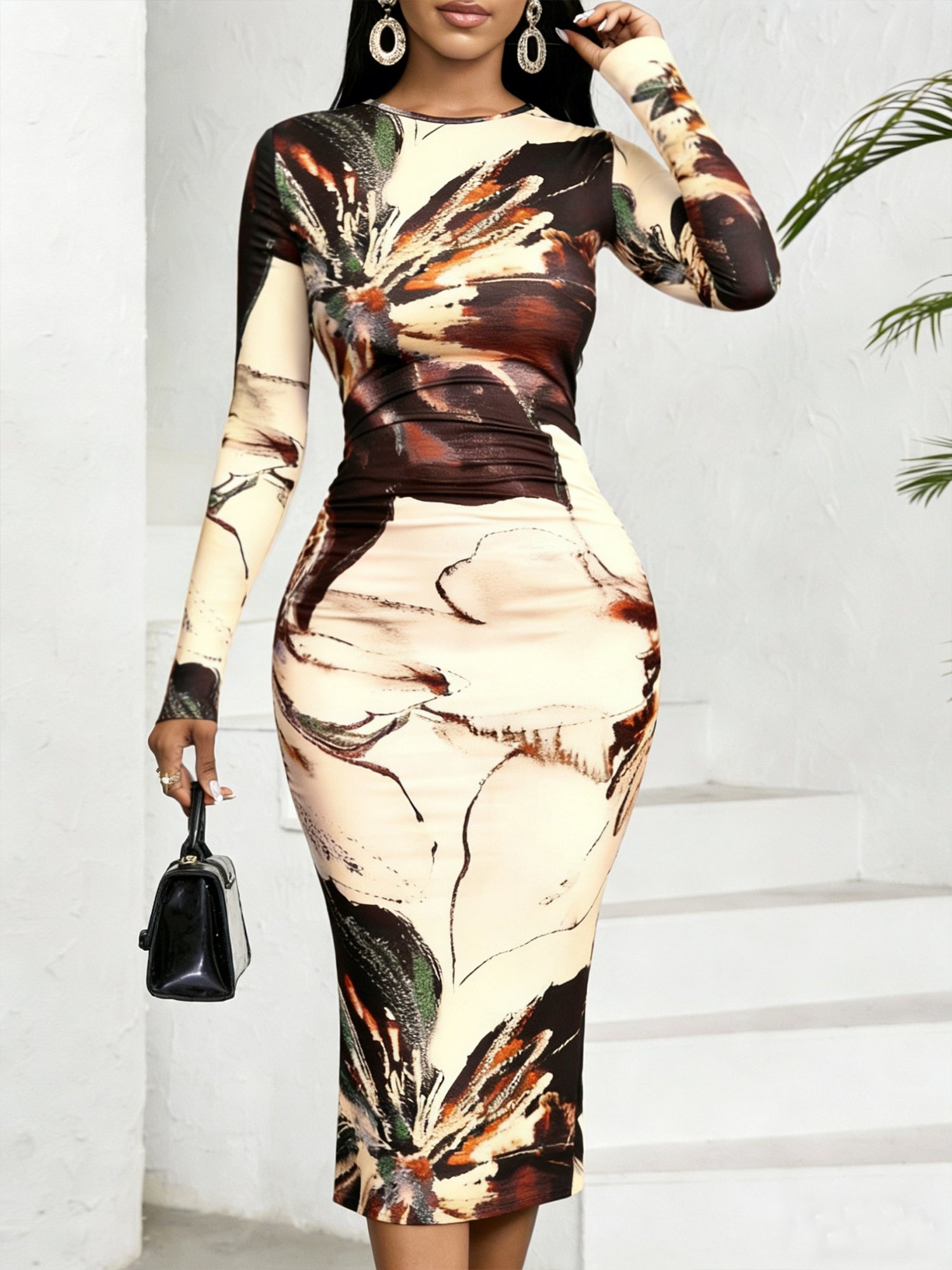
Assembling a wardrobe from independent designers is a different exercise than filling a closet from a single fast fashion chain. Because an independent designer fashion platform draws from many different creators, a shopper can mix pieces with distinct design identities rather than matching items from one uniform collection. stylewe‘s structure, centered on women’s clothing from individual designers, supports this kind of mixed approach. Over time, that can mean a wardrobe shaped by a broader set of design perspectives rather than one retailer’s seasonal output.
Shopping this way also changes how a piece gets chosen in the first place. Instead of picking from a single curated line, a shopper moves across many designers’ interpretations of similar categories, like outerwear or dresses. That range is a defining feature of the independent designer fashion marketplace model generally, and it shapes how the catalog in question gets presented. A shopper interested in finding a specific garment type, such as a blazer or a casual top, encounters multiple designer approaches to the same piece rather than a single house style repeated in different materials or colors.
Independent designer fashion platforms offer shoppers something other retailers cannot easily replicate: direct access to original design work backed by real creative voices rather than anonymous production cycles.