Cinema-style looks used to require renting glass that cost more than most cameras. Prism Lens FX built a catalog of affordable creative filters that bring diffusion, flare, and refraction effects into reach for photographers and video shooters working outside a studio budget. The range covers circular mounts, handheld prisms, and large-format cinema filters, which means the same visual techniques scale across very different kits.
Dream FX and Starburst FX: The Foundation Filters
Dream FX Filter sits at the center of the Prism Lens FX catalog as its best-selling piece of glass. It creates a soft, dreamlike cinematic look by targeting highlights with a gentle diffusion effect, and it now comes in three mount options along with three filter strengths, 1/8, 1/4, and 1/2. Starburst FX pairs naturally with it, pulling pop and flare out of bright points in a frame. Both are described by the brand as must-haves for photographers and cinematographers building a first filter kit.
These two filters also exist in the larger 4×5.65 cinema format, so the same effects travel from mirrorless cameras to full cinema rigs. That consistency is part of what makes the range function as a system rather than a pile of unrelated add-ons. A shooter can start with a smaller mount and later add the 4×5.65 version without learning a new effect from scratch.
Soft and Warm Effects with Cine Soft FX and Nostalgia FX
Cine Soft FX pushes the diffusion idea further than the standard Dream FX look. It is built with a stronger softening effect designed to bloom highlights, soften skin tones, and lift contrast for a more pronounced cinematic feel. Prism Lens FX positions it as the next step up from Dream FX for anyone wanting a heavier treatment on the same basic effect.
Nostalgia FX takes a different route by combining a classic warming filter with the Dream FX design. The result is a warmer, richer color cast alongside the same softened highlights and skin tones. It is one of the clearer examples in the catalog of two established effects merged into a single piece of glass instead of stacking two separate filters.
Specialty Effects: Flare FX, Lucid Dream FX, and Linear Prism FX
Flare FX creates an anamorphic-style flare off point-source highlights, and its rotating design lets the flare’s position be adjusted within the frame. It comes in variations such as Blue Flare FX and Rainbow Flare FX, giving different color casts to the same anamorphic shape. This is one of the more specialized looks in the lineup, built specifically for shooters chasing a lens-flare aesthetic without anamorphic glass.
Lucid Dream FX is described as the boldest, strongest, and softest filter in the catalog. Its coating was redesigned with a sparkle-like texture to push the dreamy effect further than the standard Dream FX. Linear Prism FX, meanwhile, creates multiple subject replications and refractions that shift with focal length, which suits both photo and video work. Moody FX rounds out this group as a collaboration piece that stacks the Dream FX and Starburst FX looks into one filter.
Handheld Prism Options for Mobile and On-Set Flexibility
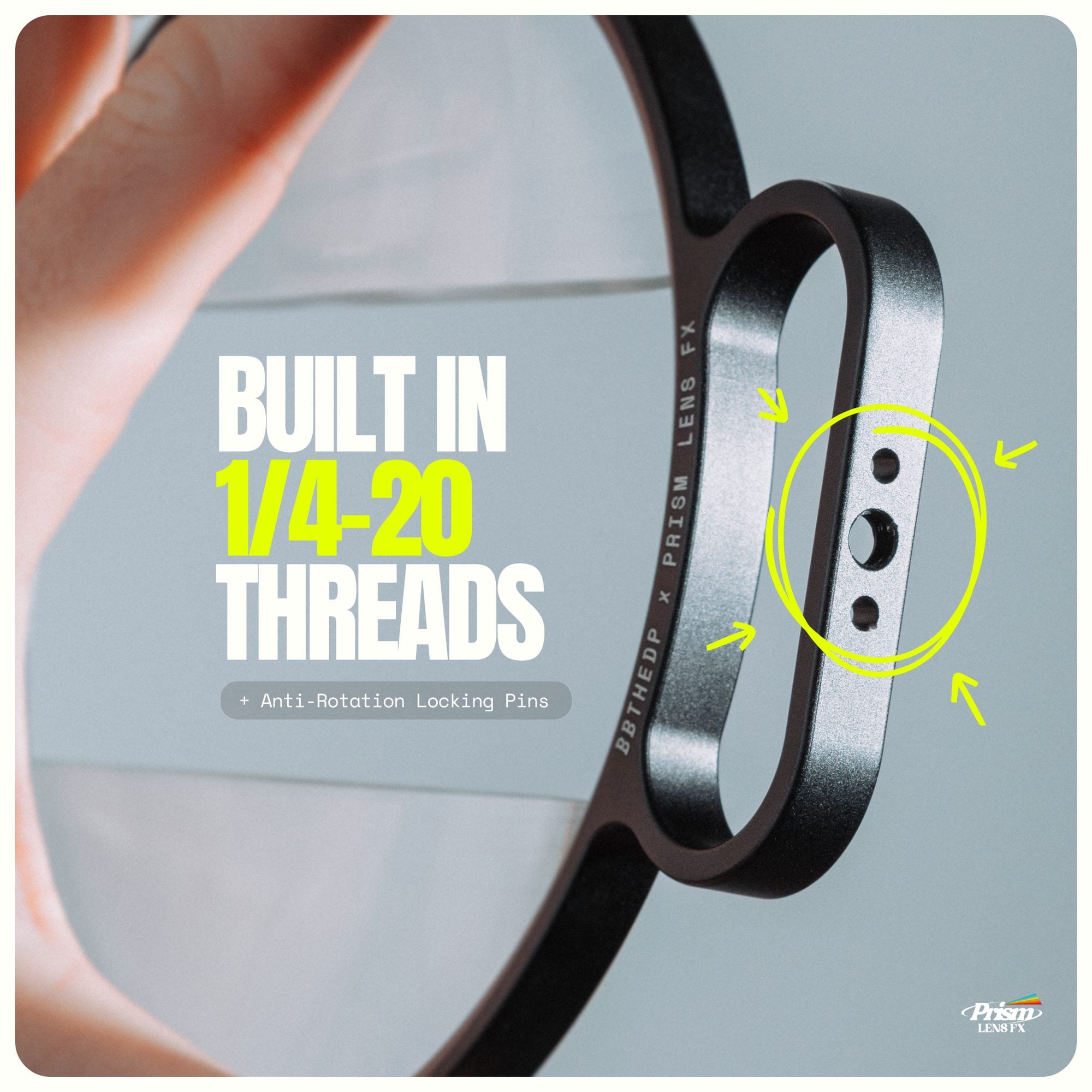
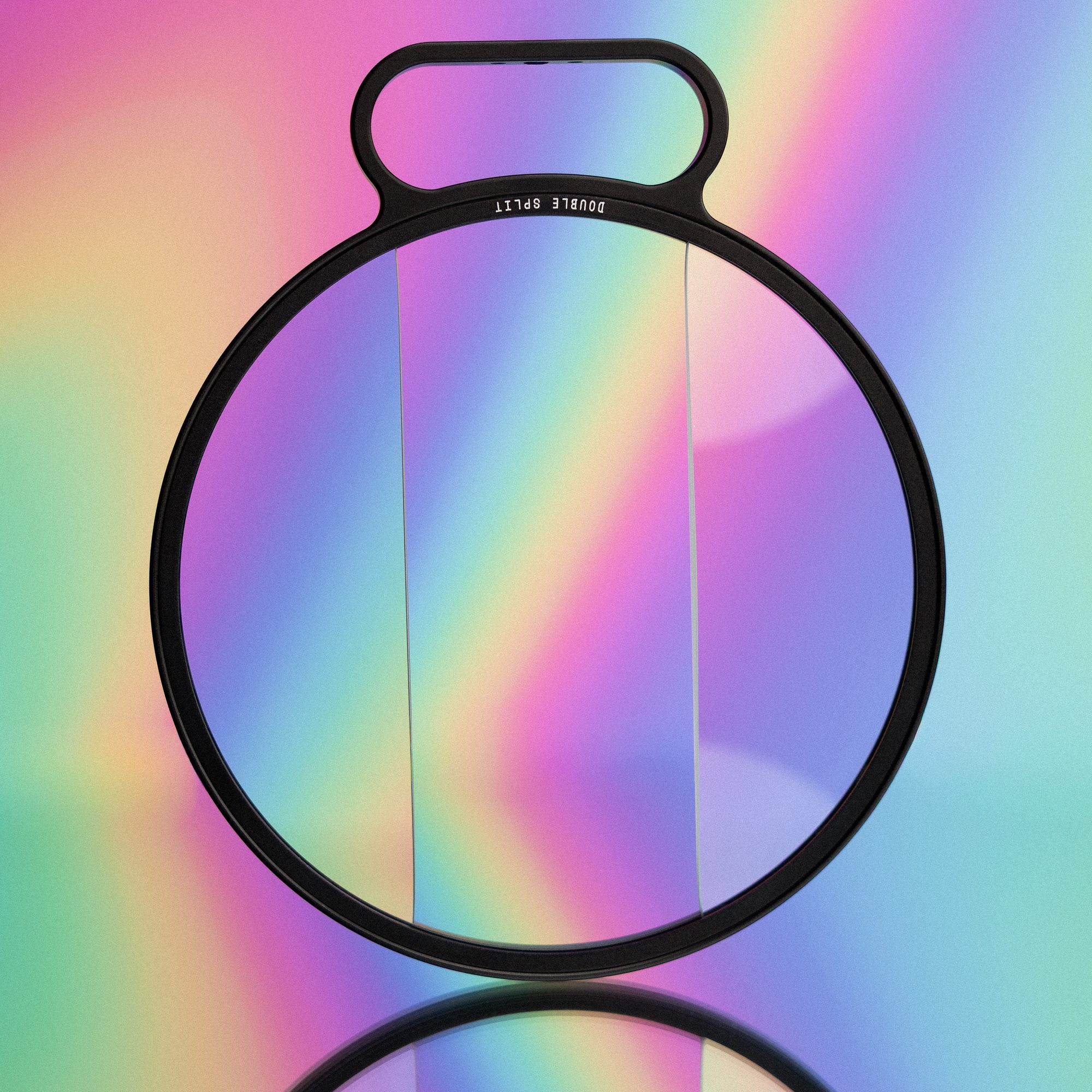
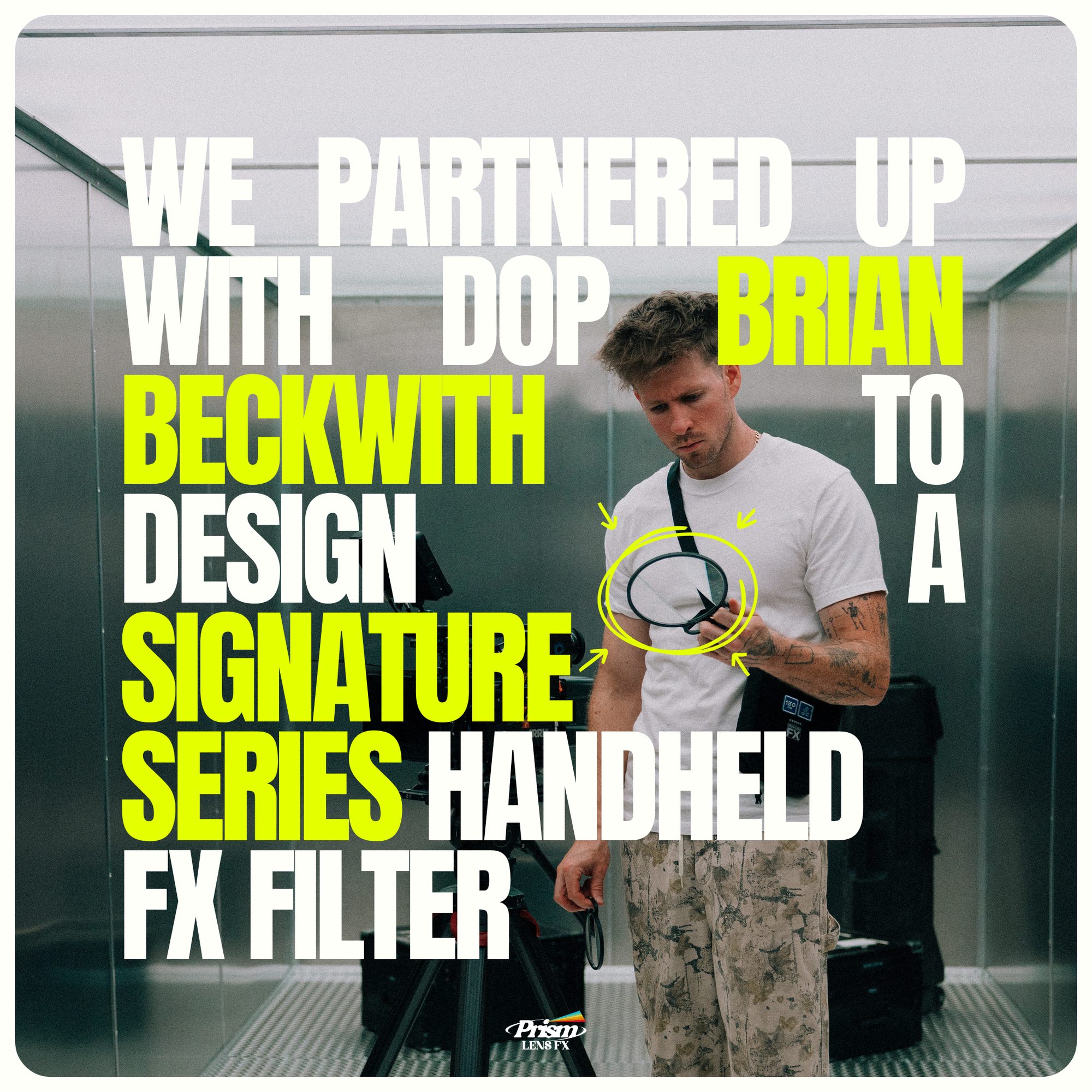
Beyond the circular mounts, Prism Lens FX sells a separate handheld line that includes Handheld Ripple FX, Handheld Ghost FX, Handheld Phantom FX, Handheld Spectre FX, and Handheld Split Halo FX, among others. Shapes like the Orb Prism and Triangle Prism fall into this same handheld category. These pieces are held in front of the lens rather than mounted, which gives a shooter more control over where a refraction or ghosting effect lands in frame.
Because they are not threaded onto the lens, handheld filters also move easily between cameras and phones during the same shoot. A bundle option exists for assembling a handheld set rather than buying each shape separately. That flexibility matters on set, where a quick change of effect can happen between takes without swapping a mounted filter.
Filter Formats and Compatibility Across Camera Types
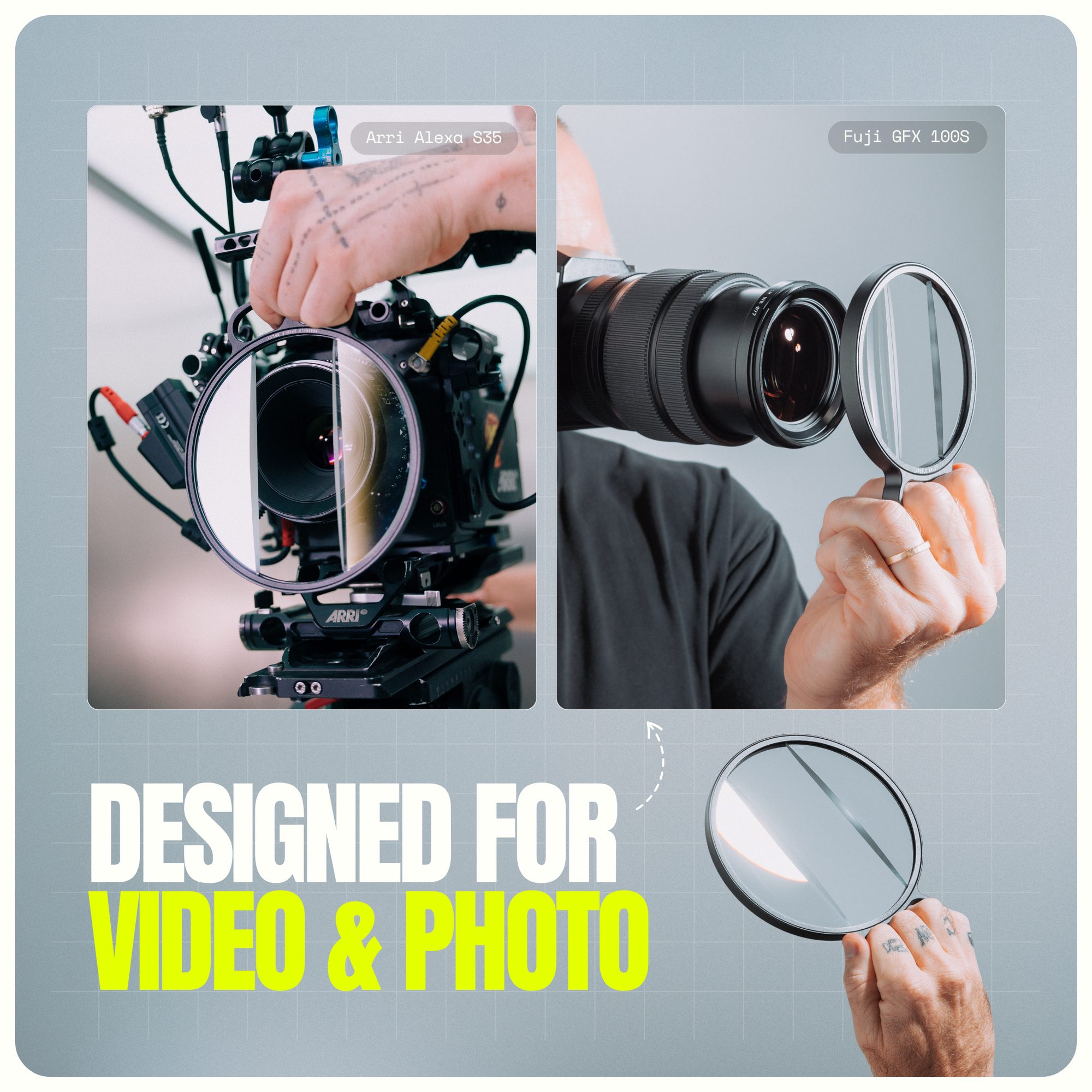
Compatibility is where the affordable creative filters idea becomes practical, since a shooter can carry one piece of glass between a stills camera and a cinema rig instead of buying a second kit of mounts, and a Freeform Phone Adapter even extends the same filters to a handset. Prism Lens FX filters are not locked to one camera body or one lens diameter. Many circular filters, including Lucid Dream FX, are available across a run of thread sizes from 49mm up through 95mm, and most circular effects also come in Magnet Mount, Threaded, or 4×5.65 options.
That spread means the same visual effect can be fitted to a small mirrorless lens or a larger cinema lens without switching product lines. Adapter rings and filter trays sold separately help bridge mismatched thread sizes, which keeps a single filter usable across more than one camera body. For a shooter who rotates between a stills camera and a video rig, this compatibility avoids duplicating a filter collection twice.
Building a Multi-Effect Kit for Different Production Needs
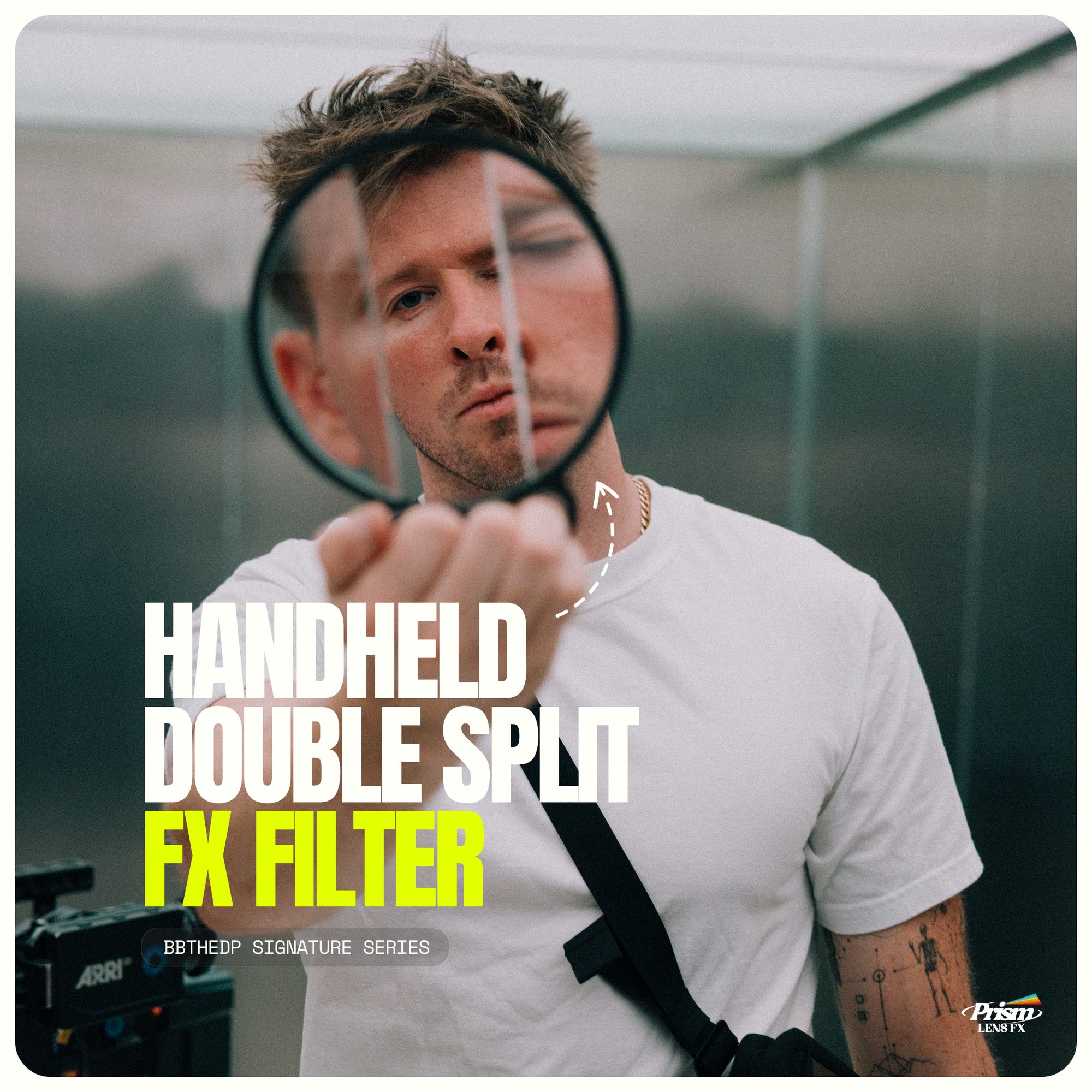
Because each filter targets a distinct look, the range naturally encourages combining several pieces rather than relying on just one. A kit built around Dream FX, Starburst FX, and a handheld prism covers softening, pop, and on-the-fly refraction in a single bag. Adding Flare FX or Linear Prism FX extends that same kit into anamorphic-style flares and multi-image refractions for different scenes.
- Circular filters come in Magnet Mount, Threaded, and 4×5.65 cinema formats depending on the effect.
- Several circular effects, including Dream FX, are sold in multiple strengths such as 1/8, 1/4, and 1/2.
- Thread sizes for filters like Lucid Dream FX span 49mm, 52mm, 58mm, 67mm, 77mm, 82mm, and 95mm.
- The handheld line includes distinct shapes such as Orb Prism, Triangle Prism, and Split Halo variants.
- A dedicated handheld bundle option exists for assembling several handheld prisms together.
None of this requires mastering studio-grade cinema equipment to get a usable result. The practical appeal of affordable creative filters is that a single purchase can cover more than one production need at once, from a portrait session to a short film. A Go-Bag accessory, built in collaboration with another brand, also gives a growing filter kit a dedicated place to travel.
Seen together, the catalog reads less like a single product and more like a toolkit assembled in stages. A shooter can start with one or two circular filters and add handheld prisms or cinema-format glass as projects demand. Each addition slots into the same thread sizes and mount types already on hand.