Photo printing promises a lasting keepsake, but a surprising number of orders fall short of that goal because of a handful of avoidable missteps. Many shoppers assume all glossy paper is equal, that shipping speed signals rushed work, or that a wallet print and a large print should look identical. Understanding what actually separates archival quality prints from ordinary output can save a cherished photo from fading, warping, or looking washed out within a few years.
Confusing Archival Quality Papers With Ordinary Glossy Stock
A common mistake is treating every glossy finish as interchangeable. mpix prints on certified archival quality papers, and the company states its photographic paper collection is built for color accuracy, processing performance, and image stability rated to last over 100 years. That is a different proposition than a generic glossy sheet bought off a shelf, which carries no such rating.
Shoppers who skip past paper type during checkout often end up with a finish that does not match expectations. mpix offers E-Surface or Metallic paper types for its standard Photo Prints, and the difference in texture and sheen affects how a framed piece reads on a wall versus in an album. Picking a finish without understanding this distinction is one of the easiest ways to end up disappointed later.
Why Canvas and Metal Prints Demand Different Handling Than Traditional Prints
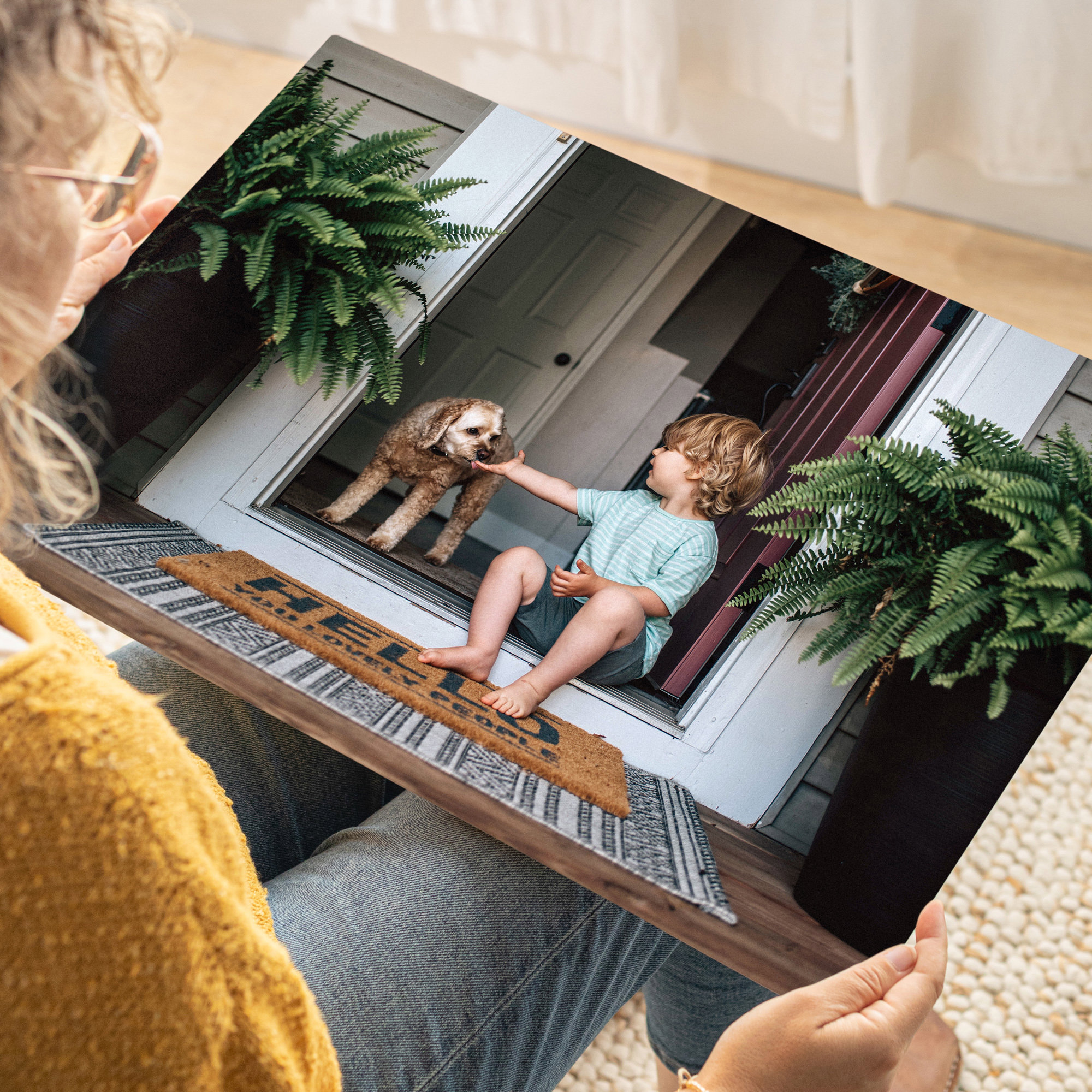
Wall art is not simply a bigger version of a standard print, and treating it that way leads to mismatched expectations. mpix describes its Canvas Prints as built with archival quality canvas, while Metal Prints come in glossy or matte finish and Wood Prints are printed directly onto wood. Each material behaves differently under light and handling, so assuming they share identical care needs is a mistake worth avoiding.
Framed Prints are listed among the most popular wall art options, which suggests many customers prefer the structure a frame adds. Choosing between canvas, metal, wood, or a framed print should depend on the display surface and the look desired, not just on whichever option appears first while browsing.
The Color Correction Myth: How Wallet Prints Differ From Standard Prints
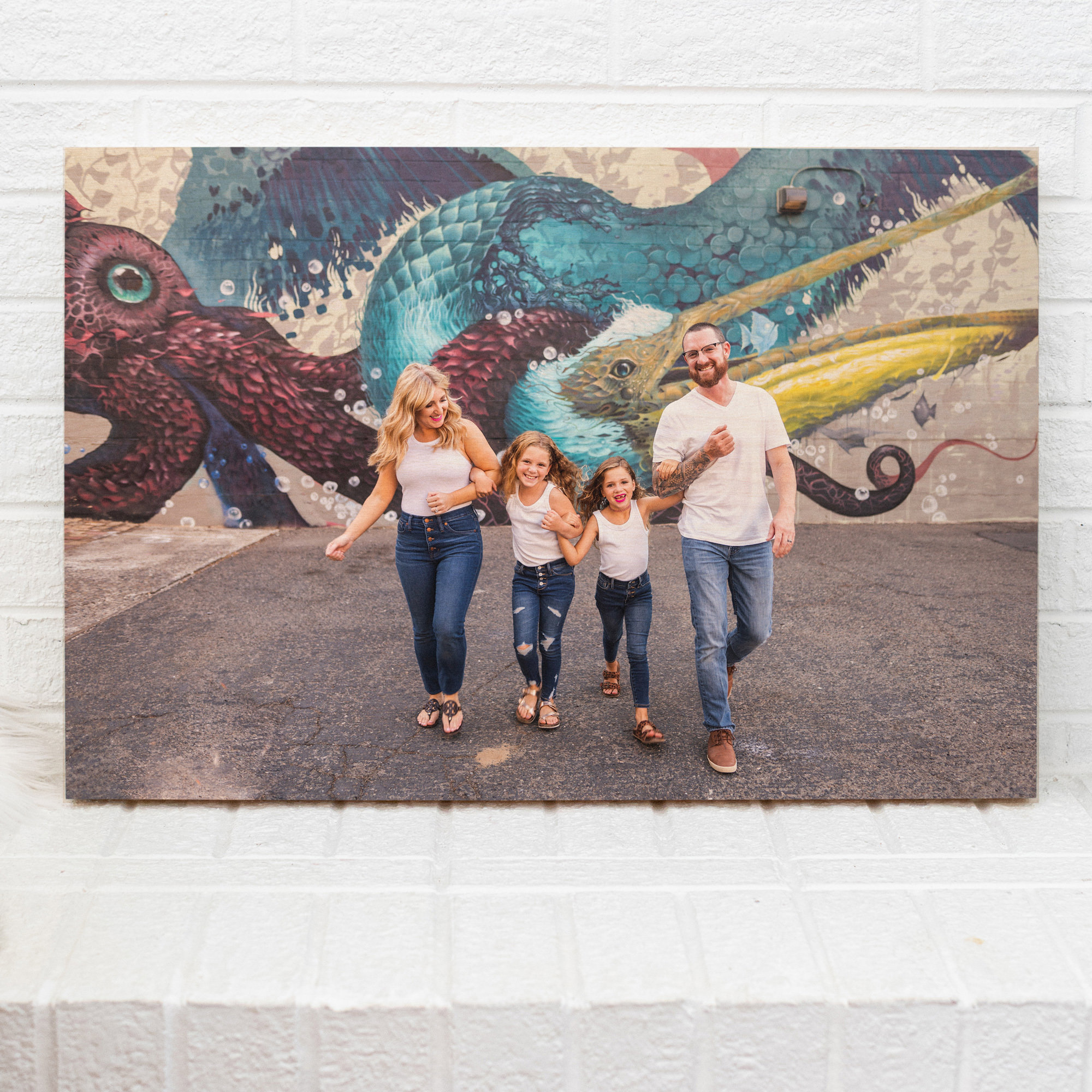
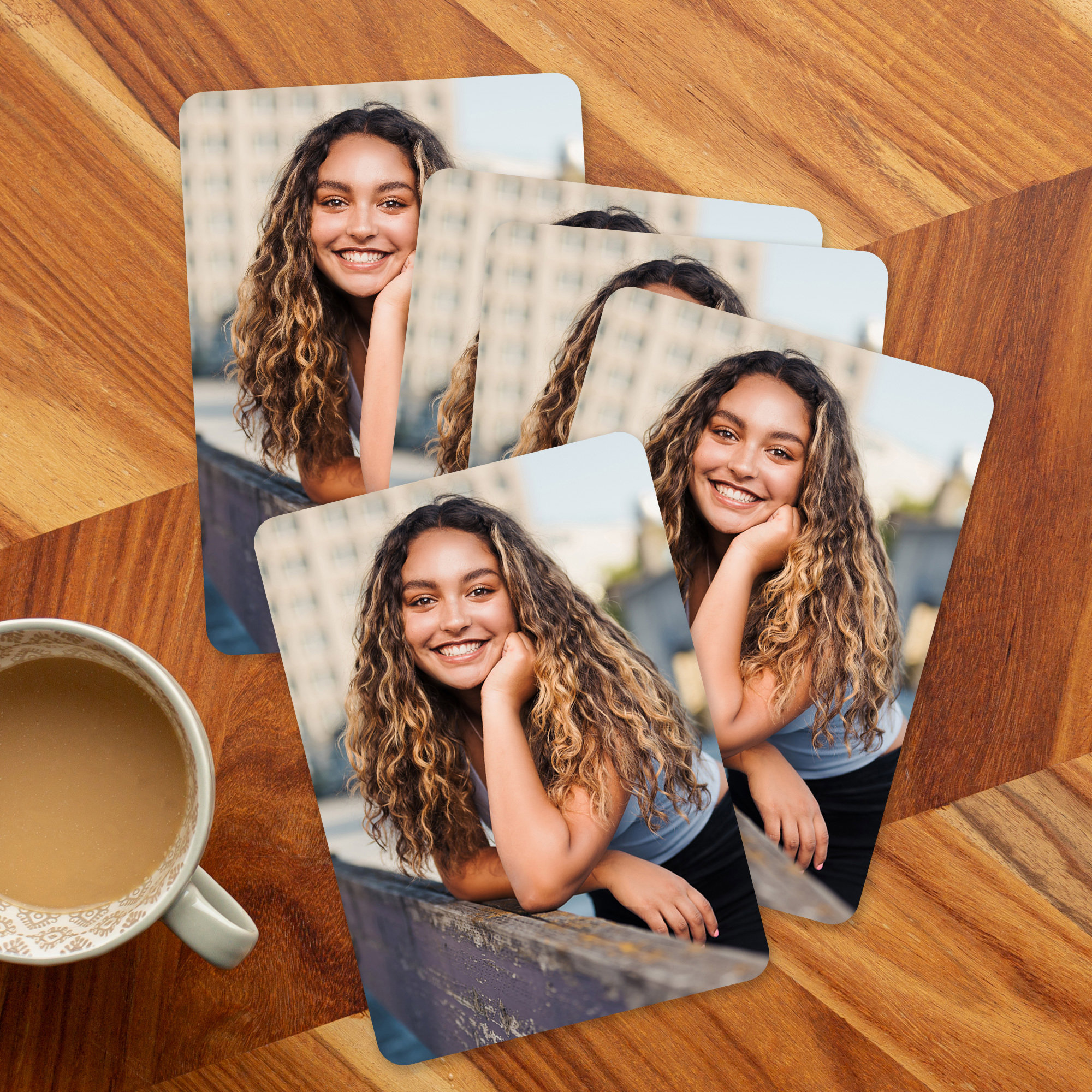
There is a persistent assumption that every print size receives the same color treatment, which is not quite accurate. mpix specifically notes that its Wallet Prints include free color correction, a detail called out separately from its general Photo Prints line. That distinction matters for anyone ordering small batches of wallet-sized photos for sharing, since the correction step is built into that product specifically.
More broadly, mpix states that a real expert personally reviews photos and adjusts density, color, and contrast on monitors calibrated to match its printers. Understanding this step can prevent confusion when a printed photo looks subtly different from the screen version, even though the adjustment was meant to improve the final result.
Misconceptions About Handcrafted Assembly in Midwest Photo Labs
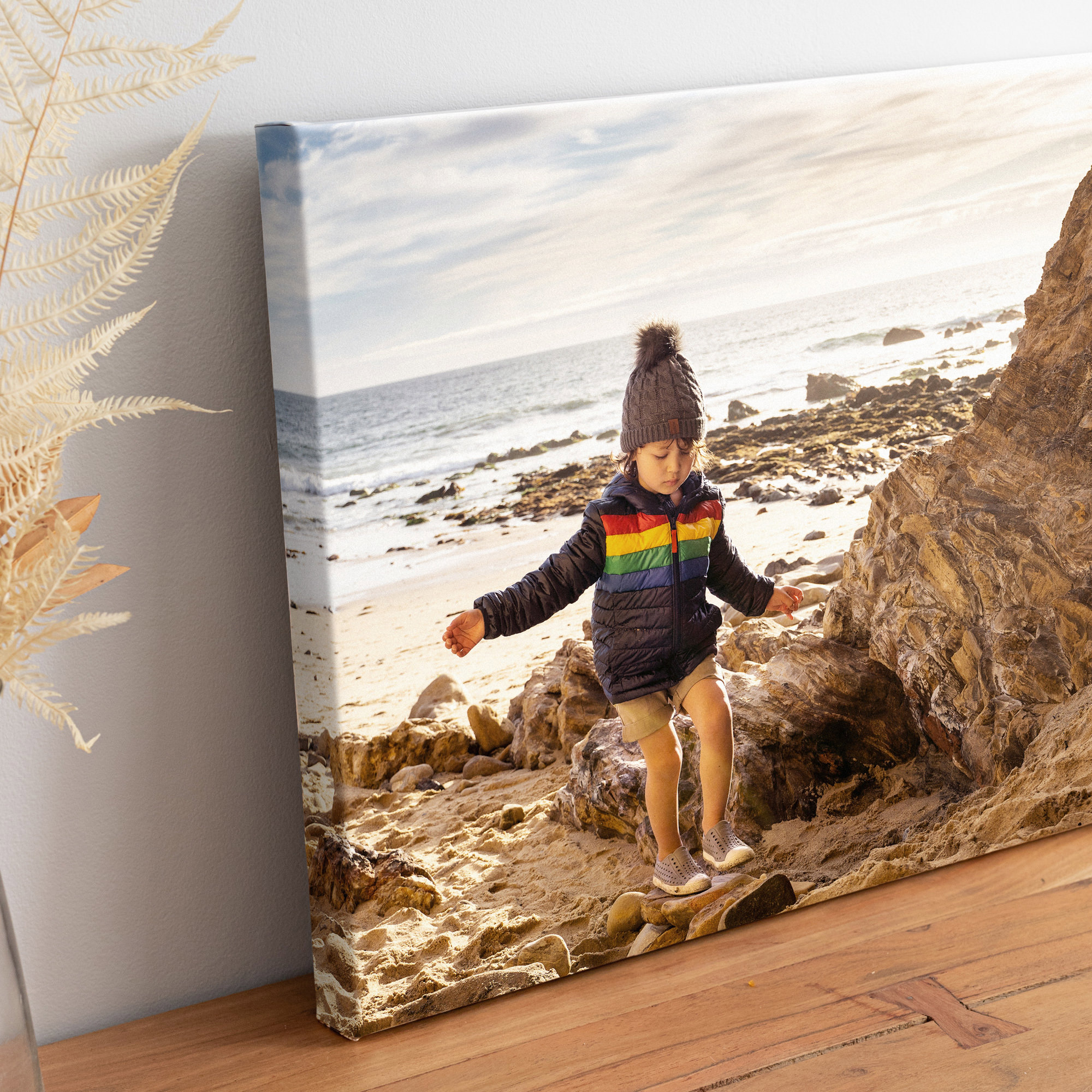
Another widespread misconception is that speed and handcrafted work cannot coexist. The brand states that every order is printed and assembled by team members in Missouri and Kansas, a point repeated across several product pages. That includes in-house color experts and a dedicated shipping team, framed as part of a quality process rather than a purely automated one.
Assuming mass production methods apply here misses the point of how the lab describes its own operation. Giclee Prints, for example, are called out as made in the Midwest, with every single print color-checked, printed, and packaged by team members, according to the brand’s own product pages.
Photo Books and Albums: Hardcover vs. Softcover Durability Expectations
Photo books are often ordered without much thought to the difference between binding styles, which can lead to mismatched expectations about how a book will hold up to handling. mpix offers Signature Photo Albums described as handcrafted leather albums, Premium Hardcover Books listed as most popular, Premium Softcover Books positioned as suited for camera roll photos, and Classic Photo Books that hold up to 100 pages. Each of these serves a different purpose, and treating them as one interchangeable category is a frequent ordering error.
A softcover book intended for casual, frequent flipping is simply not built the same way as a leather signature album meant for occasional display. Recognizing which product fits which use case, rather than defaulting to whichever option is quickest to browse, prevents disappointment when the finished book arrives.
Fast Shipping and Quality: Debunking the Speed-Versus-Craftsmanship Trade-off

A lingering myth holds that fast turnaround automatically means lower craftsmanship. The brand states that its team prints and ships orders in as little as 48 hours, and separately notes that standard Photo Prints ship within one business day. Free standard shipping is also available on qualifying orders, which is a shipping policy detail rather than a quality claim.
Pairing rapid processing with the handcrafted claims made elsewhere on the site suggests the two are not positioned as opposites. Custom Photo Ornaments, for instance, are said to ship in 1 to 2 business days despite being printed on metal or glass with double-sided options. That combination of a quick turnaround and a described handmade process is central to how the operation presents itself.
- Choosing a paper or material type at random without checking whether it carries an archival rating.
- Ordering a large wall art piece in the same finish as a small desk print without considering how size changes the viewing experience.
- Assuming every print size receives identical color correction when some products call out that step specifically.
- Picking a softcover photo book for an item meant to be displayed rather than handled frequently.
- Overlooking stated processing times and assuming a fast shipment means a rushed or lower-quality product.
Attention to paper type, product-specific features like free color correction, and binding style helps match an order to its intended use. Archival quality printing delivers lasting results only through careful selection of the appropriate product and finish.