Shoppers researching everlane sustainable sourcing myths often arrive with assumptions borrowed from fast fashion, then get confused when the pricing or materials don’t match that script. Some think factory transparency is a marketing slogan rather than a documented practice, while others assume organic cotton automatically means something it doesn’t. Sorting fact from assumption matters, especially when the brand’s own language about markups, certifications, and craftsmanship gets repeated without context.
What ‘Without Traditional Markups’ Really Means for Everlane Pricing
Everlane describes itself as making essentials at the best factories, without traditional markups. That phrase gets misread as a promise of rock-bottom prices across every category, which isn’t quite the claim being made. Instead, it refers to a pricing approach tied to production and factory relationships rather than a blanket discount structure.
The brand’s site also notes that pricing includes duties and VAT, and that free shipping applies on qualifying orders. None of that is a sustainability certification on its own, but it does shape how the overall cost of an item is presented. Treating the markup language as a durability or quality guarantee is one of the more common everlane sustainable sourcing myths circulating among new customers.
The Box-Cut Tee and The Utility Barrel Pant: Bestsellers Versus Durability Myths
The Box-Cut Tee in Essential Cotton has reportedly sold over 1M units, and it’s made of 100% organic cotton with a crew neck and a slightly cropped length. Popularity numbers like that speak to demand, not to an independent durability rating. A high sales count doesn’t by itself confirm claims about longevity that some shoppers assume come attached to it.
The Utility Barrel Pant is made of medium-weight cotton twill with a touch of stretch, a high rise, and a curved leg in a cropped length. Its description focuses on fit and styling rather than lifespan claims. Reading sales volume as proof of durability is a mistake worth separating from what the product page actually states.
Organic Cotton and Recycled Materials: Understanding Everlane’s Fabric Certifications
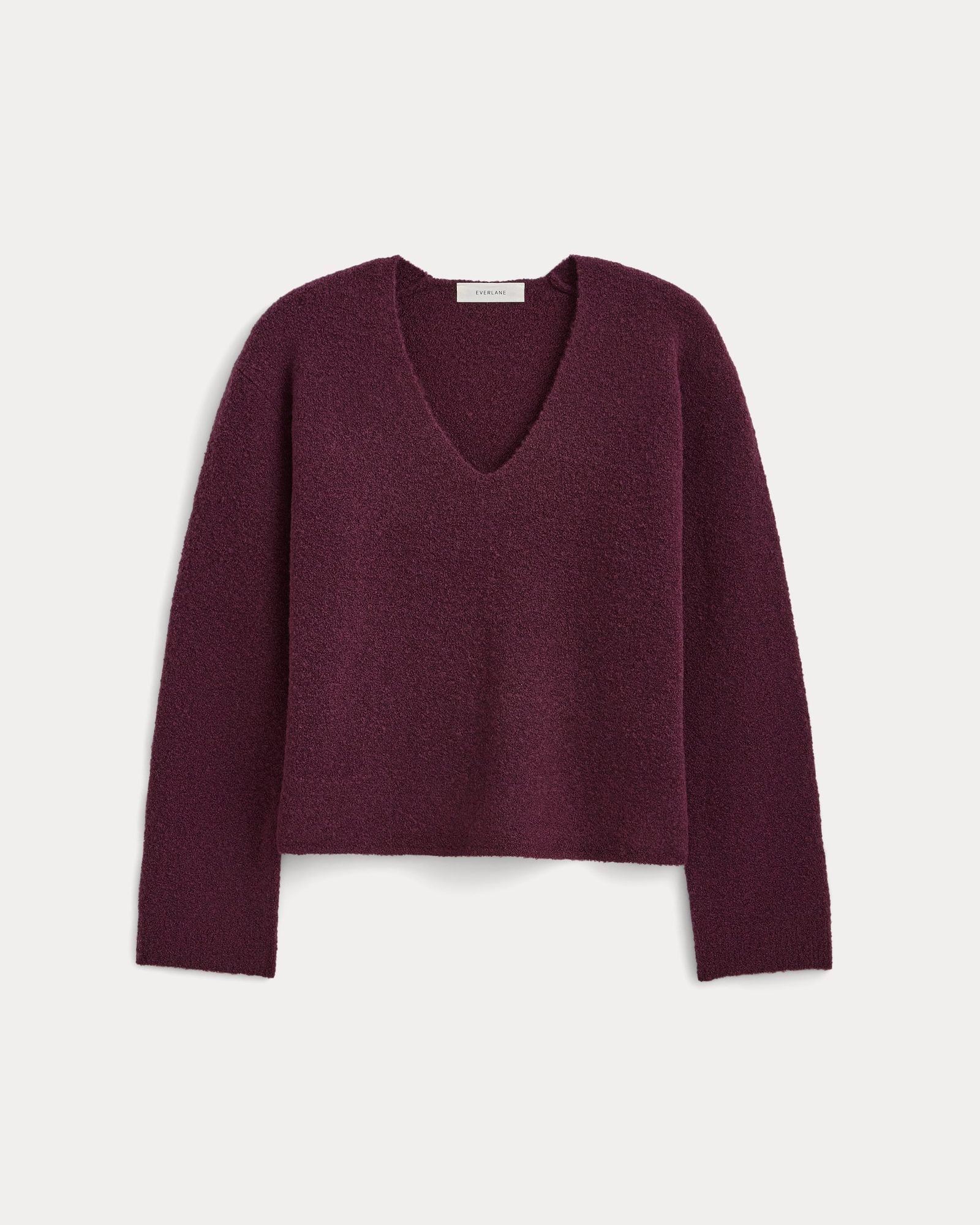
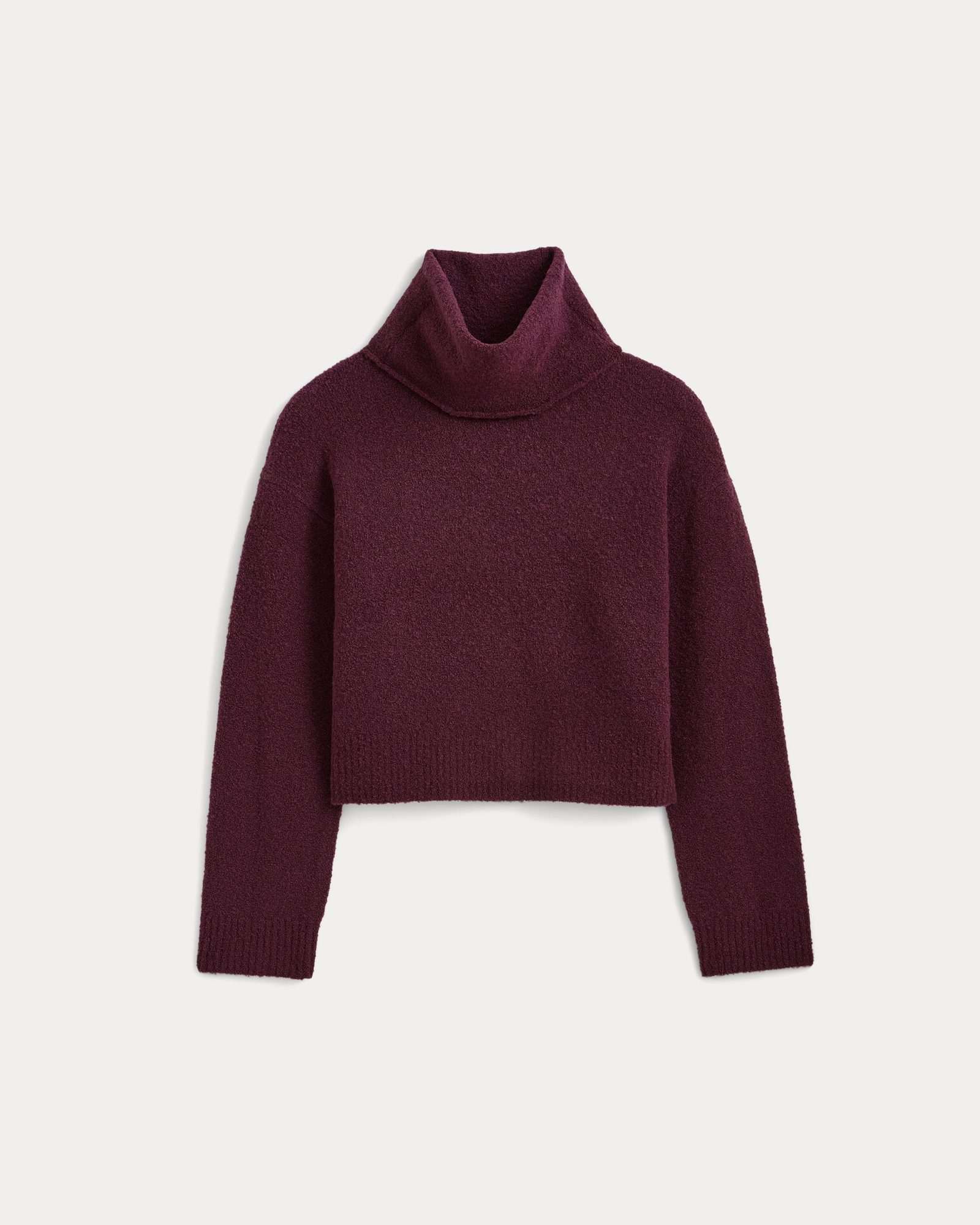
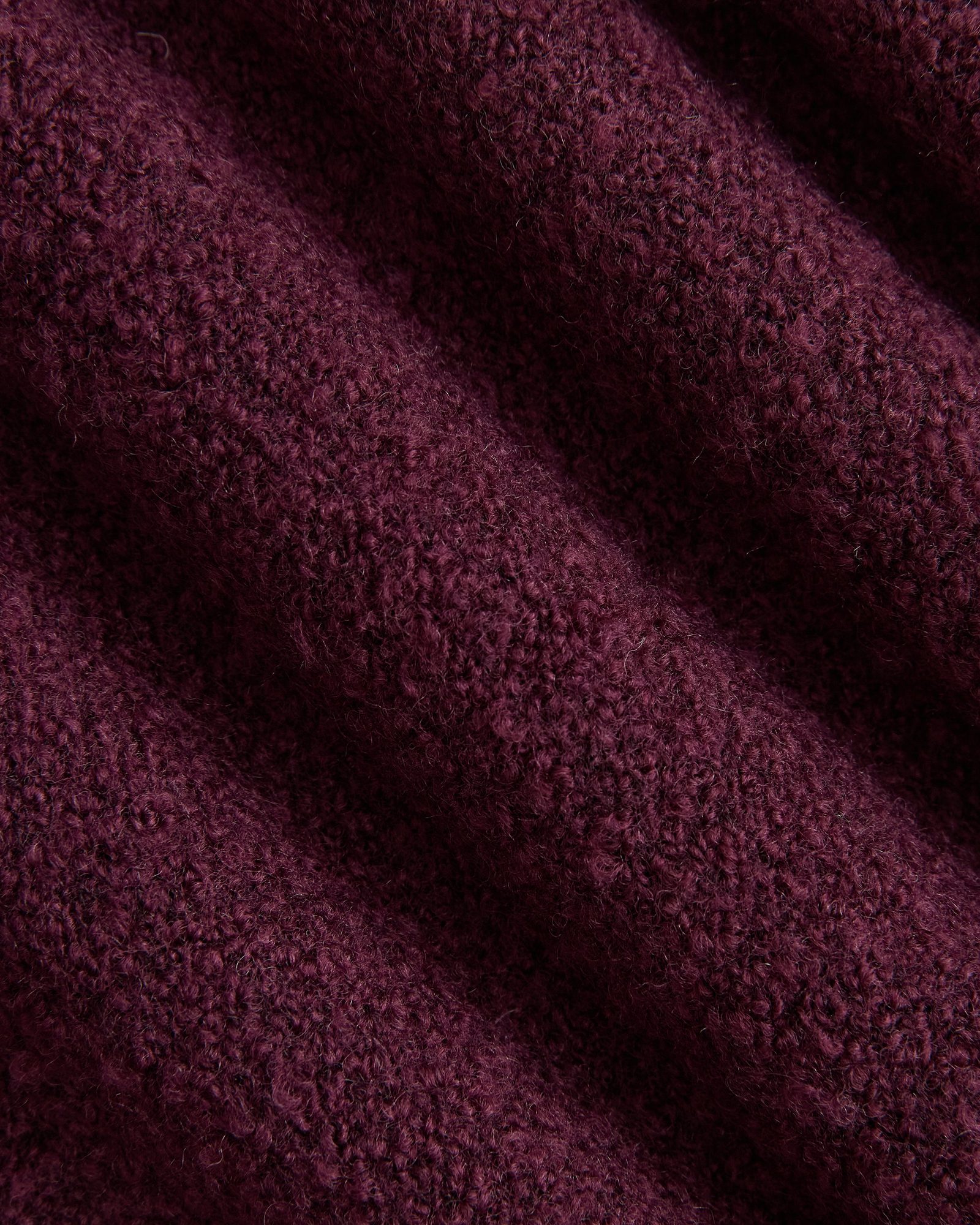
Several sweaters in the lineup list specific material blends, such as wool, recycled nylon, and elastane in the Bouclé Oversized Turtleneck Sweater. The Boxy Turtleneck in Everyday Cotton is made with organic cotton and ribbed detailing. These are concrete material facts, not vague eco-language, and they differ from garment to garment rather than applying uniformly across the catalog.
The Glove Mule in ReKnit is described as made from renewed plastic, which is a different material story than the organic cotton pieces. That distinction matters because assuming every item uses the same fiber or certification is one of the most persistent everlane sustainable sourcing myths. Each product description carries its own material breakdown, and the specifics shift by category and even by color variant.
Factory Transparency and Third-Party Verification: How Everlane’s ‘Receipts’ Work
The brand’s site states that materials, factories, and certifications are verified, traceable, and third-party backed, under a section titled Sustainability Is Better With Receipts. This framing positions transparency as a documented practice rather than an abstract value statement. It also implies that claims are meant to be checked against outside verification, not simply taken on faith.
This is where some of the sourcing myths break down under scrutiny. A shopper who assumes transparency means every single material or factory detail is published in exhaustive depth may be expecting more specificity than any single product page provides. The broader claim is about traceability and third-party backing as a standard, not a guarantee that every fact is listed on every listing.
Why ‘Responsibly Crafted’ Doesn’t Mean Luxury-Tier Production
Everlane’s messaging includes a line stating that luxury was built on longevity and quality, not just price, under the heading Better Isn’t Made Fast. That statement draws a contrast with fast fashion rather than claiming equivalence with luxury houses. Confusing craftsmanship intention with a luxury price point is another frequent misread of the brand’s language.
The Collegium x everlane collection, made in Italy, includes the Court and Pista Sneakers, the Moc Toe Derby, the Stretched Loafer, and the Summit Boot. These are specific, named products tied to a specific production location, which is a concrete detail rather than a vague craftsmanship claim. Even so, the existence of one collection made in Italy doesn’t extend a luxury label to the entire range.
The Boxy Oxford and Cult Favorites: Quality Standards Across the Range
The Boxy Oxford is made of organic cotton and features a point collar, dropped shoulders, a button front, and patch pockets. It sits within a section the brand calls Cult Favorites, alongside other repeat-purchase styles. Being labeled a favorite reflects customer habit patterns, not a separate or elevated manufacturing process.
The Luxe Rib Long-Sleeve Crew, by comparison, is made from a blend of fine-ribbed Supima cotton and elastane, a different fabric composition than the organic cotton Oxford. That range, from organic cotton wovens to cotton-elastane knits to recycled nylon sweaters, shows that quality standards are applied per fabric type rather than through one uniform process. Expecting identical material specs across every bestseller overlooks how differently each category is constructed.
- Some customers assume the absence of traditional markups means every item is priced far below competitors across every category.
- Others assume organic cotton certification automatically applies to every fabric in the catalog, including wool and recycled nylon blends.
- Many shoppers equate high sales figures, like those behind the Box-Cut Tee, with an implied durability guarantee the product page never states.
- A common assumption is that factory transparency means every single sourcing detail is published for every item, rather than verified at a program level.
- Some buyers expect the Responsibly Crafted framing to signal luxury-grade construction rather than a contrast with fast fashion methods.
Closing Thought
Reading past the slogans reveals a more specific story, one built on named materials, named factories, and named product lines rather than blanket promises. Separating fact from assumption is really the point of looking past everlane sustainable sourcing myths in the first place.