
Finding affordable bus routes US travelers can rely on often comes down to network size and schedule flexibility. FlixBus operates across a wide stretch of the country, linking small towns and major metro areas through one connected system. The following sections look at coverage, comfort, booking, and how collective travel fits into the bigger picture of getting around.
The FlixBus Network: Coverage Across Over 8,000 US Destinations
FlixBus reaches over 8,000 destinations, a figure that spans more than 40 countries including routes across the United States. That scale means travelers can move between large cities and smaller communities without needing a personal vehicle. Towns such as Abilene, TX, Aberdeen, SD, and Anniston, AL sit on the same map as bigger hubs like Atlanta, GA and Austin, TX. This breadth is part of what makes affordable bus routes US-wide a practical option rather than a niche one.
FlixBus notes it operates alongside a broader global route count, with over 400,000 routes available across its international network. That density supports frequent departures and more flexible scheduling on popular corridors. For travelers piecing together multi-leg trips, having that many route combinations available matters more than any single ticket price.
Comfort Features on Modern FlixBus Buses
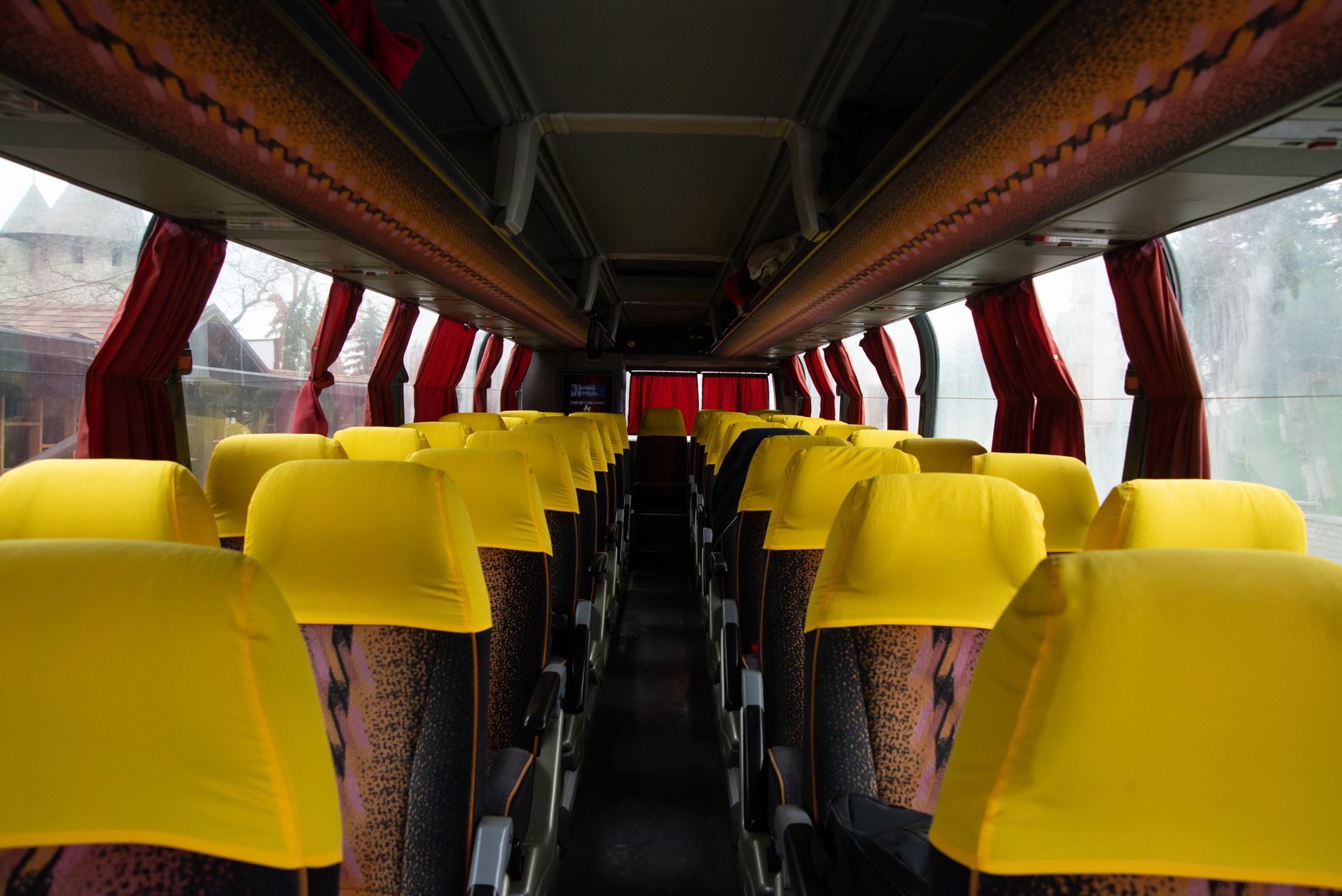
Modern buses on this network are built around a few core comforts that passengers consistently look for on longer rides. Spacious legroom, free Wi-Fi, and power outlets are standard across the fleet, according to the brand’s own description of its vehicles. These features turn a bus ride into something closer to a mobile workspace or rest stop, rather than just transportation from one point to another.
Comfort on these routes is not an afterthought bolted onto a basic seat. The buses are described as designed with these amenities built in, aiming to keep riders connected and comfortable for the length of a trip. That consistency across the fleet is part of why this intercity bus travel option markets itself as a modern alternative to older norms.
How FlixBus Routes Connect Major US Cities
Route planning across the network links major cities like New York, Chicago, and Los Angeles with secondary markets and rural stops alike. This structure allows a traveler departing from a smaller town to connect into a larger hub and continue onward. The result is a web of affordable bus routes US travelers can use to reach places that other transportation options might skip entirely.
Because the network includes both well-known metro areas and lesser-traveled towns, trip planning can involve a mix of direct and connecting routes. A rider heading from Ann Arbor, MI to a nearby interstate hub, for example, has multiple onward connections built into the same system. That flexibility is a defining trait of how the coverage area is structured.
Booking and Managing a FlixBus Ticket Through the App
The FlixBus app handles the entire booking process, from searching routes to issuing a digital ticket. Passengers can book trips, view tickets, and track a journey in real time, all from the same interface. Live tracking in particular gives a clear sense of where a bus is before boarding, reducing uncertainty around arrival times.
Ticket management stays digital throughout the trip, meaning there is no need to print anything or carry a separate confirmation. The app consolidates booking, ticket storage, and trip tracking into one place, which simplifies the experience for anyone managing multiple legs of a journey. Below is a summary of the conveniences built into this digital system alongside the physical comforts on board.
- Free Wi-Fi is available on board, allowing passengers to stay connected throughout a trip.
- Power outlets are built into the seating, supporting devices on longer rides.
- Seats are designed with spacious legroom compared to standard bus seating.
- Digital tickets are issued and stored directly through the app, removing the need for printed confirmations.
- Live tracking lets passengers monitor a bus’s location before and during a journey.
Why Collective Bus Travel Reduces Road Congestion

Choosing a shared bus over an individual car is framed by the brand as a way to avoid adding another vehicle to the road. This idea of collective travel is a simple one: more passengers per vehicle generally means fewer cars needed for the same number of trips. It is a category-level point rather than one specific to any single route or schedule.
This logic applies broadly across intercity travel, not just on a handful of busy corridors. As more people opt for shared transportation instead of individual driving, the cumulative effect on traffic volume tends to be more noticeable on heavily traveled highways. That broader shift is part of why collective travel is often discussed alongside affordable bus routes US coverage.
Planning Multi-Destination Trips with FlixBus
With thousands of destinations in its network, planning a trip that includes multiple stops becomes more straightforward. A traveler might combine a direct route between two major cities with a shorter connecting leg into a smaller town nearby. The scale of the network, covering more than 40 countries, means multi-city planning is not limited to domestic combinations alone.
A travel map tool from FlixBus allows travelers to explore destinations before committing to a route. This visual approach to planning helps when deciding between several possible stopovers or connection points. For longer journeys involving several cities, that kind of upfront visibility can shape how a trip gets structured from the outset.
Across schedules, routes, and on-board features, the network reflects a broader shift toward shared, connected travel.