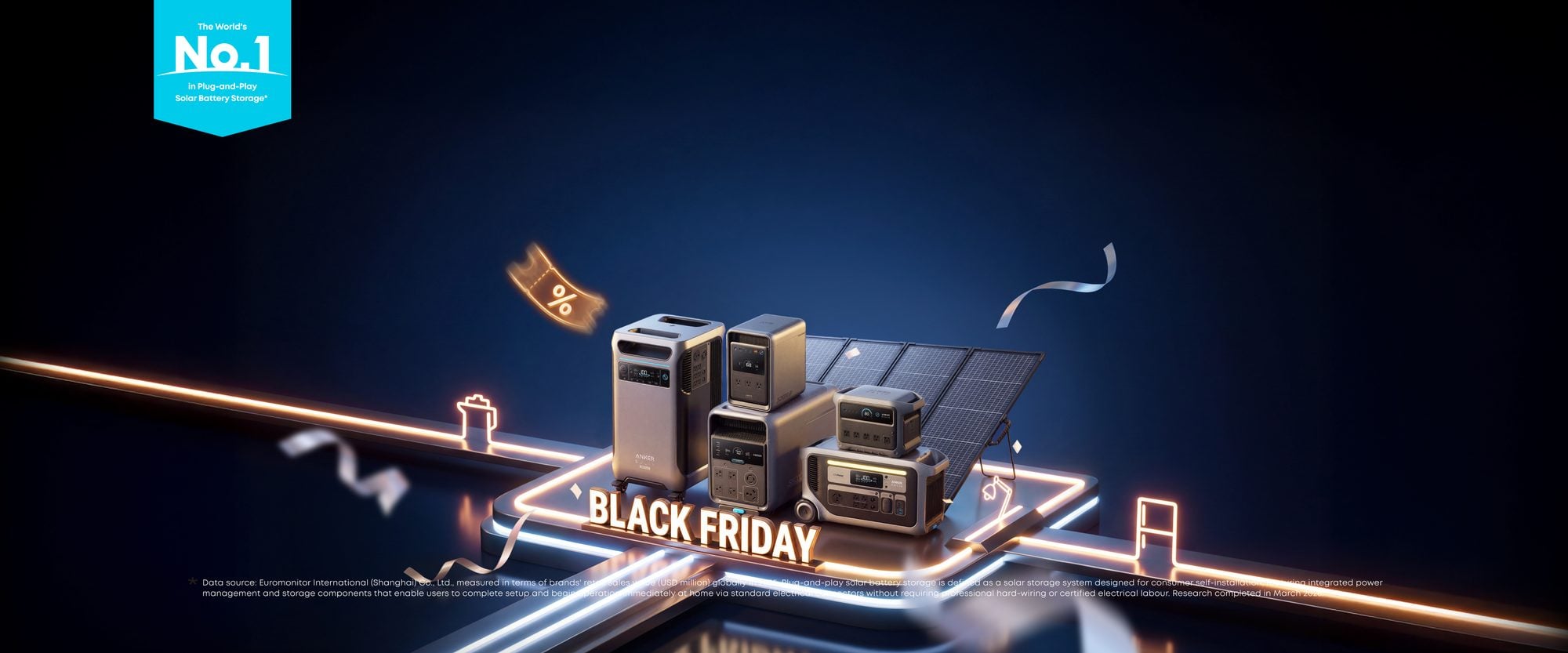
Extended camping trips rely on more than a single power bank tucked in a backpack. Portable power stations camping setups now stretch from lighting a tent to running a cooler for days without a wall outlet. Anker SOLIX builds a range of these stations for outdoor use, spanning compact weekend units and larger systems meant for RVs and basecamps.
How Off-Grid Power Changes Longer Camping Trips
A portable power station is a battery pack with multiple outlets, built to keep gear running away from fixed power. For camping, that means devices stay charged, food stays cold, and lights stay on without a generator running through the night. As trips stretch beyond a weekend, this kind of off-grid backup becomes a planning requirement rather than a nice extra.
Portable power stations camping gear has grown alongside that shift, with options that scale by output and capacity. Anker SOLIX organizes its outdoor lineup around this same idea, offering several distinct models instead of one catch-all unit.
The Anker SOLIX S2000: Lightweight Power for Multi-Day Trips
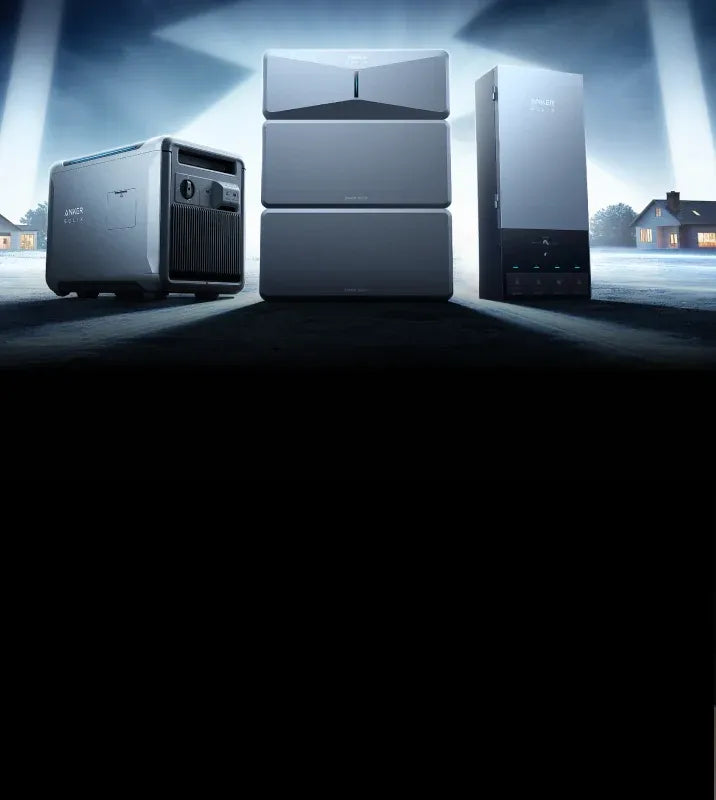
The S2000 is described by the brand as its longest-lasting 2kWh portable power station. It is rated for up to 35 hours of fridge backup, a figure that matters for anyone keeping food cold across a multi-day stay. That runtime gives a concrete sense of how long smaller camping appliances can run between recharges.
Sitting in the 2kWh class, this station suits campers who need real capacity without hauling a full home-backup unit. It bridges smaller daypack-sized banks and heavier site-wide systems, which is exactly where many portable power stations camping needs actually fall.
The Anker SOLIX F3000: Essential Backup for Outdoor Essentials
The F3000 is marketed as an essential backup option, built to keep lights and gadgets running through extended outages. In a campsite context, that same role covers lanterns, phones, and small cooking electronics through a multi-night stay. It sits above the S2000 in scale, aimed at situations where more devices draw power at once.
For groups camping together, or longer stays where appliance use adds up, this model offers headroom smaller units cannot match. It sits alongside other named products in the outdoor-oriented range, including the C1000 and C300 series.
Anker SOLIX Flex Series: Wheeled Power for RV and Campsite Use
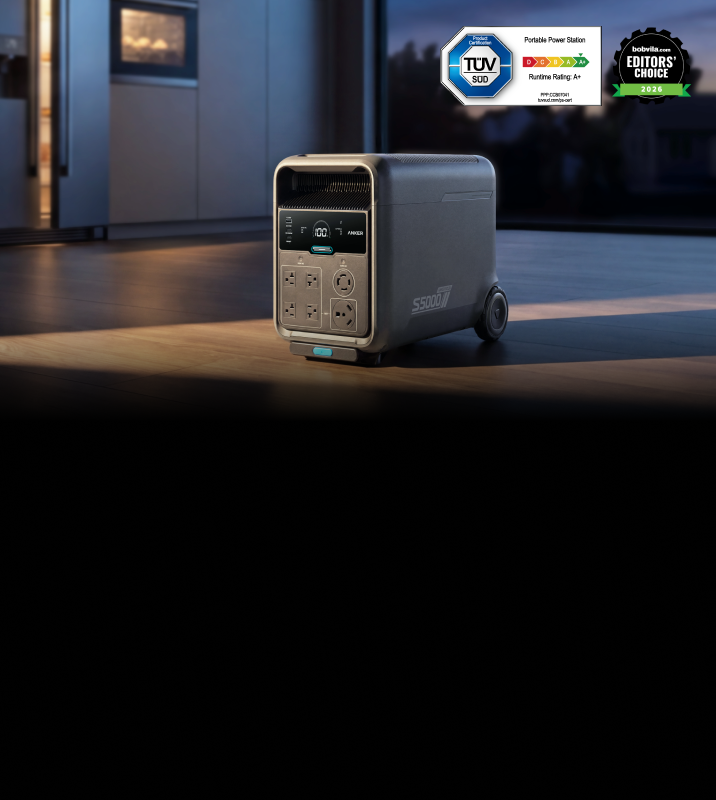
Within the wider outdoor collection, the brand also lists heavier models such as the F3800 and F3800 Plus, grouped into a higher-output, higher-capacity category. These are positioned for scenarios labeled as home power system and power backup use, which overlaps with RV trips and fixed campsite stays. Larger frames and wheeled handling, visible across the product photography, make them easier to move between a vehicle and a site.
This class of unit suits travelers who treat a vehicle or cabin as a base rather than carrying gear on foot. The tradeoff for the added output is size, so these models work best where portability across a short distance, not long carrying, is the priority.
Solar Charging Options to Extend Runtime in Remote Locations
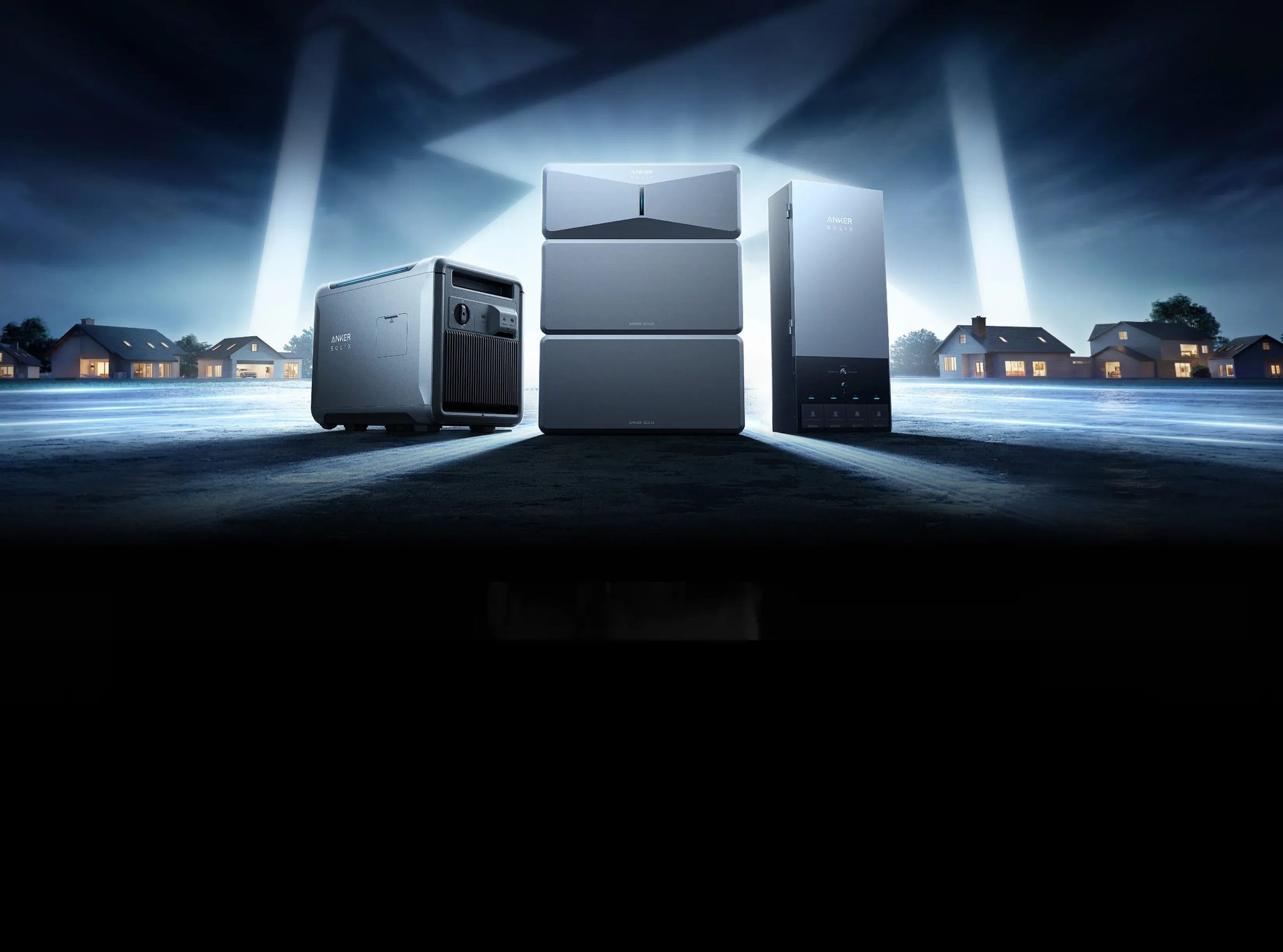
Several camping-oriented stations from Anker SOLIX support solar input alongside AC and car-socket charging. The C300 and C300 DC list four recharging modes, including a 100W solar panel option that reaches 80% charge in 2.5 hours. The C1000 goes further, supporting up to 600W of solar input and reaching full charge from solar in 1.8 hours.
That solar capability matters most in remote locations where wall outlets are simply unavailable. Multi-day backcountry trips, extended RV stays, and off-grid cabins all benefit from a station that tops up during the day and discharges overnight. Having several recharge paths, AC, solar, and car socket, also adds flexibility when campsite layout limits charging options.
Matching Station Capacity to Outdoor Power Needs
The outdoor collection is organized by output and capacity bands, grouping units under 1000W, between 1000W and 2000W, and over 3000W, alongside capacity bands under 1kWh, between 1kWh and 2kWh, and over 3kWh. This structure allows a comparison between, for example, the compact C300 DC and the larger C1000 or F3000, based on how much power a trip actually requires. Shorter trips with fewer devices generally call for less capacity, while longer stays with refrigeration or cooking equipment push toward the higher bands.
Because device counts and trip length vary so widely, matching a station to real outdoor power needs is as much about planning as it is about specifications. Filtering by scenario, labeled Power Outdoors among others, reflects that same logic of pairing use case to unit.
- Electric coolers and portable refrigeration units can draw power for extended cold storage during multi-day trips.
- LED lanterns and camp lighting setups run on lower wattage, making them easy additions alongside other devices.
- Induction cooktops and small camp kitchen appliances can run where open flame is restricted or impractical.
- Phones, tablets, and laptops charge through the USB-C and USB-A ports found across the lineup.
- CPAP machines and other small medical devices are commonly cited uses for stations in this capacity range.
- Cameras, drones, and portable speakers round out the personal electronics that typically share capacity with larger appliances.
Taken together, the range reflects a deliberate spread across capacity and output, not a single catch-all unit. Each model is built around a specific scenario, whether that is a short weekend hike or a week parked at a campsite. For anyone assembling a kit around what portable power stations camping trips demand, Anker SOLIX offers that spread of options as the main point of comparison.
Closing Thought
Trip length and device load will keep shifting, and a scalable lineup leaves room for that change.