Portable power stations have moved from niche camping gear into mainstream home backup equipment, and Anker SOLIX has built a range that spans both uses. The lineup includes compact mobile units as well as larger capacity stations meant to support a kitchen or several rooms during an outage. This piece breaks down how the S2000, the S5000, and the C2000 Gen 2 differ in capacity, runtime, and intended application, and where separate whole-home systems fit alongside them.
Mobile Backup and Home Energy Needs in One Catalog
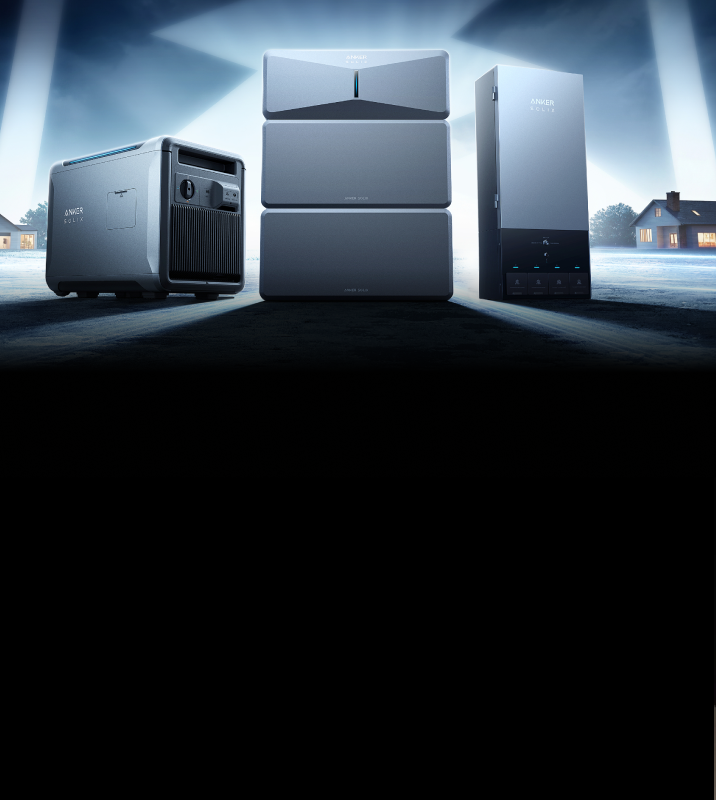
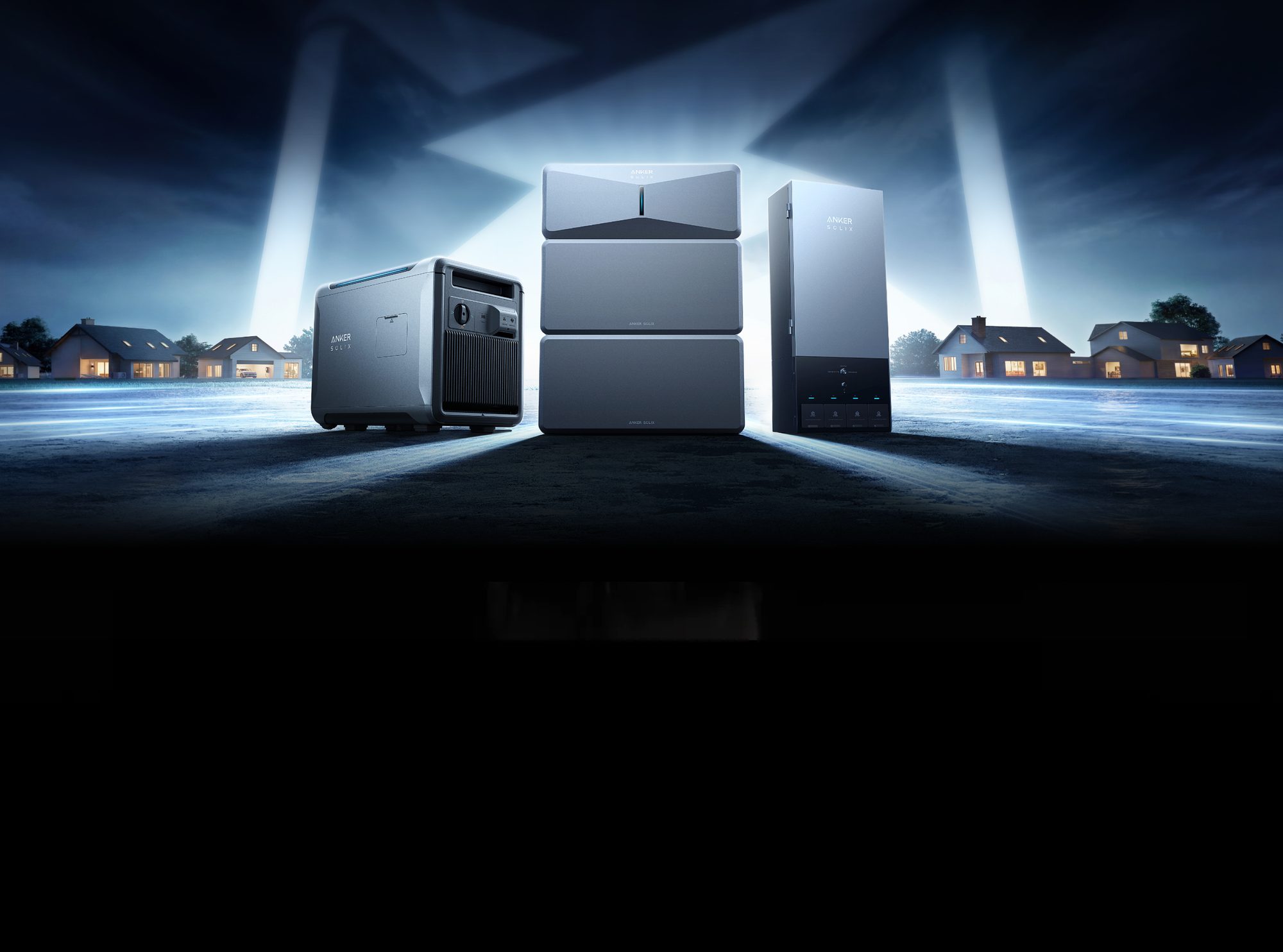
Anker SOLIX positions its portable power stations as flexible backup tools rather than a single fixed product. The catalog spans compact mobile units, mid-capacity stations such as the S2000 and S5000, and separate whole-home systems like the E10, F3000, and F3800 Plus, which differ from the portable lineup in scope rather than size alone. Each model targets a different balance of weight, capacity, and output, which lets the stations serve outdoor trips, emergency preparedness, or planned home backup.
According to the brand’s own figures, products are sold in 146 countries, with over 200 million units sold worldwide across its broader product families, and the company describes itself as a pioneer in charging technology for 10 years. That scale sits behind a catalog built around a few clearly named stations rather than an unlimited number of variants. For context, the breadth of the lineup is part of why comparisons between models matter before settling on one.
The S2000: 2kWh Capacity and Extended Runtime for Lightweight Backup
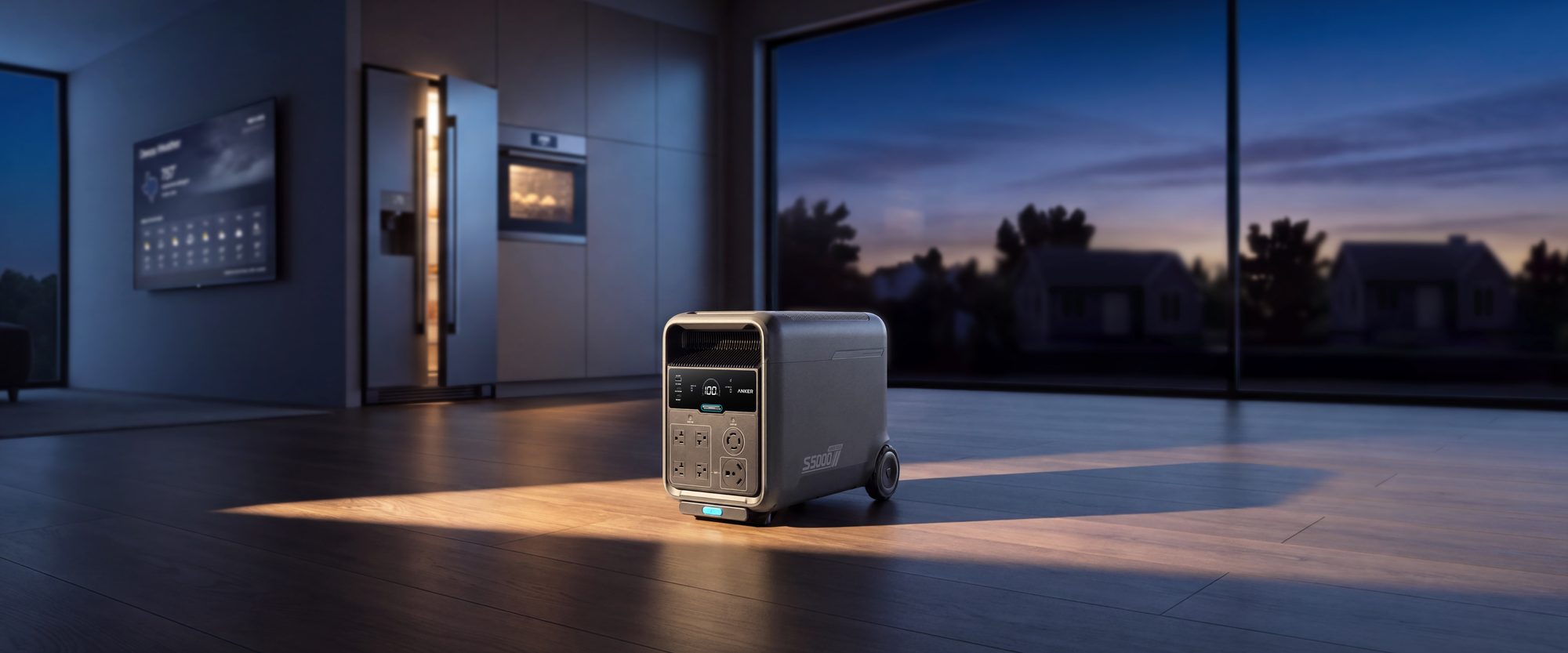
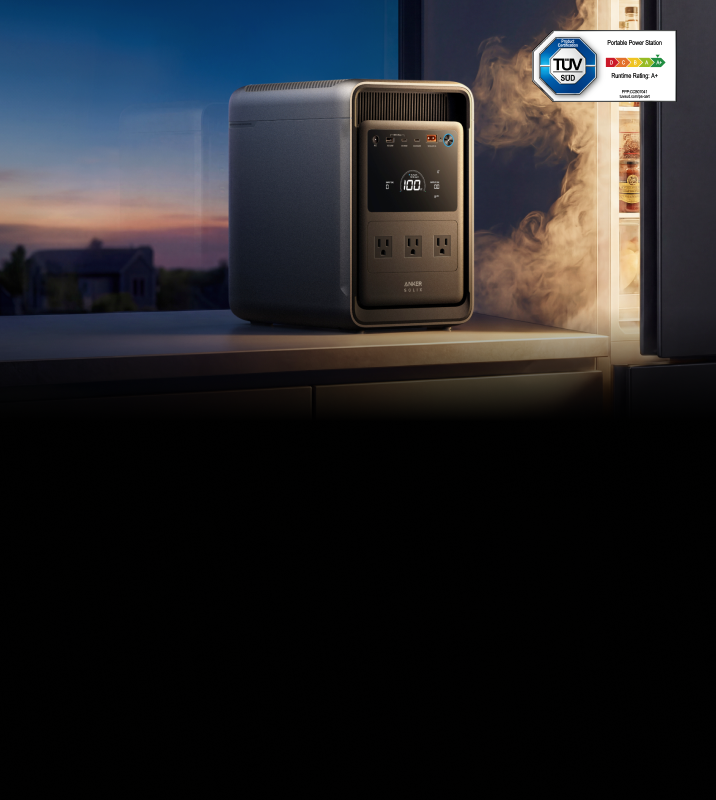
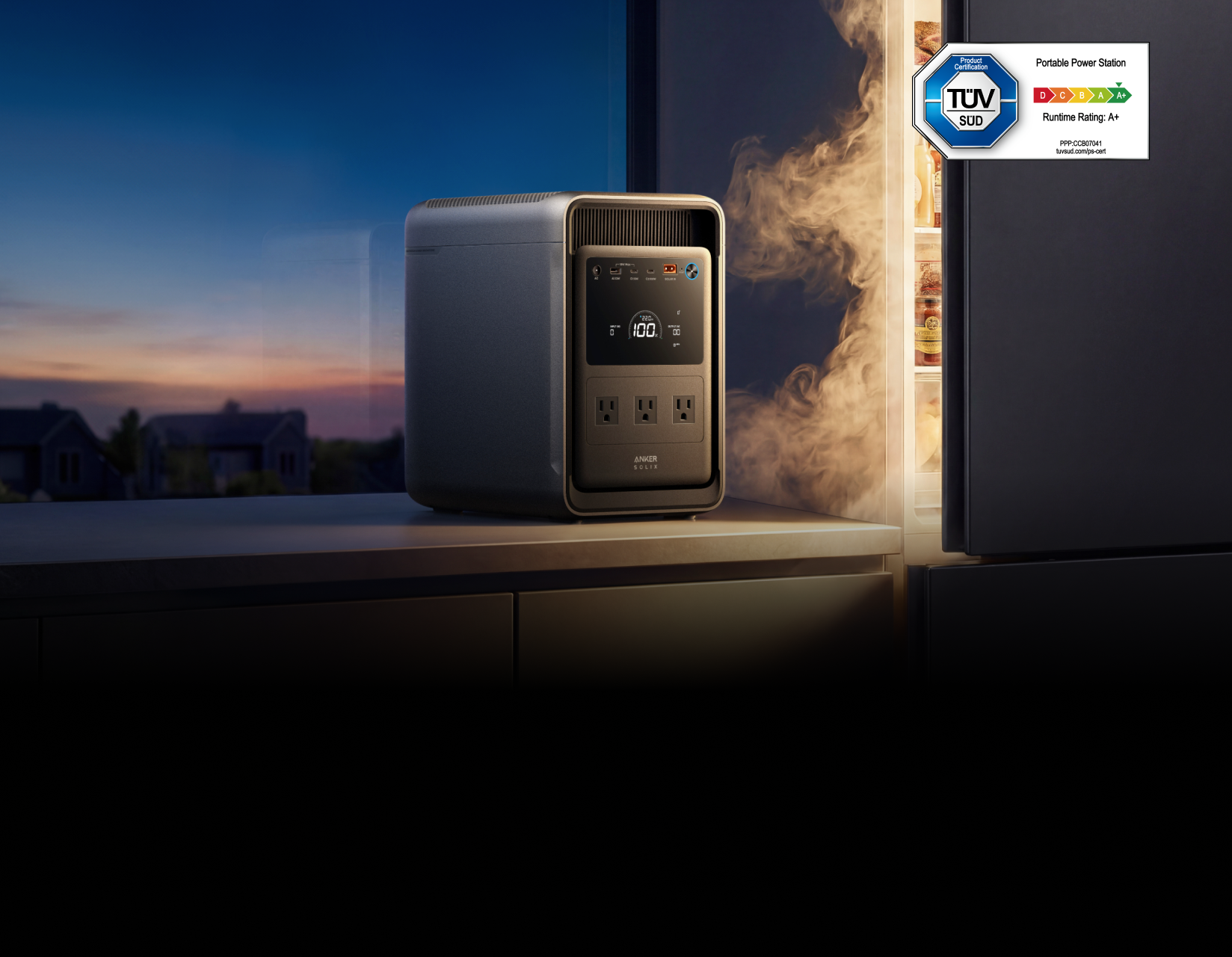
Anker SOLIX markets both the S2000 and the S5000 as the longest-lasting stations within their respective 2kWh and 5kWh classes. The S2000 is built around a 2kWh capacity and is rated for up to 35 hours of fridge backup, which positions it for shorter outages or lighter household loads. Marketing materials also reference up to 24 hours of home backup for the S2000 in broader use.
Because of its smaller footprint compared to the 5kWh models, the S2000 fits scenarios where portability matters as much as runtime. It suits situations where a single large appliance, like a refrigerator, needs continuous power rather than an entire home circuit. This makes it a distinct option among the portable power stations further up the range.
The S5000: 5kWh Capacity and Long-Duration Home Support
The S5000 carries more than double the capacity of the S2000, which targets longer outages or households running multiple appliances at once. It is presented as a newer addition to the lineup, built specifically for extended-duration scenarios rather than lightweight portability. Anker SOLIX lists the S5000 as currently available within its home solutions grouping, alongside the outdoor-focused side of the catalog.
Where the S2000 emphasizes a smaller, more mobile form factor, the S5000 leans into sustained capacity. That difference in scale is the clearest way to separate the two stations when matching a unit to expected outage length or appliance load. The S5000 reads as a step up for households wanting more cushion during longer disruptions.
Mobile Power Solutions: C2000 Gen 2 and Fast-Charging Features
Beyond the S-series, the brand’s catalog references mobile power solutions such as the C2000 Gen 2, aimed at charging and portability rather than whole-home backup. These units are built for carrying between locations, supporting devices and smaller appliances on the move. Anker SOLIX frames them as the lighter end of the portable power stations range, distinct from the heavier S5000 or the whole-home F-series and E-series systems.
Fast charging is a recurring theme across the portable lineup, though specific charging speeds vary by model. For larger units like the F3800, solar input is listed at up to 2,400W through dual 60V inputs, allowing a full recharge in under two hours under optimal sunlight. That same emphasis on faster charging carries through the messaging across mobile and portable product lines.
LFP Battery Technology and Cycle Life Across SOLIX Models
Several Anker SOLIX units, including the F3800 home backup kits and the whole-home systems such as the E10, F3000, and F3800 Plus, use EV-grade LFP batteries. The brand states these batteries carry a lifespan of 10+ years alongside a 5-year warranty on the F3800 kit specifically. This LFP-based approach is used across multiple product families rather than being isolated to a single model.
LFP chemistry is widely associated with longer cycle life in the broader power-station category, which is part of why manufacturers build larger systems around it. The lifespan and warranty figures above are tied to the F3800 kit as stated in the brand’s own materials, not necessarily identical across every portable unit. Comparing models means treating each station’s battery specification as model-specific rather than assuming uniformity across the whole range.
- The S2000 offers a 2kWh capacity with up to 35 hours of fridge backup and up to 24 hours of general home backup.
- The S5000 offers a 5kWh capacity, positioned as a longer-duration option within the portable range.
- The C2000 Gen 2 represents the brand’s mobile power solutions, built for portability and device charging rather than whole-home support.
- F3800-based home backup kits use EV-grade LFP batteries rated for 10+ years of lifespan with a 5-year warranty.
- Solar input on the F3800 reaches up to 2,400W through dual 60V channels, enabling a full recharge in under two hours in optimal sunlight.
Whole-Home vs. Portable: When to Choose Each Tier
Anker SOLIX also builds systems explicitly for whole-home backup rather than portability. The E10 is described as a smart hybrid whole-home backup system that monitors severe weather and auto-charges via solar and grid power. The F3000 is positioned as essential home backup for lights and gadgets, while the F3800 Plus is marketed around 240V plug-and-play power for larger loads such as home air conditioning and refrigeration.
Portable power stations are designed to be moved, carried, or set up on demand, serving specific appliances or outdoor needs. Whole-home systems, by contrast, are installed to support broader household circuits during an outage, which is a different use case even when drawing from similar battery technology. That distinction in scope, rather than capacity alone, is what separates the two groups of products.
Choosing between the two depends largely on what needs power and for how long. A single refrigerator or a camping setup points toward a portable unit like the S2000, while sustained multi-appliance coverage points toward the larger S5000 or a dedicated whole-home system. The range is built so both needs are addressed under one catalog, rather than requiring a switch to a different manufacturer for each scenario.
As outage preparedness becomes a more common household consideration, models that scale from lightweight mobile units to larger capacity stations offer a clearer way to match equipment with actual demand.